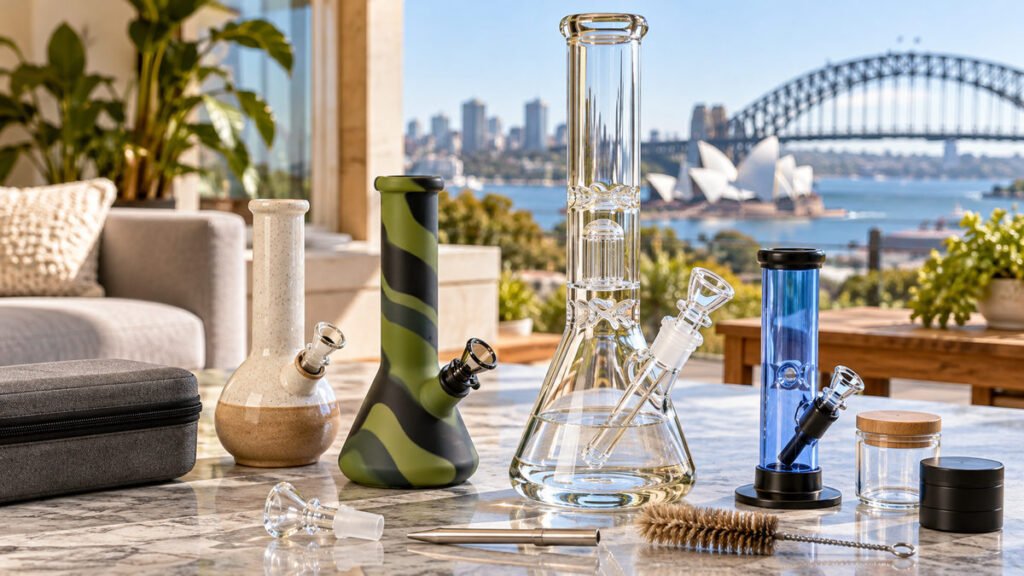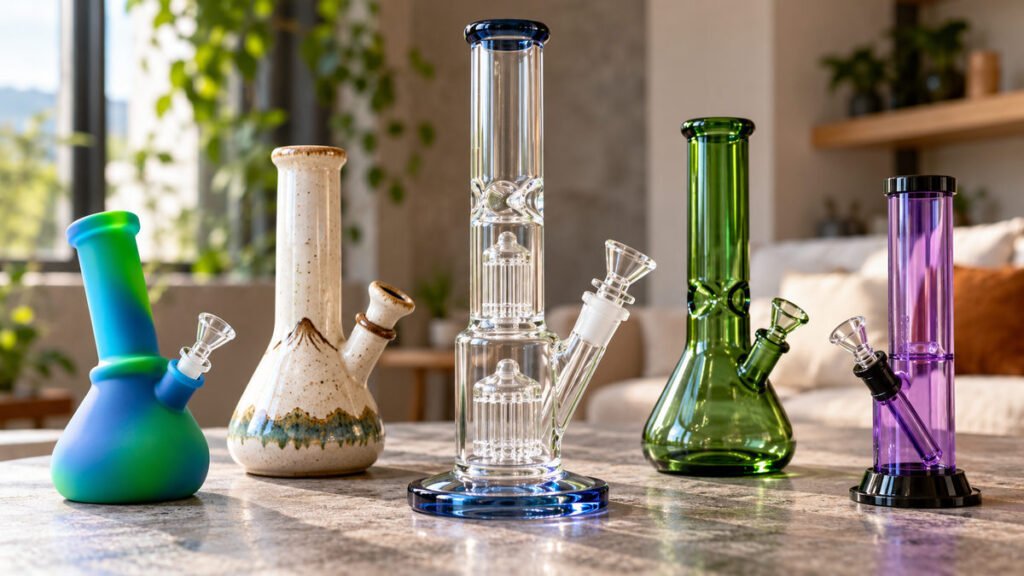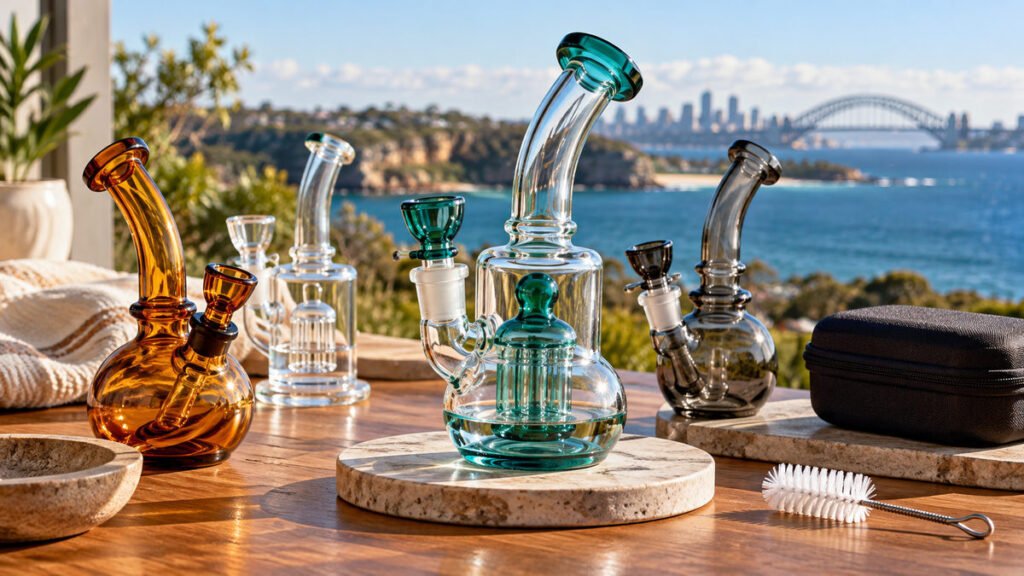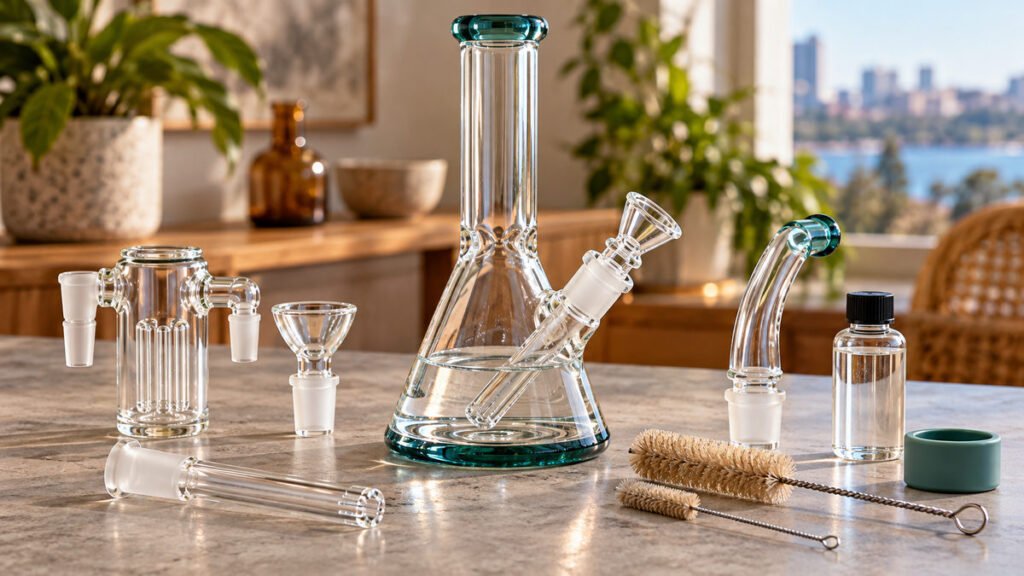
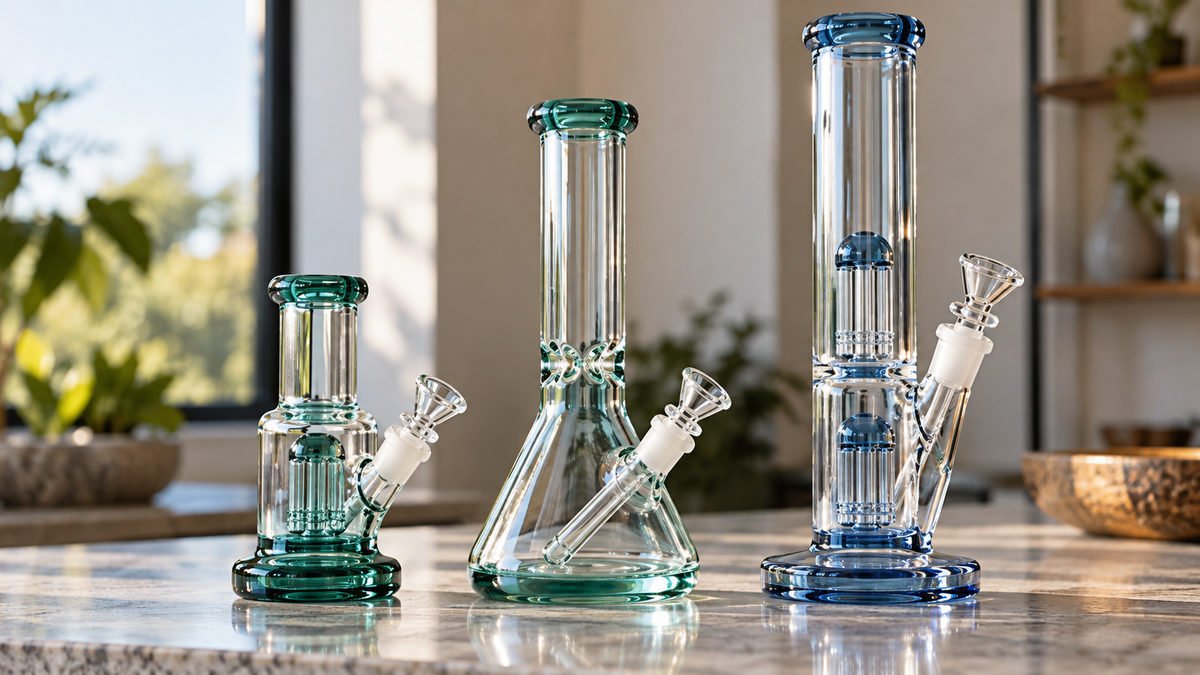
A thicker bong can offer greater stability, better heat resistance, and a longer service life. However, the extra weight and price may not suit every setup. Many shoppers struggle to compare glass thickness, bong shapes, filtration features, quality, and value.
Therefore, this guide explains how thick glass bongs perform in daily use. You will compare popular designs, thicknesses, features, care requirements, and realistic buying considerations. Always purchase responsibly, and only where Australian law permits.
What Are Thick Glass Bongs and Why Are They More Durable?
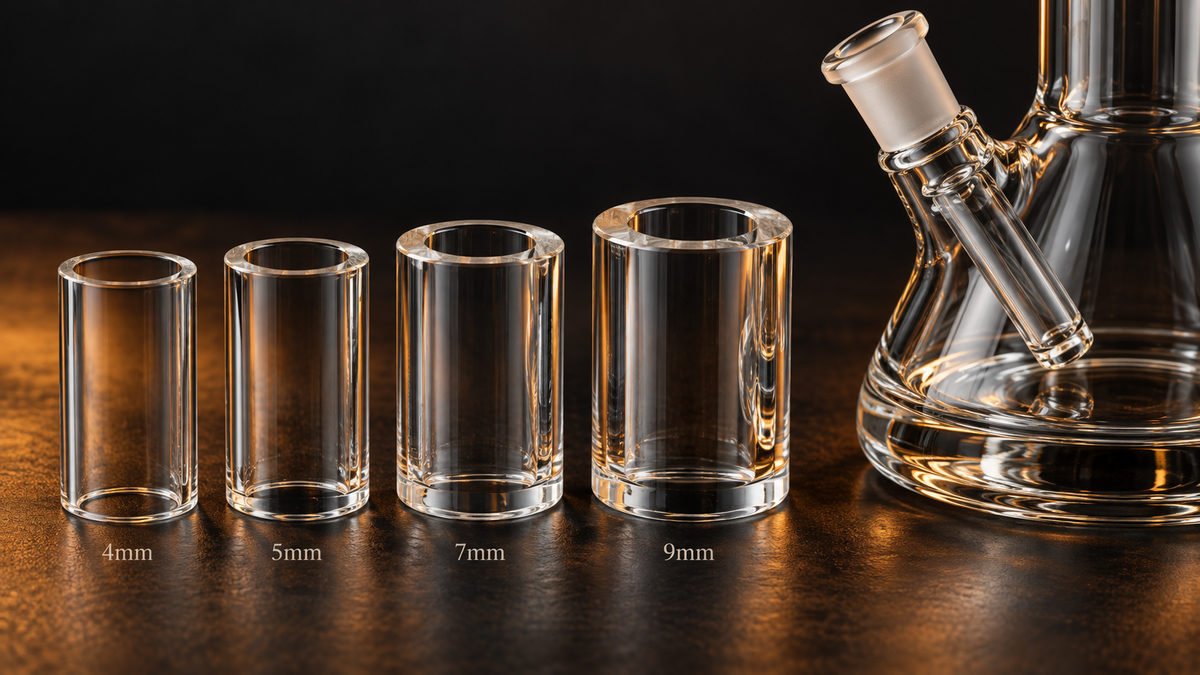
A thick glass bong is a water pipe with substantially thicker walls, joints, bases, or reinforced components. Manufacturers commonly use thicker borosilicate glass to improve structural strength. As a result, these pieces often feel more stable than lightweight alternatives.
Glass thickness can improve impact resistance, heat distribution, and overall stability. For example, a thicker base may resist tipping when you place the bong on a flat surface. Additionally, thicker walls can provide greater confidence during regular handling and cleaning.
Common thickness options include 4mm, 5mm, 7mm, and 9mm. A 4mm bong usually balances strength with manageable weight. Meanwhile, 5mm construction often suits everyday use without becoming excessively heavy.
Furthermore, 7mm glass provides a more heavy-duty feel for buyers prioritising durability. A 9mm bong delivers maximum heft and stability, although it can become difficult to move or store. Thickness alone does not determine overall quality.
Borosilicate glass remains popular because it handles temperature changes better than ordinary glass. You can learn more about this material through this overview of borosilicate glass.
However, thick glass does not create an unbreakable bong. Drops, sharp impacts, thermal shock, and weak joints can still cause serious damage. A poorly made thick bong may perform worse than a carefully designed 4mm or 5mm model.
- Stable bases: Wider and heavier bases reduce accidental tipping.
- Shock resistance: Thicker walls may handle minor knocks more effectively.
- Heat resistance: Quality borosilicate glass manages temperature changes more reliably.
- Longer service life: Careful ownership can help a well-made piece last longer.
On the other hand, thicker glass adds weight, shipping cost, and storage requirements. It can also reduce portability and increase the purchase price. Therefore, choose thickness according to your space, handling habits, and expected frequency of use.
Thick Glass Bongs vs. Thin Glass, Silicone, and Other Alternatives
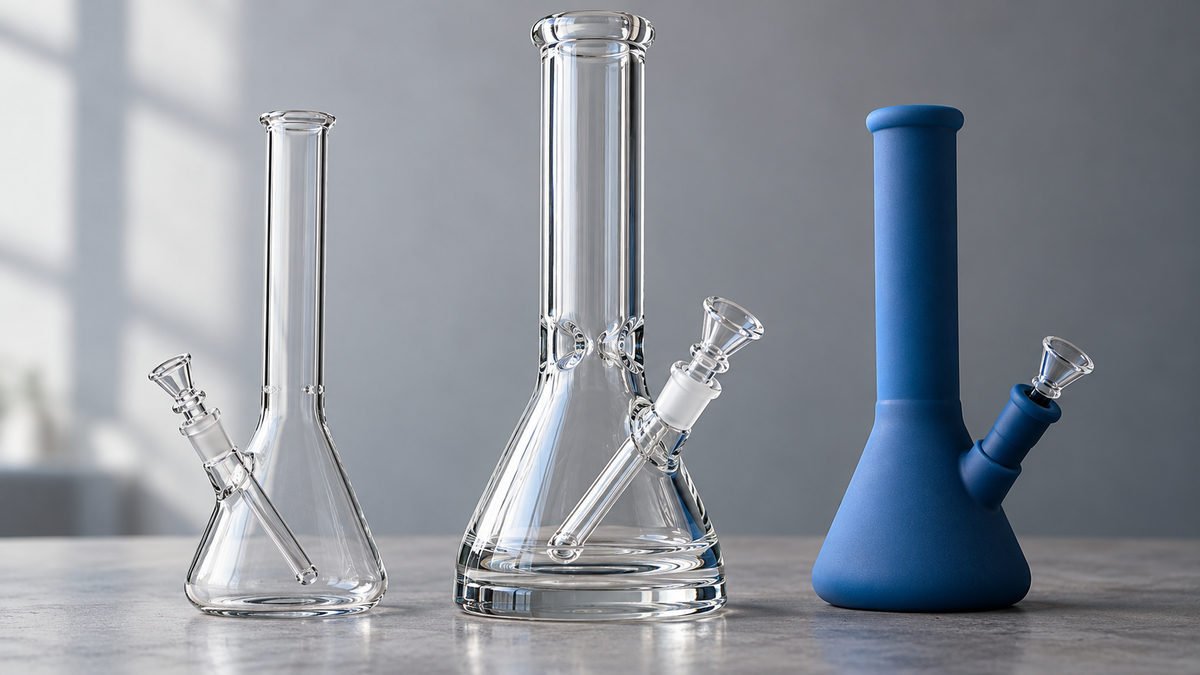
Thick glass bongs generally offer more stability and impact resistance than thin glass models. They also tend to provide a more substantial appearance and greater design flexibility. However, thin glass can suit occasional users who need lower weight or a smaller upfront cost. Read our full comparison of glass vs silicone bongs.
| Material or style | Main strengths | Common limitations |
|---|---|---|
| Thick glass | Stable, attractive, durable, easy to deep clean | Heavier, less portable, usually more expensive |
| Thin glass | Lightweight, affordable, easy to store | More vulnerable to drops and sharp impacts |
| Silicone | Flexible, travel-friendly, resistant to many knocks | Less rigid, less visually refined, may retain odours |
Silicone bongs can work well for travel or environments where breakage presents a higher risk. In contrast, glass usually delivers clearer flavour, firmer structure, and a more polished appearance. Moreover, glass often supports more complex percolators and replaceable components.
Cleaning also affects long-term value. Silicone can flex during storage, but residue may cling to textured areas. Thick glass offers a rigid, smooth interior that makes deep cleaning more straightforward with suitable cleaning solutions.
A durable glass bong may deliver better value despite its higher upfront price. Compare its expected lifespan, replacement risk, cleaning effort, included accessories, craftsmanship, and access to replacement parts. A cheaper bong may cost more if you replace it frequently.
Thickness itself does not create smoother hits. Instead, smoother airflow usually comes from water volume, diffusion, percolation, and a well-designed pathway. Thick construction can support larger chambers, ice catchers, percolators, and stable airflow, but the design matters more.
- Prioritise durability: Choose 5mm to 7mm borosilicate glass with a stable base.
- Prioritise portability: Consider a small bong, compact bubbler, or silicone design.
- Prioritise low cost: Compare simple 4mm glass models with replaceable parts.
- Prioritise flavour: Choose clean glass with a simple, efficient pathway.
- Prioritise filtration: Look for a suitable percolator without excessive complexity.
Choosing the Best Thick Glass Bong Shape and Size
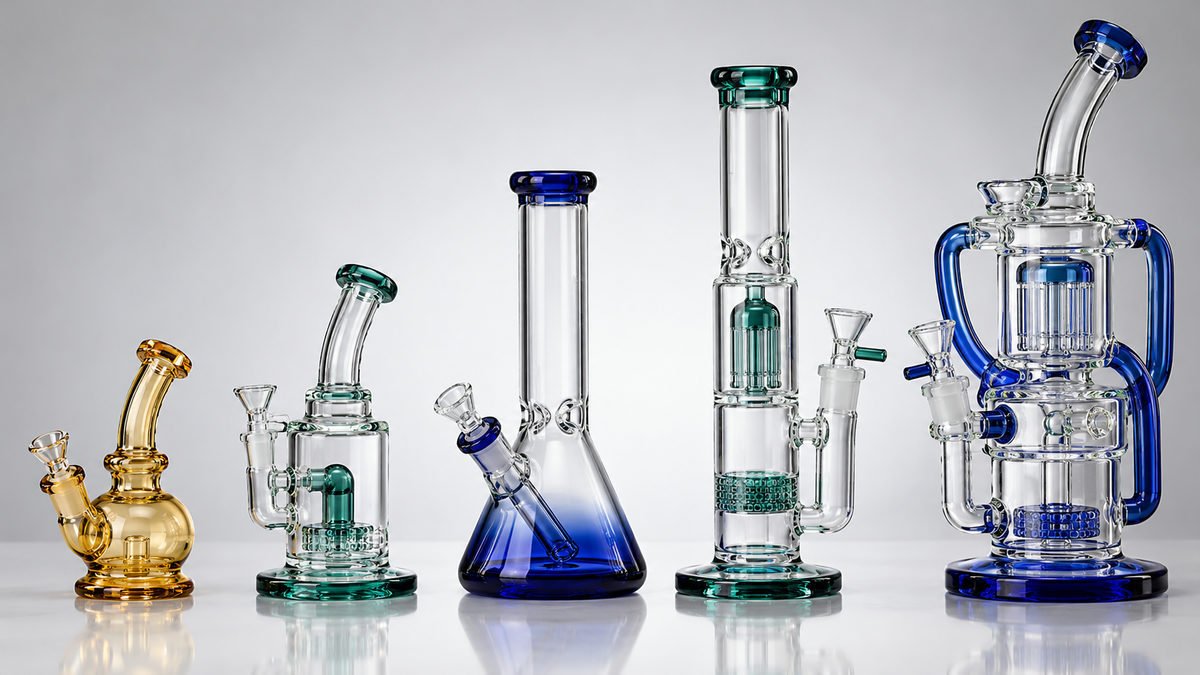
Shape affects stability, water capacity, airflow, cleaning, and storage. Therefore, the best thick glass bong depends on how and where you plan to use it. Consider the complete setup rather than choosing by height alone. Compare shapes in beaker vs straight tube bong.
Beaker Glass Bongs
Beaker glass bongs feature a broad base that supports excellent stability. Their larger lower chamber can hold more water and suit versatile daily setups. Additionally, many beaker designs include ice catchers, removable downstems, or compatible percolators.
The wider base can reduce tipping, especially on a desk or shelf. However, beaker bongs may need more storage space than narrow designs. They also require more water and can become heavy when filled.
Straight Tube Bongs
Straight tube bongs use a simple, direct pathway from the bowl to the mouthpiece. This design can produce clear airflow and makes cleaning relatively simple. Furthermore, the compact footprint suits narrow shelves and smaller rooms.
However, tall straight tubes may feel less stable than beaker designs. Their narrow bases can make them easier to knock over. Choose a straight tube when footprint and simple maintenance matter more than maximum stability.
Small, Large, and Advanced Designs
Small thick glass bongs and compact bubblers suit limited spaces, shorter sessions, and easier storage. They also weigh less than large pieces, although their smaller chambers may provide less water filtration. Meanwhile, large glass bongs can offer bigger chambers and more filtration potential.
Large designs require more water, storage space, and cleaning time. They also become harder to move safely. Therefore, medium-sized models often provide the most balanced daily setup for many adults.
Recycler glass bongs circulate water through connected pathways repeatedly. This design can support advanced filtration and a distinctive airflow experience. However, extra chambers create more areas where residue can collect.
Multi-chamber designs also demand more careful cleaning and maintenance. As a result, they suit experienced owners who accept additional upkeep. Buyers wanting simple ownership may prefer a beaker or straight tube.
- Small: Choose this size for portability, limited storage, and shorter sessions.
- Medium: Choose this size for balanced capacity, stability, and everyday care.
- Large: Choose this size for greater water capacity and advanced filtration.
So, is a beaker or straight tube bong better? A beaker usually wins for stability and water capacity. A straight tube may suit buyers who prefer a smaller footprint, direct airflow, and simpler cleaning.
Always purchase only where legal, follow local laws, and consider age-related requirements. Responsible ownership also means storing the piece securely and keeping it away from children and pets.
Features to Look for in a High-Quality Thick Glass Bong
A thick base, reinforced joints, smooth welds, and even wall thickness can indicate better craftsmanship. The bong should sit flat without wobbling. Additionally, the mouthpiece should feel comfortable and show no sharp or uneven edges. Learn how to inspect glass bong quality in person.
Inspect every connection before purchasing. A well-fitted bowl, secure downstem, clear airflow path, and accurately made joints support reliable ownership. Loose components can leak, rattle, or require early replacement.
Filtration Features
Ice catchers can hold ice above the water line, while diffused downstems divide airflow into smaller bubbles. Percolators can increase water contact, and splash guards may help limit unwanted water movement.
Recycler pathways circulate water through multiple sections. This can create advanced filtration, but complex designs require more cleaning. Therefore, choose filtration that matches your maintenance routine.
- Ice catchers: Useful when the design supports safe ice placement.
- Percolators: Add diffusion but may create extra cleaning points.
- Diffused downstems: Improve bubble distribution in simple designs.
- Splash guards: Help reduce water movement towards the mouthpiece.
- Recycler pathways: Offer repeated circulation with higher maintenance needs.
Joints and Replacement Parts
Check the joint size and configuration before buying. Common setups use female or male joints, and bowls or downstems may require matching parts. Furthermore, replacement availability can protect your investment when a removable component wears out.
Review the seller’s warranty, return policy, packaging standards, and reputation. Strong packaging matters because glass can suffer damage during delivery. A reliable seller should provide clear specifications without promising an “unbreakable” glass bong.
Use this buyer checklist when comparing shock-resistant bong claims:
- Confirm the stated glass thickness and material.
- Check whether the base and joints receive additional reinforcement.
- Look for realistic specifications instead of absolute breakage claims.
- Confirm bowl, downstem, and joint compatibility.
- Check replacement-part access and return conditions.
- Compare the expected service life against the purchase price.
A premium glass bong should combine durable materials, reliable craftsmanship, useful features, and fair value. The thickest option is not automatically the smartest purchase.
How Much Do High-Quality Thick Glass Bongs Cost?
Prices vary by market, size, brand, craftsmanship, filtration, and glass thickness. Therefore, buyers should compare categories rather than rely on one universal price. The most expensive model does not always provide the best return.
- Entry-level: Usually offers basic thick glass construction and simple airflow.
- Mid-range: Often adds better borosilicate quality, improved joints, and useful filtration.
- Premium: May include heavier walls, complex percolation, artistic work, and specialised construction.
Entry-level models can provide strong value for beginners who want basic durability. Mid-range pieces often balance construction quality, useful features, and manageable ownership costs. Premium models may suit collectors or experienced adults who value craftsmanship and advanced designs.
Larger glass bongs and 7mm or 9mm construction usually increase material and shipping costs. Recycler systems, complex percolators, and handmade details can raise the price further. However, these features only add value when they suit your preferences.
Compare glass thickness, construction quality, design efficiency, included components, warranty coverage, replacement access, and expected longevity. For example, a well-designed 5mm bong may offer better value than an awkward 9mm piece.
| Buyer priority | Practical choice |
|---|---|
| Best beginner value | Simple 4mm or 5mm borosilicate design |
| Best heavy-duty option | Stable 7mm construction with reinforced joints |
| Best compact option | Small thick glass bong or bubbler |
| Best filtration-focused option | Percolator or recycler with accessible cleaning points |
| Best premium option | Well-crafted design with strong parts support |
Before purchasing, browse verified thick glass bong collections and compare current specifications. Check availability, included parts, and seller policies before committing to a higher-priced model.
Cleaning, Storage, Safety, and Responsible Ownership
Regular cleaning helps maintain airflow and prevents residue from hardening inside the bong. Start with warm water and an appropriate cleaning solution. Then soak removable parts carefully before using soft brushes or suitable tools. Even thick glass breaks; learn how to store glass bongs safely.
Avoid sharp objects that can scratch or stress the glass. Rinse every component thoroughly after cleaning. Additionally, allow parts to dry fully before reassembling the bong.
A simple maintenance routine can reduce long-term cleaning effort:
- Empty and replace the water regularly.
- Rinse the chamber after use where practical.
- Clean the bowl and downstem before residue becomes difficult.
- Inspect joints for chips, cracks, or loose connections.
- Remove buildup before it affects airflow or creates odours.
Never expose a glass bong to sudden temperature changes. Boiling water can create thermal shock, even when the glass feels thick. Therefore, use warm water and allow the piece to adjust gradually.
Also avoid sharp impacts, unstable shelves, and over-tightening glass connections. A joint can crack when you apply excessive force. Instead, fit removable parts securely without forcing them.
Store the bong upright in a padded location away from edges and high-traffic areas. Keep it away from children, pets, direct knocks, and crowded shelves. A stable cabinet or dedicated storage case can reduce accidental damage.
Thick glass is more durable than thin glass, but it remains breakable. Drops, strikes, thermal shock, and poor transport can still cause cracks or complete breakage. Furthermore, thick glass remains less travel-friendly than flexible silicone.
For transport, empty all water and remove loose components first. Wrap each part separately with suitable padding. Never place a heavy bong loose inside a bag with hard objects.
Use any bong only as an adult, where legal, and according to local requirements. Maintain good ventilation and avoid unsafe handling around heat, children, pets, or crowded areas. Responsible ownership also means understanding applicable Australian laws before purchase or use.
Before buying, confirm your legal eligibility and intended setup. Then choose a suitable thickness, size, shape, and filtration level. Finally, inspect seller policies and select a model with dependable replacement-part support.
Conclusion
The best thick glass bong balances borosilicate construction, suitable wall thickness, a stable base, useful filtration, manageable size, and easy maintenance. Thicker glass can improve durability and stability, but it does not make a bong unbreakable or automatically smoother.
Compare thickness, shape, features, price, craftsmanship, cleaning demands, and replacement-part support. Then browse a reliable collection to find a durable model matching your preferences and legal, responsible-use needs.
For Australian shoppers comparing water pipes and glass accessories, Sweet Puff Australia provides a place to review available designs and compare options. Always check current product details, availability, and applicable purchase requirements before ordering.