
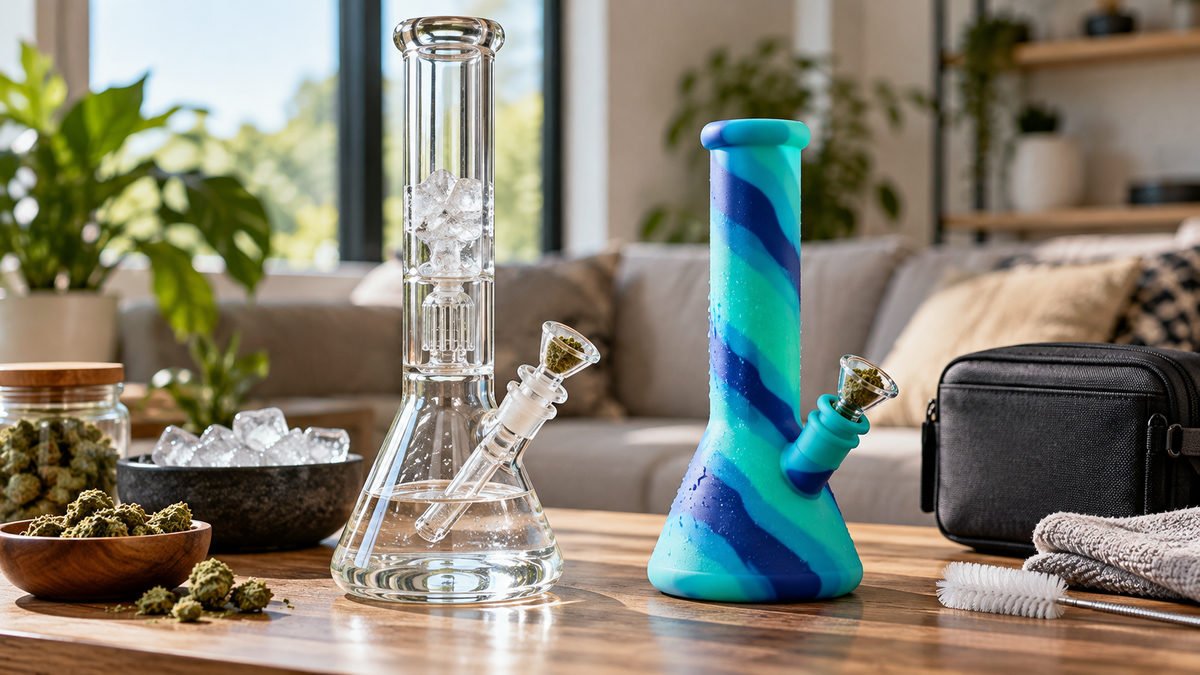
Choosing between fragile glass and nearly unbreakable silicone can change your entire bong experience. When comparing glass vs silicone bongs, most buyers weigh flavour, smoothness, durability, cleaning, price, and portability. The best material depends on where you use your bong and what matters most daily.
Glass usually suits home users who want pure flavour and refined filtration. Silicone works well for travel, outdoor use, and anyone worried about accidental drops. Therefore, this guide compares both materials feature by feature, so you can choose with confidence.
Glass vs Silicone Bongs: Quick Comparison
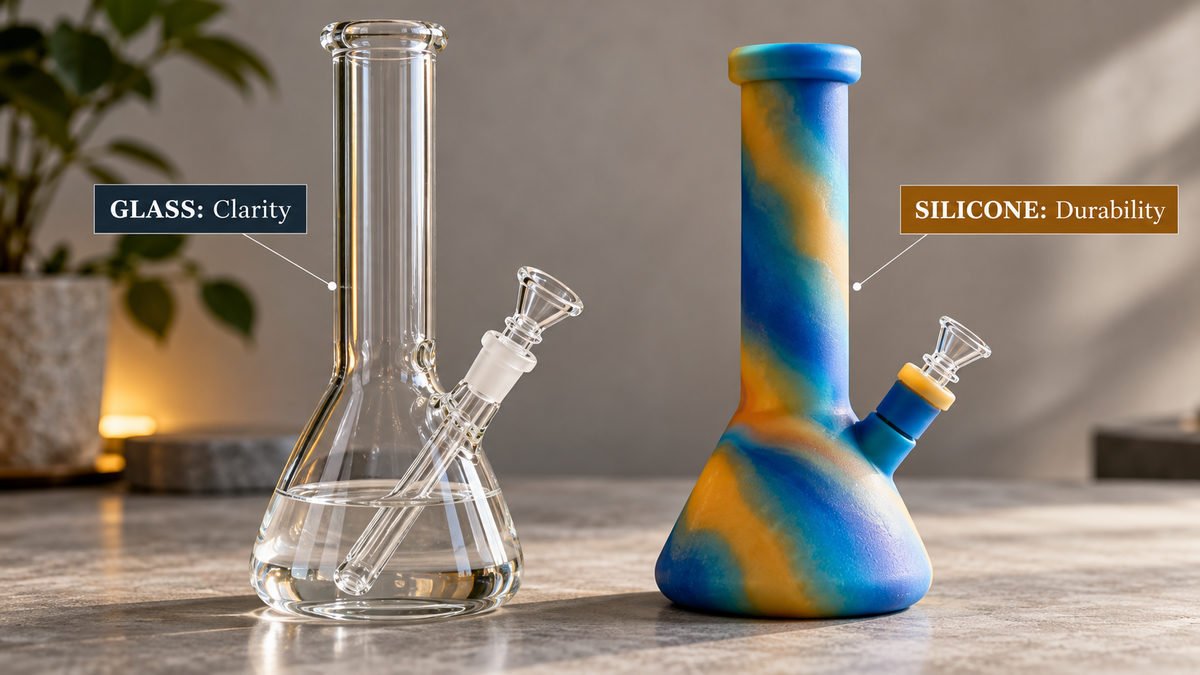
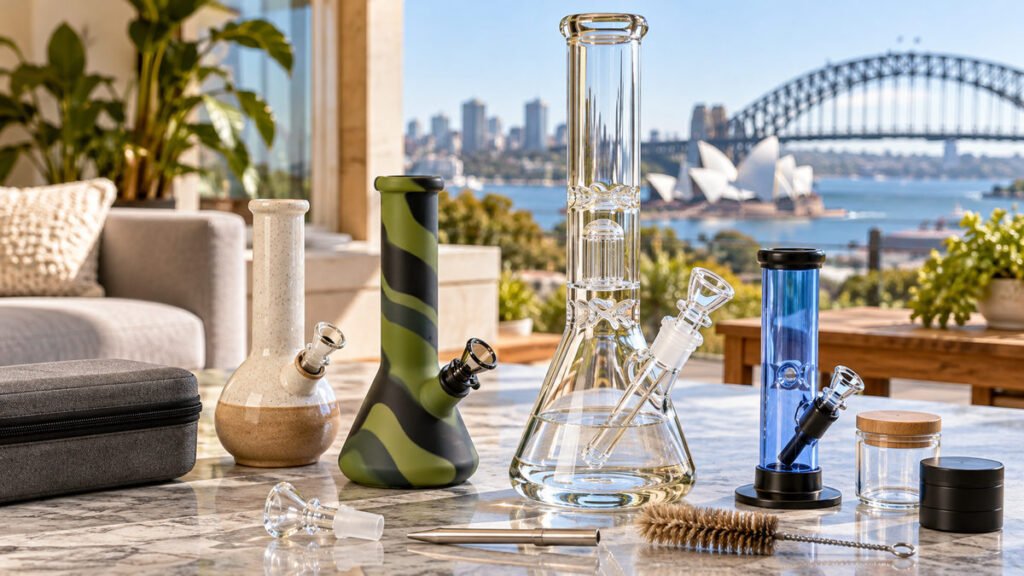
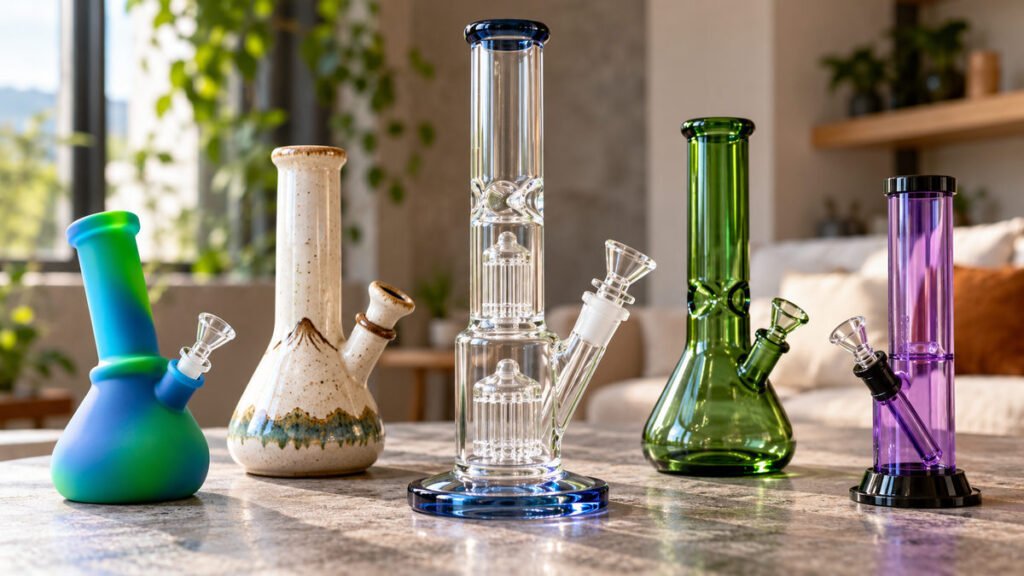
Glass and silicone bongs can both deliver satisfying water filtration. However, they offer very different ownership experiences. Glass focuses on flavour, visibility, and design, while silicone prioritises flexibility, impact resistance, and convenience. Considering acrylic too? Read glass vs acrylic bongs.
| Feature | Glass Bong | Silicone Bong |
|---|---|---|
| Flavour | Usually cleaner and more neutral | May retain flavours or odours |
| Hit smoothness | Excellent with good percolation | Comfortable with a well-designed chamber |
| Durability | Can crack or shatter after impact | Flexible and highly impact-resistant |
| Portability | Heavier and needs padded storage | Lightweight and easier to transport |
| Cleaning | Residue is easy to inspect | Flexible parts can be easier to dismantle |
| Appearance | Clear, premium, and highly varied | Colourful, practical, and often playful |
| Safety | Requires careful handling | Resists accidental drops |
| Typical price | Often higher for quality designs | Usually more affordable at entry level |
So, is glass or silicone better for a bong? There is no universal winner. Glass generally suits buyers who value taste, visual filtration, and a premium home setup.
Meanwhile, silicone makes more sense for buyers who prioritise durability, affordability, and easy transport. Percolators, chamber size, water level, airflow, and bowl design can influence performance as much as the material itself.
Flavor, Smoothness, and the Overall Smoking Experience
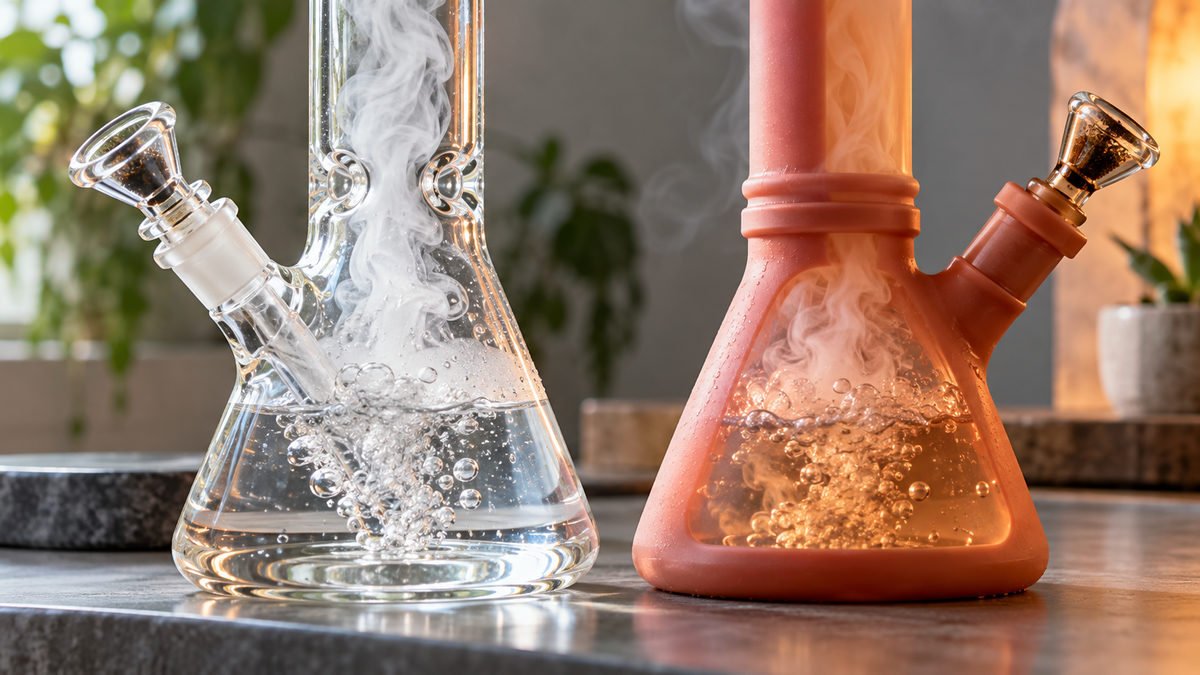
Glass remains popular because it has a neutral surface. It generally adds little flavour of its own, allowing the natural character of your material to come through more clearly. Additionally, smooth glass does not usually hold onto odours after proper cleaning.
Silicone can provide a comfortable experience, but it may behave differently over time. Its flexible surface can retain traces of strong flavours, particularly after repeated concentrate use. Therefore, a silicone bong may taste less neutral when residue remains inside the chamber.
Cleaning habits make a noticeable difference. A well-maintained silicone bong can taste perfectly acceptable, while a neglected glass bong can taste stale and unpleasant. However, glass usually gives you a better starting point for flavour purity.
Which Material Delivers Smoother Hits?
The material alone does not determine smoothness. Instead, percolation, water depth, airflow, chamber size, and draw speed play major roles. A compact glass bong with poor filtration may feel harsher than a silicone bong with an effective percolator.
For instance, a diffuser downstem can break smoke into smaller bubbles. This increases contact with water and can create a cooler, smoother draw. Likewise, the correct water level helps filtration without causing unwanted splashback.
Glass offers one useful advantage during use. Its transparent chamber lets you watch bubbling, airflow, and water movement. As a result, you can adjust the water level and spot dirty water more easily.
Silicone models can still provide smooth hits, especially when their chambers include practical percolation. Compact travel designs may work well for outdoor sessions or limited storage spaces. Nevertheless, design quality matters more than simply choosing silicone.
For readers comparing bong basics, the general construction and function of a bong explain why filtration features matter so much. In short, choose glass for the cleanest flavour potential, but inspect the filtration design before buying.
Durability, Heat Resistance, Safety, and Longevity
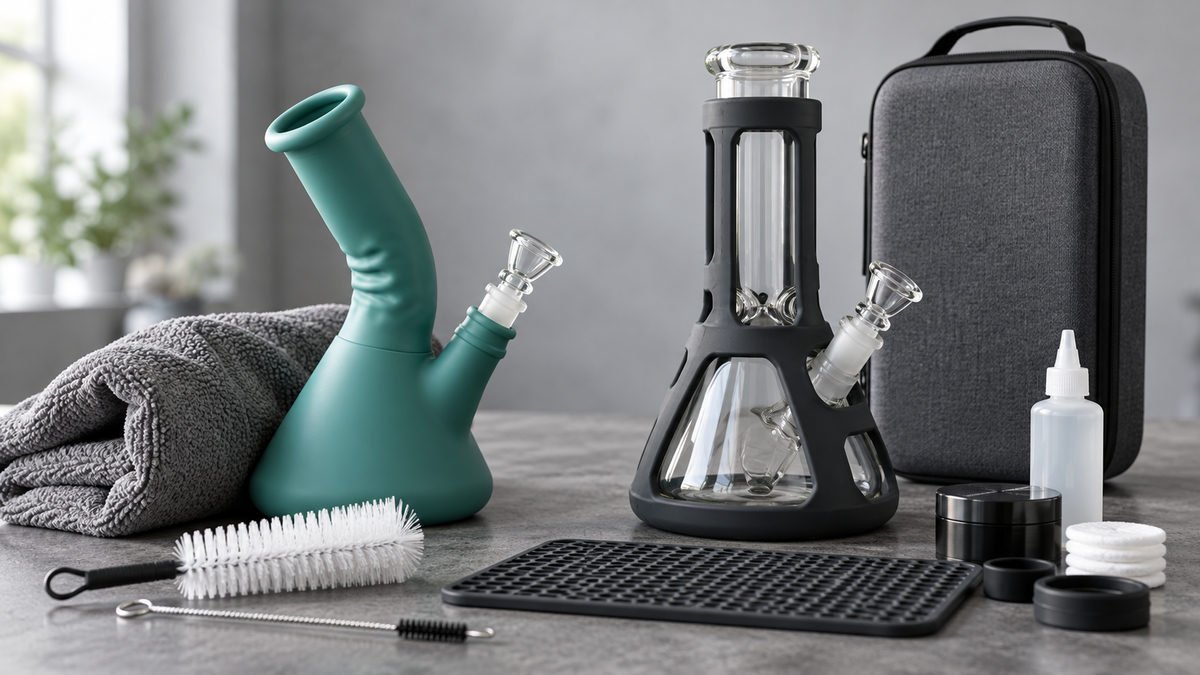
Silicone has a clear advantage when durability matters. It bends, absorbs minor impacts, and usually survives drops that would crack or shatter glass. Therefore, silicone suits busy homes, crowded storage areas, festivals, camping trips, and frequent travel. The most heat-resistant option is borosilicate glass.
Glass needs more careful handling. A knock against a bench, vehicle door, or tiled floor can damage the chamber or a removable part. Even when the main body survives, a downstem or bowl may still break.
That does not make glass unsafe by default. It simply requires stable placement and thoughtful storage. Meanwhile, silicone reduces breakage risk, but users still need to handle hot bowls, water, and open flames responsibly.
Can Silicone Bongs Withstand High Temperatures?
Quality, food-grade silicone can tolerate substantial heat when used according to the manufacturer’s instructions. However, heat resistance does not mean every silicone part can handle direct flame. Never hold a flame against the silicone body or heat components beyond their intended use.
Unknown materials create another concern. Avoid products with unclear material descriptions, strong chemical smells, poor seals, or visibly uneven construction. Additionally, overheating removable metal or glass parts can damage nearby seals and flexible components.
Always place a bong on a stable, heat-resistant surface. Keep the bowl away from curtains, paper, furniture, and other flammable items. Most importantly, allow hot parts to cool before touching, cleaning, or packing them away.
Both materials can last for years with proper care. Quality silicone may continue working after repeated travel, while quality glass can last just as long in a protected home environment. In practice, joints, downstems, seals, bases, and cleaning habits often determine lifespan.
Choose silicone when accidental impacts are likely. Choose glass when you can provide stable storage and careful handling. Either way, examine the complete bong rather than judging durability from the body material alone.
Cleaning, Odor Retention, and Bong Maintenance
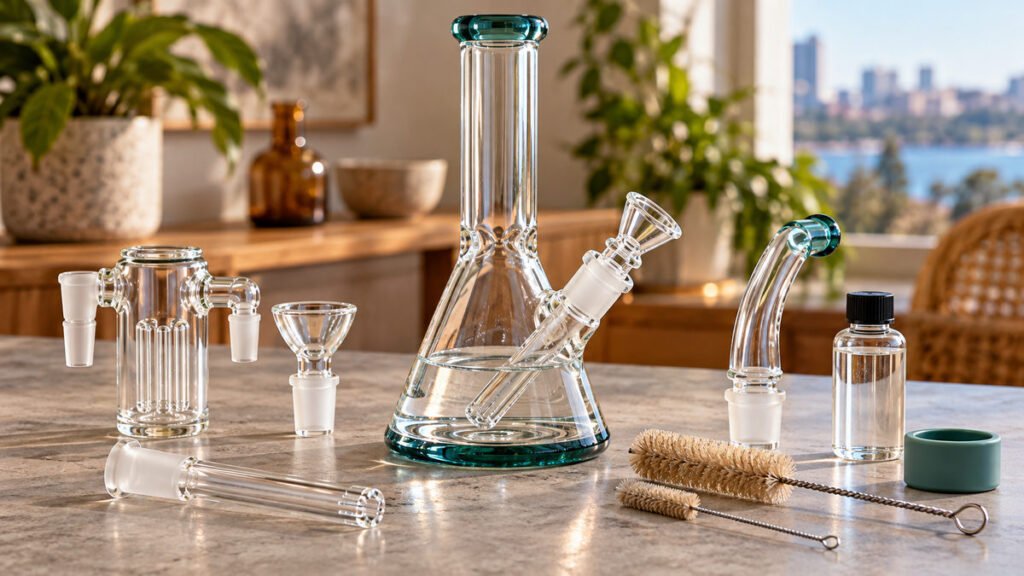
Glass bongs are usually easier to inspect and deep-clean. Their transparent walls show resin, cloudy water, and trapped particles clearly. Therefore, you can identify dirty areas before buildup becomes difficult to remove. The right bong cleaning accessories make both easy to clean.
Start by emptying old water and separating removable parts. Rinse with warm water, then use a suitable cleaning solution recommended for glass. Allow stubborn residue to soak before rinsing everything thoroughly.
Warm water helps loosen residue without shocking cold glass with sudden temperature changes. However, avoid boiling water unless the manufacturer specifically permits it. Sudden heat can stress glass and cause cracks.
Cleaning Silicone Without Creating New Problems
Silicone pieces often flex apart, making some areas easier to reach. However, textured surfaces, dark colours, and opaque sections may hide residue. As a result, silicone requires careful checking even when it looks clean externally.
Silicone may also retain odours and flavours after heavy use. Strong concentrates, sweetened materials, and stale water can leave lingering smells. Regular cleaning reduces this problem and helps preserve a more neutral experience.
Replace bong water after each session whenever practical. Fresh water reduces stale smells and removes particles before they settle. Additionally, clean bowls and downstems regularly because these parts collect residue quickly.
- Rinse the chamber after emptying old water.
- Soak removable parts when residue becomes stubborn.
- Use soft brushes rather than sharp or abrasive tools.
- Rinse every component thoroughly before reassembly.
- Allow all parts to dry completely before storage.
Abrasive tools can scratch glass, damage seals, or roughen silicone surfaces. Therefore, choose cleaning tools that match the part you are cleaning. Always check the manufacturer’s instructions before using alcohol or strong cleaners on silicone.
Store glass upright with padding around the chamber and removable parts. Meanwhile, store silicone fully dry and away from strong-smelling products. Proper storage prevents avoidable damage, trapped moisture, and unwanted odour transfer.
Design, Portability, Price, and Long-Term Value
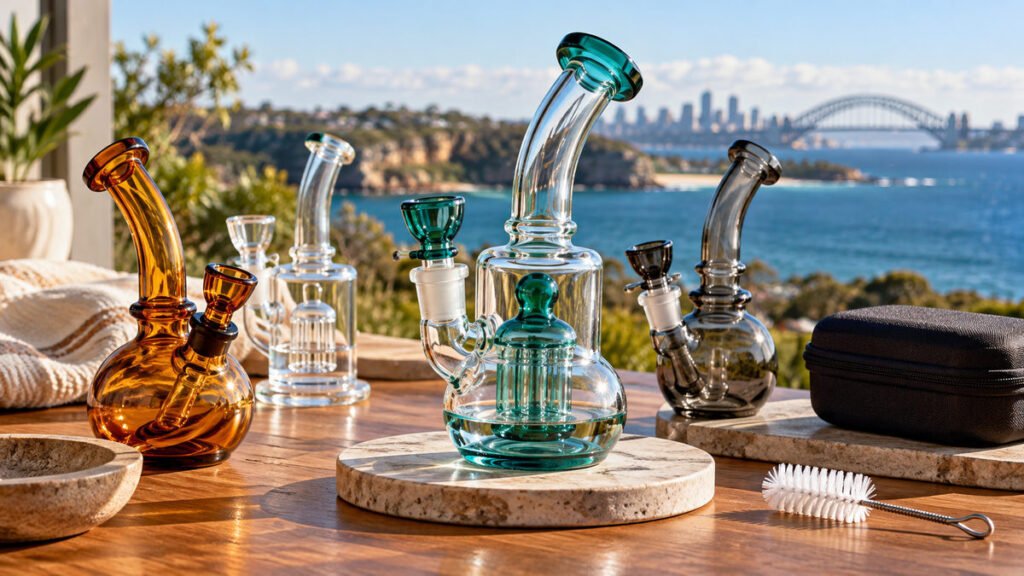
Glass offers the widest range of bong designs. You can find straight tubes, beaker shapes, compact rigs, novelty pieces, percolators, ice catchers, and reinforced joints. Transparent chambers also make the filtration process visible during every draw. For travel, see our guide to portable water pipes.
For many buyers, appearance matters as much as function. Glass can feature coloured sections, detailed artwork, shaped chambers, and premium finishes. Additionally, standard glass joints often make compatible bowls and downstems easier to find.
Silicone designs focus more on practicality. Flexible construction reduces the risk of breakage inside a bag or vehicle. Some models also collapse, detach, or pack into smaller spaces for convenient transport.
Portability and Everyday Convenience
Glass can be portable, but it needs protection. Weight, fragile attachments, and exposed joints create extra packing concerns. Therefore, a padded case or dedicated storage box becomes important for regular travel.
Silicone is usually lighter and easier to carry. It suits outdoor users, travellers, festival visitors, and people with limited storage at home. However, flexible construction does not remove the need for secure packing.
Silicone models often cost less at entry level. Glass can cost more because of craftsmanship, thicker construction, detailed shaping, and advanced filtration. Nevertheless, a higher price does not automatically guarantee better performance.
Long-term value depends on more than the purchase price. Consider replacement bowls, downstems, cleaning supplies, transport needs, and how often the bong will face accidental impacts.
- Check the quality of seals and joints.
- Look for a stable, well-balanced base.
- Confirm the stated material and manufacturing details.
- Review compatible replacement parts.
- Consider warranty coverage where available.
The cheapest bong may become poor value if it has thin glass, weak seals, an unstable base, or low-quality silicone. Similarly, an expensive design may not suit someone who travels constantly. Therefore, match the construction to your routine before comparing decorative features.
Which Bong Is Best for Beginners, Frequent Users, and Travelers?
Silicone can be a practical choice for beginners who want affordability, simple handling, and lower breakage risk. It also makes transport less stressful when storage space is limited. However, beginners who care strongly about flavour may prefer glass from the beginning. For a full checklist, read how to choose a bong.
Glass helps new users observe water movement and learn how percolators affect each draw. Its neutral surface also offers a cleaner flavour reference. Therefore, it suits beginners who want a refined home setup and enjoy learning about bong design.
Frequent home users often prefer glass for its flavour, easy visual inspection, and broad design selection. Regular cleaning becomes simpler when you can see residue through the chamber. Additionally, glass usually feels more polished during daily use.
Frequent travellers may prefer silicone instead. Outdoor users and people prone to dropping items gain practical protection from its flexible construction. Meanwhile, silicone remains easier to pack into a vehicle, backpack, or storage tub.
Choose Based on Your Main Priority
- Purest flavour: Choose a well-made glass bong.
- Smoothest hits: Choose effective filtration, regardless of material.
- Strongest durability: Choose quality silicone.
- Easiest travel: Choose a compact silicone design.
- Clearest maintenance checks: Choose transparent glass.
- Best budget convenience: Consider silicone with reliable seals.
A simple decision guide works well. Choose glass for home use, flavour, visibility, and customisation. Choose silicone for portability, impact resistance, and low-stress handling.
A hybrid setup can also provide flexibility. Some users keep a refined glass bong at home and a durable silicone option for travel. This approach separates premium daily use from situations where breakage becomes more likely.
Should frequent users choose glass or silicone? Consider your cleaning habits, usual location, and sensitivity to retained taste or odour. Neither material is universally superior, so your routine should guide the final decision.
Conclusion
Glass bongs generally deliver cleaner flavour, easier visual inspection, broader design choices, and a refined home experience. Silicone bongs offer strong impact resistance, easy portability, lower entry prices, and convenient everyday handling.
Choose glass when taste, filtration visibility, and design matter most. Choose silicone when travel, durability, and convenience lead your priorities. Before buying, compare reputable models by material quality, stable construction, suitable filtration, and available replacement parts.
For Australian shoppers, Sweet Puff Australia offers a useful place to compare bong styles and accessories around your needs. Take time to match the design, material, and maintenance requirements with your budget and regular routine.

Comment (1)
[…] Glass bongs Australia shoppers choose often provide a clean-looking design and clear visibility. You can see the water level, residue and internal parts, which makes routine maintenance easier. Glass also offers a smooth surface that usually does not retain odours as easily as softer materials. For a closer look, compare glass vs silicone bongs. […]