
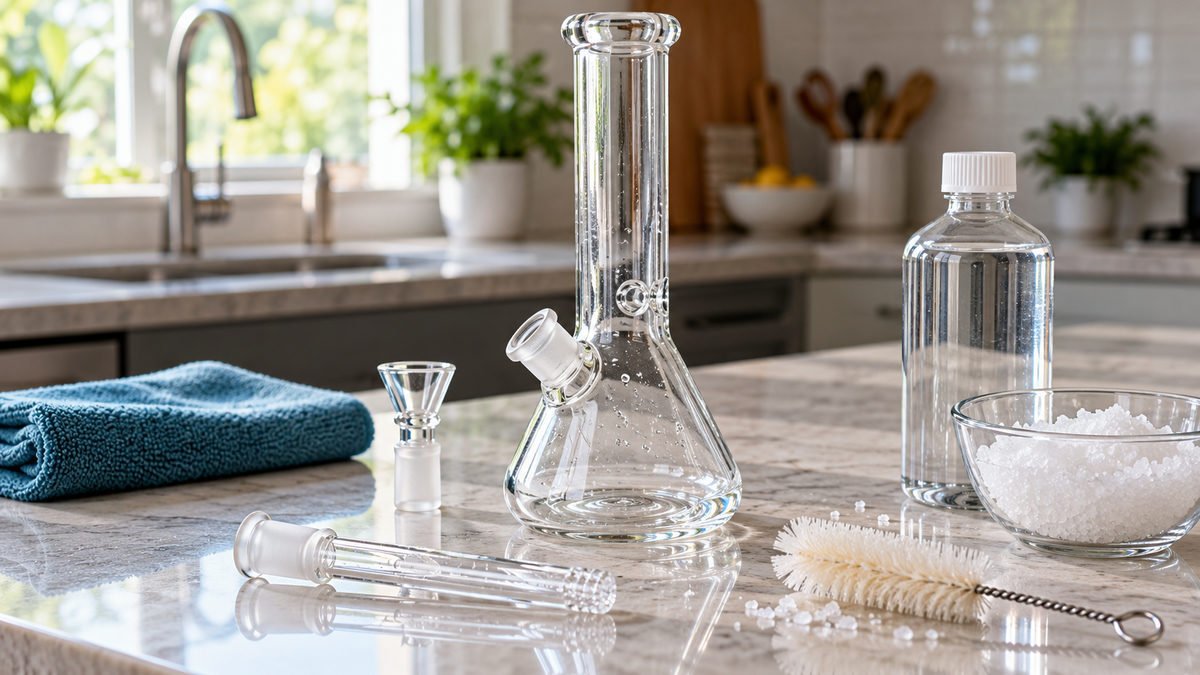
Is cloudy water, stubborn resin, or a stale odour making your water pipe unpleasant to use? Learning how to clean a water pipe helps restore airflow, flavour, and freshness. Regular cleaning also prevents residue from hardening inside the chamber, downstem, and bowl.
This guide explains the safest cleaning method for glass water pipes. You’ll learn which supplies to use, how to clean removable parts, and which alcohol-free alternatives work best.
1. Why Regular Water Pipe Cleaning Matters
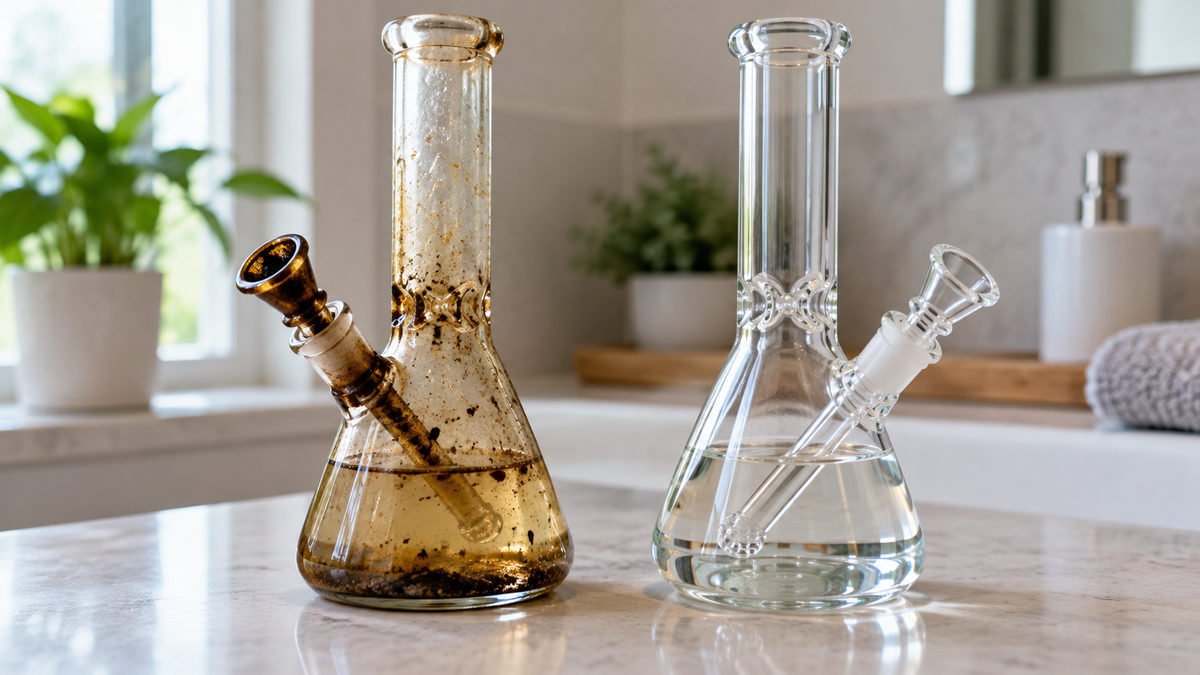
Fresh water does more than improve appearance. It removes stagnant water, loose ash, and residue that can collect after each use. Therefore, regular cleaning supports better everyday hygiene.
A clean glass water pipe usually delivers smoother airflow and a cleaner flavour. Moreover, removing resin helps reduce stale odours that linger around the chamber and mouthpiece.
Residue becomes harder to remove when it dries repeatedly. Over time, sticky buildup can narrow the downstem, block airflow, and make the bowl difficult to handle.
Several signs show that your bong needs attention. Cloudy water, sticky surfaces, visible resin, restricted airflow, and lingering odours all indicate accumulated buildup.
- Cloudy, discoloured, or stale-smelling water
- Sticky resin around the bowl or mouthpiece
- Visible buildup inside the chamber or downstem
- Reduced bubbling or restricted airflow
- A lingering smell after emptying the water
The safest approach uses several simple stages. First, disassemble removable parts, then soak them with a suitable solution. Next, scrub gently, rinse thoroughly, and allow everything to dry completely.
2. Supplies Needed to Clean a Bong or Glass Water Pipe
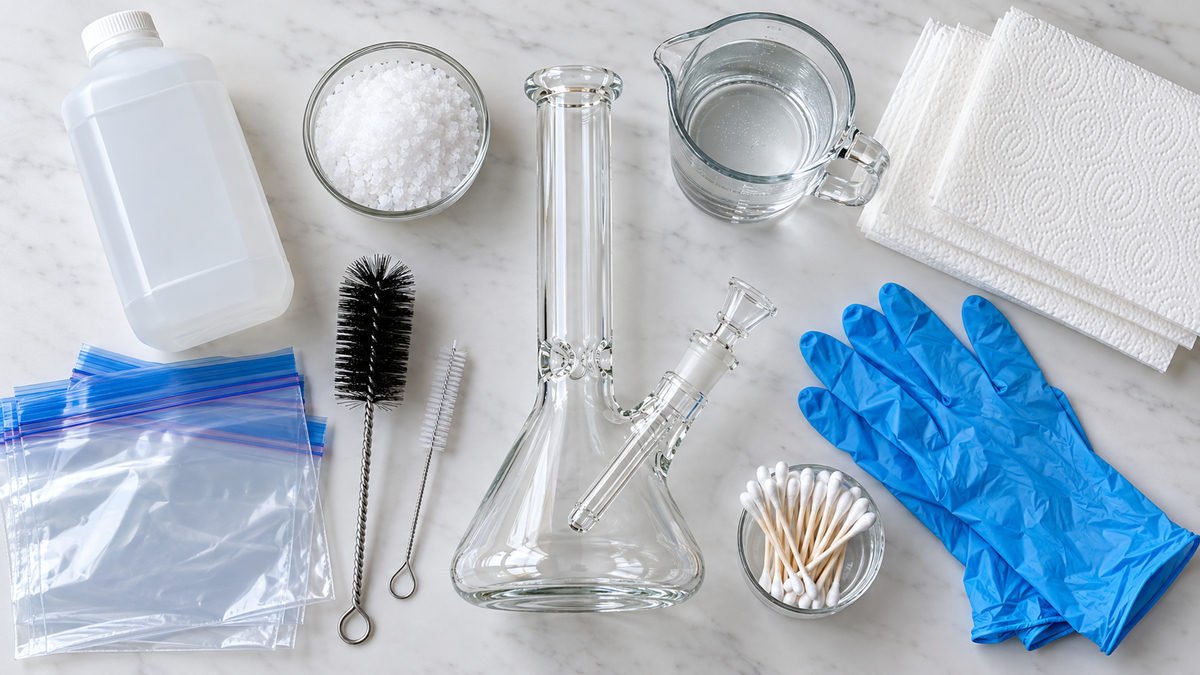
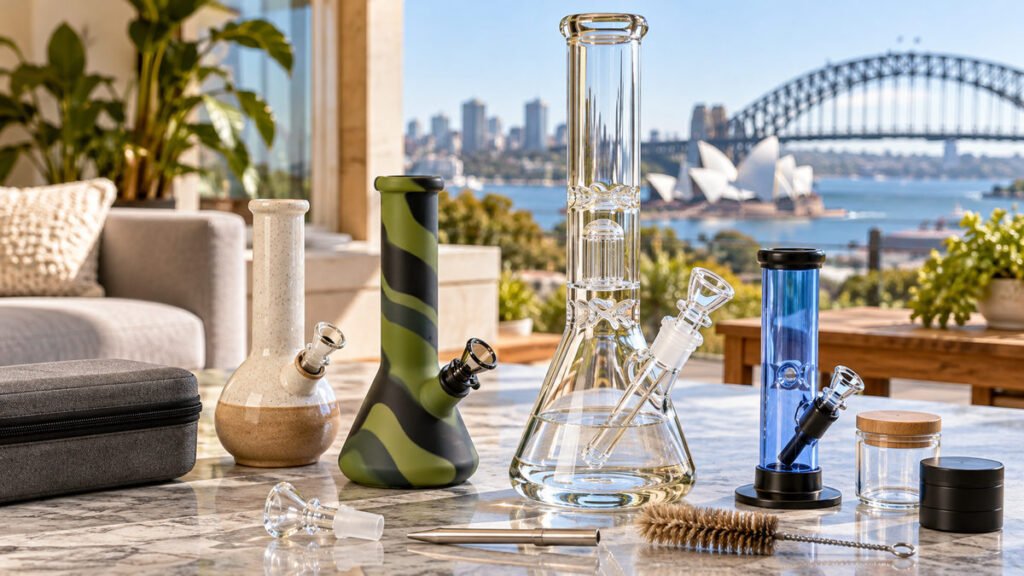
Gather your supplies before starting. A stable workspace makes cleaning easier and reduces the risk of dropping fragile glass components. See our guide to bong maintenance tools.
- Isopropyl alcohol, preferably 70% or higher
- Coarse salt, such as rock salt
- Warm water, never boiling water
- Rubber or nitrile gloves
- Paper towels or a soft cleaning cloth
- Cotton swabs
- A bong cleaning brush or flexible pipe cleaner
- A narrow bottle brush for larger openings
- Resealable bags or small containers
Coarse salt provides gentle agitation during cleaning. Its grains help lift resin from glass surfaces without the sharp edges found in metal tools.
However, salt cannot dissolve heavy buildup alone. Isopropyl alcohol helps loosen sticky resin, while salt adds movement when you gently shake the piece.
You can also choose a premixed bong cleaning solution. Additionally, check that the product suits glass and follow its stated contact time carefully.
Small resealable bags work well for bowls and downstems. They allow you to soak each part separately without filling a large container.
Use a flexible pipe cleaner for narrow passages. Meanwhile, a bong brush or bottle brush works better inside wider chambers and mouthpieces.
Wear gloves to protect your skin from residue and cleaning solutions. Furthermore, work near an open window and keep eye protection nearby if splashing seems possible.
Set everything on a towel-lined surface. This creates grip, protects the glass, and gives small parts a safer place to rest.
3. How to Clean a Water Pipe: Step-by-Step Method
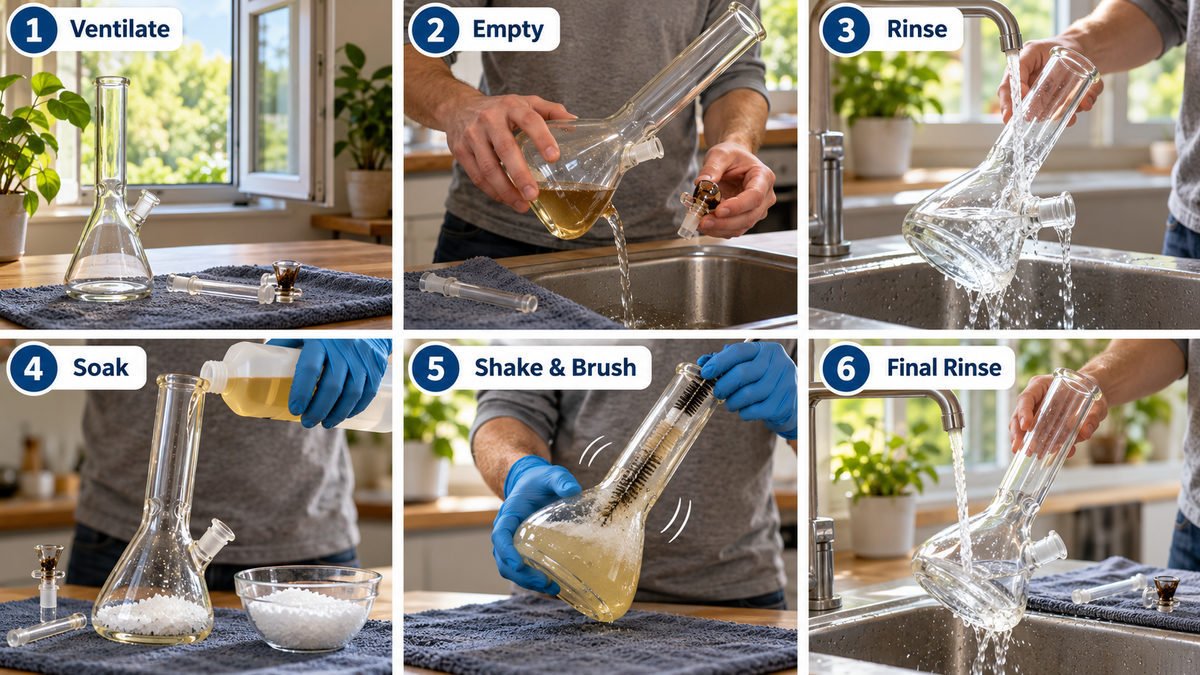
Step 1: Prepare a safe workspace
Choose a well-ventilated area away from flames, sparks, cigarettes, heaters, and hot surfaces. Isopropyl alcohol is highly flammable, so handle it carefully. For glass pieces, also read how to clean a glass bong.
For additional safety information, review the CDC guidance on isopropyl alcohol. Keep the bottle closed whenever you are not pouring it.
Step 2: Empty and disassemble the water pipe
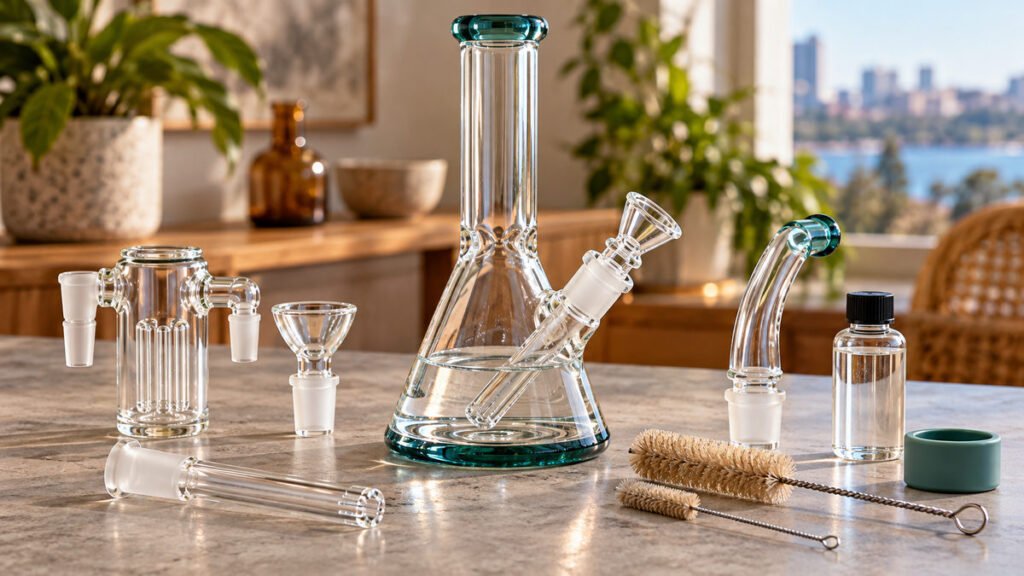
Pour out the used water first. Then remove the bowl, downstem, ash catcher, and any other detachable components.
Place each part on a soft towel. Therefore, you can inspect the pieces later without confusing their original positions.
Step 3: Rinse with warm water
Rinse the main chamber and removable parts with warm water. This loosens fresh residue and removes loose ash before deeper cleaning begins.
Never use boiling water on cold glass. Also, avoid moving a hot piece directly into cold water because thermal shock can crack or shatter it.
Step 4: Add alcohol and coarse salt
Pour enough isopropyl alcohol into the main chamber to contact the affected areas. Then add a small handful of coarse salt.
You do not need to fill the entire piece. Use enough solution to reach the resin while leaving space for gentle movement.
Step 5: Cover the openings
Cover the mouthpiece and other openings securely with your hands, rubber stoppers, or plastic wrap. Check that the seals feel stable before moving the piece.
Shake gently from side to side. The salt should move across the glass, but it should not strike the walls aggressively.
Step 6: Let the solution work
Allow the solution to sit for about 15 to 30 minutes when buildup looks moderate. Heavier residue may need longer contact time if the product instructions permit it.
Meanwhile, avoid leaving the piece unattended near heat or direct sunlight. Keep the container upright and away from children and pets.
Step 7: Scrub difficult areas carefully
Use a bong cleaning brush, cotton swab, or flexible brush on stubborn areas. Focus on the chamber walls, joint openings, and mouthpiece.
Never force a brush or tool into a narrow opening. Additionally, avoid twisting fragile glass parts because pressure can weaken joints.
For difficult resin, repeat the soak-and-agitate process. Several short cleaning cycles work better than one aggressive session.
Step 8: Pour out and rinse thoroughly
Pour the used solution into a suitable container or waste receptacle. Avoid splashing it across benches, clothing, or nearby electrical equipment.
Rinse every part repeatedly with warm water. Continue until the water runs clear and no alcohol smell, salt, or visible residue remains.
Inspect the glass under good lighting. If you still see resin, repeat the soaking and brushing process instead of using sharp objects.
4. How to Clean the Bowl, Downstem, and Mouthpiece
Cleaning the bowl
Place the bowl inside a small container or resealable bag. Add enough isopropyl alcohol to cover it, followed by a small amount of coarse salt. See our bong downstem guide for removing stems safely.
Let the bowl soak before scrubbing. Then use cotton swabs or a small cleaning brush to clean both the inside and outside surfaces.
Pay special attention to the air holes and joint. However, do not force cotton swabs through blocked openings, as fibres may become trapped.
Cleaning the downstem
Soak the downstem separately in alcohol and salt. A narrow, flexible brush can reach internal surfaces without placing excessive pressure on the glass.
Use gentle tapping or controlled rinsing to loosen softened resin. Never push a rigid object through a fragile downstem.
Additionally, inspect the downstem for chips, cracks, and clouding. Replace damaged parts before using the water pipe again.
Cleaning the mouthpiece
Wipe the mouthpiece with alcohol or a suitable commercial glass cleaner. Then rinse it several times with warm water.
Make sure no cleaner remains around the lip-contact area. A final clear-water rinse helps remove odours and chemical traces.
Cleaning can reduce residue, but it does not automatically disinfect every surface. Therefore, follow the product instructions when using a dedicated disinfecting cleaner.
5. Alcohol-Free Water Pipe Cleaning Alternatives
Some people prefer to clean a water pipe without alcohol. Others may not have isopropyl alcohol available or may prefer to avoid flammable solvents.
Vinegar can help loosen mineral deposits and reduce unpleasant odours. However, it usually works more slowly than alcohol against thick, sticky resin.
Use warm vinegar in a container or inside the chamber. Allow it to sit, then scrub gently with a suitable brush before rinsing thoroughly.
Baking soda can support deodorising and light cleaning. Add it to warm water, then use the mixture with a soft brush.
Do not treat baking soda as a harsh abrasive. Excessive scrubbing may create fine scratches or wear on delicate surfaces.
Never mix vinegar and baking soda inside a sealed container. The reaction creates pressure, while the bubbling reduces the solution’s cleaning effectiveness.
Commercial bong cleaning solutions provide another alcohol-free option. Therefore, check the label for glass compatibility, contact time, ventilation guidance, and rinsing instructions.
- Choose a formula labelled safe for glass.
- Follow the recommended soaking time.
- Keep the solution away from children and pets.
- Rinse until no smell or residue remains.
Avoid bleach, ammonia, drain cleaner, acetone, and other harsh chemicals. These products may damage components or leave residues that are difficult to remove.
Alcohol-free cleaning may require more time and several applications. For thick resin, use a dedicated resin-removal product designed for glass.
6. Rinsing, Drying, Storage, and Water Pipe Maintenance
Rinse every part several times with warm water after cleaning. Continue until the water runs clear and the cleaning solution smell disappears. Once dry, learn how to store glass bongs safely.
Hold fragile parts securely during rinsing. Meanwhile, avoid sudden temperature changes that could stress or crack the glass.
Place the bowl, downstem, mouthpiece, and main chamber on a soft towel. Allow every part to air-dry completely before reassembly.
Check joints and openings for trapped water, loose debris, or remaining residue. A cotton swab can help absorb moisture around accessible openings.
Store the water pipe upright in a stable, padded location. Keep it away from children, pets, direct sunlight, and extreme temperatures.
Change the water after every use, or at least daily. Fresh water prevents stale odours and reduces the amount of residue left behind.
A simple maintenance schedule
- After each use: Empty the water and rinse the chamber.
- Every few uses: Complete a light clean with warm water and a brush.
- Weekly: Deep-clean the full piece if you use it frequently.
- Every one to two weeks: Deep-clean the piece if you use it occasionally.
Do not overfill the chamber because water can reach the mouthpiece. Additionally, empty the piece after use instead of allowing residue to sit overnight.
Regular maintenance reduces odour, resin buildup, and aggressive scrubbing. As a result, your glass stays easier to clean for longer.
7. Common Cleaning Mistakes and Water Pipe Cleaning FAQ
Common cleaning mistakes
- Using boiling water or extreme temperature changes
- Scraping glass with knives, metal picks, or steel wool
- Using bleach, ammonia, acetone, or unapproved cleaners
- Mixing cleaning chemicals together
- Using isopropyl alcohol near flames, sparks, or high heat
- Rinsing too quickly after soaking
- Reassembling the piece while parts remain wet
Metal tools can scratch glass or weaken thin areas. Therefore, choose soft brushes and flexible cleaners instead. Own a bubbler too? Read how to clean a bubbler.
Never mix cleaning chemicals. Also, remember that alcohol vapour can ignite near flames, sparks, cigarettes, and hot electrical equipment.
Failing to rinse properly can leave alcohol, salt, vinegar, or commercial cleaner inside the piece. Always rinse until the water runs clear and the odour disappears.
What is the best way to clean a water pipe?
The most reliable method involves disassembly, warm-water rinsing, glass-safe cleaner, gentle agitation, thorough rinsing, and complete drying.
What supplies are needed to clean a bong?
You need warm water, isopropyl alcohol, coarse salt, gloves, paper towels, cotton swabs, and suitable cleaning brushes.
Can you clean a water pipe with isopropyl alcohol and salt?
Yes. Alcohol loosens resin, while coarse salt provides gentle agitation. Always rinse repeatedly afterwards.
How long should cleaning solution sit in a water pipe?
For moderate buildup, 15 to 30 minutes usually provides a useful starting point. Follow the cleaner’s label when it gives different instructions.
Can you clean a water pipe without rubbing alcohol?
Yes. Vinegar, baking soda, and commercial alcohol-free cleaners can help. However, thick resin may require extra soaking and repeated brushing.
Is vinegar safe for cleaning a glass water pipe?
Vinegar can suit glass cleaning when used carefully and rinsed thoroughly. It works better on mineral deposits and odours than heavy resin.
How often should you clean a bong?
Change the water after every use. Complete a light clean every few uses and a deep clean weekly for frequent use.
How do you remove bong smell and stubborn resin?
Empty the old water, soak the piece with a suitable cleaner, agitate gently, and rinse several times. Repeat the process instead of scraping aggressively.
Conclusion
A clean water pipe provides better airflow, flavour, hygiene, and odour control. The most reliable method combines careful disassembly, a glass-safe solution, gentle scrubbing, thorough rinsing, and complete drying.
Regular water changes also prevent resin and stale odours from becoming difficult problems. Clean your water pipe today, then set a recurring schedule based on how often you use it.
For cleaning-friendly accessories and glass water pipes, explore Sweet Puff Australia. Choosing suitable pieces and caring for them properly can make everyday maintenance simpler and more consistent.



Comment (1)
[…] Start by preparing a ventilated workspace with towels, gloves, cleaning solution, brushes, plugs, and a safe area for loose glass parts. Keep the work surface stable and free from clutter. Follow our guide on how to clean a water pipe. […]