
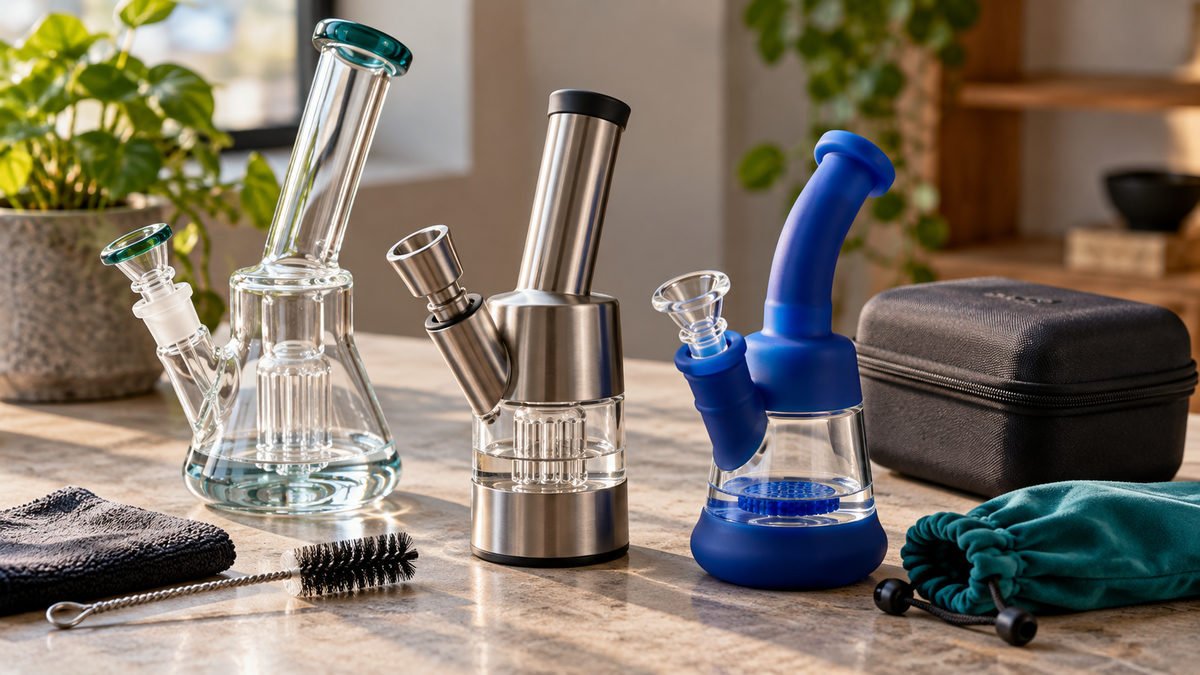
Want smoother filtration without carrying a full-size setup? The right portable water pipes can make storage, transport, and everyday use far more convenient. However, shoppers often compare portable bongs, bubbler pipes, mini bongs, dab rigs, materials, filtration systems, durability, cleaning, and price.
Therefore, this guide explains the main designs and features worth comparing. You’ll also find practical buying tips, care advice, legal considerations, and answers to common questions.
1. What Are Portable Water Pipes and How Do They Work?
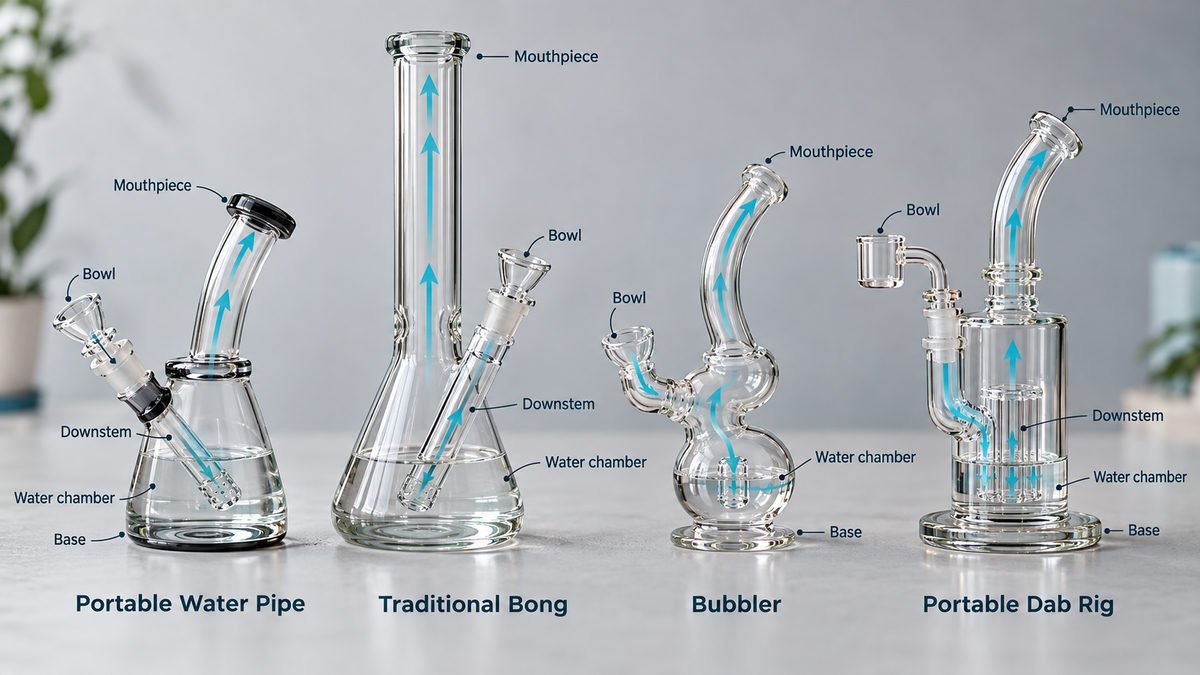
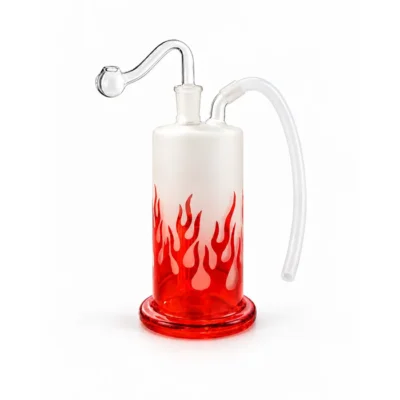
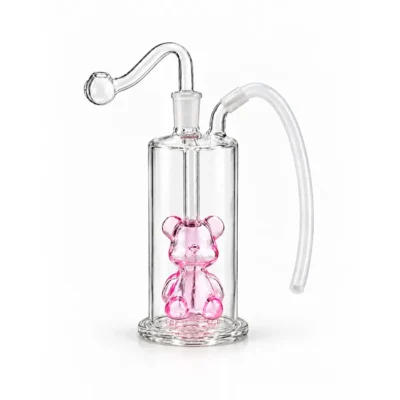
A portable water pipe is a compact smoking accessory that uses water filtration before inhalation. Most designs include a bowl, water chamber, downstem, mouthpiece, and base. Some models also include a percolator for extra bubbling.
When you use a dry-herb model, smoke travels from the bowl through the downstem. It then bubbles through water before reaching the mouthpiece. This process can cool the smoke and help filter some particles.
However, the result depends on the design, water level, draw technique, and cleanliness. A larger chamber may create more cooling, while a smaller chamber usually improves portability. Too much water can also cause splashing or restricted airflow.
A portable water pipe differs from a traditional bong mainly through its size and travel-friendly construction. A mini bong offers a smaller version of a standard bong, while a bubbler pipe usually combines a handheld shape with a built-in water chamber.
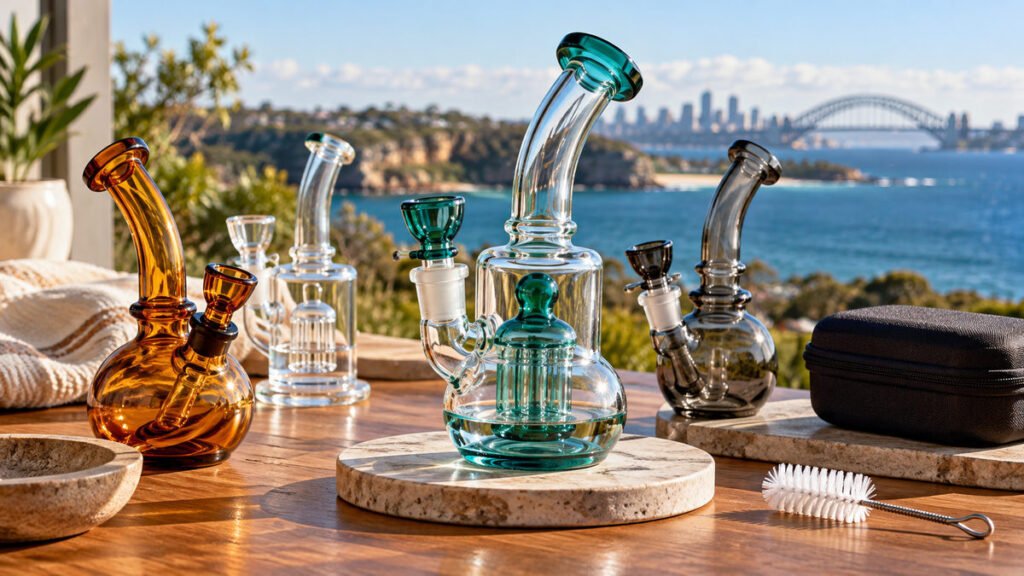
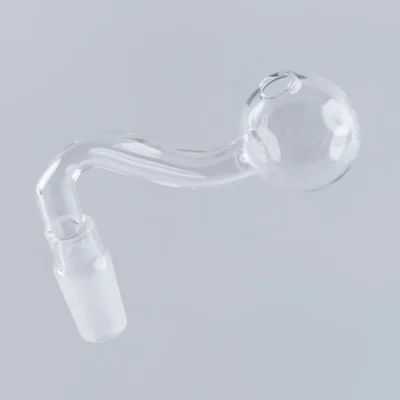
Meanwhile, a collapsible model may fold or separate for easier storage. A portable dab rig generally supports concentrates and often uses a different heating attachment. Some products accept interchangeable bowls, bangers, or other attachments.
Filtration also varies considerably between models. A standard chamber provides simple bubbling, while a diffused downstem divides smoke into smaller bubbles. Percolators create additional water contact, although they can make cleaning more demanding.
For instance, a beginner might prefer a compact bubbler with one simple chamber. An experienced user may prefer a portable rig with interchangeable parts and more advanced filtration.
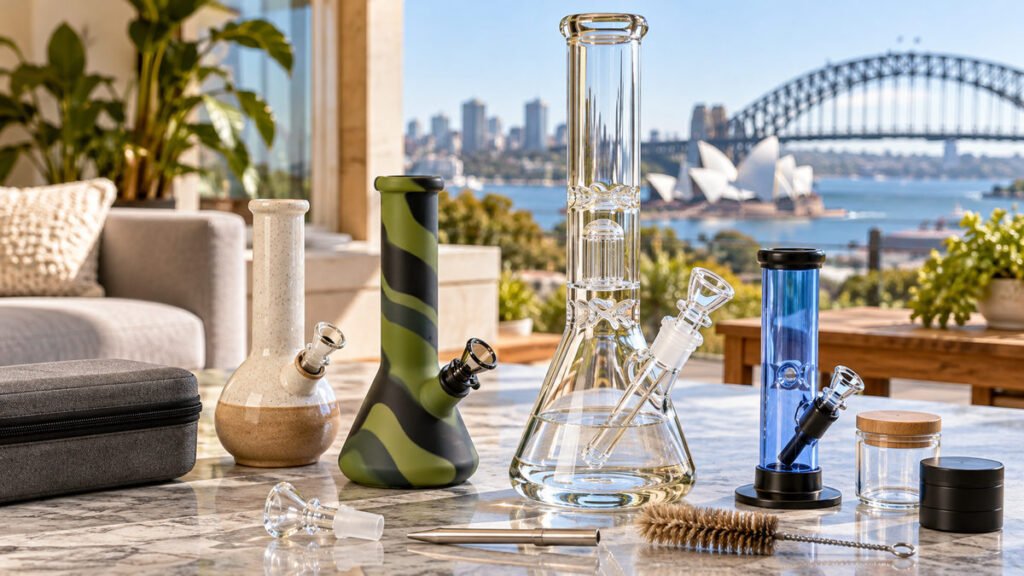
2. Portable Water Pipes: Main Types, Materials, and Designs
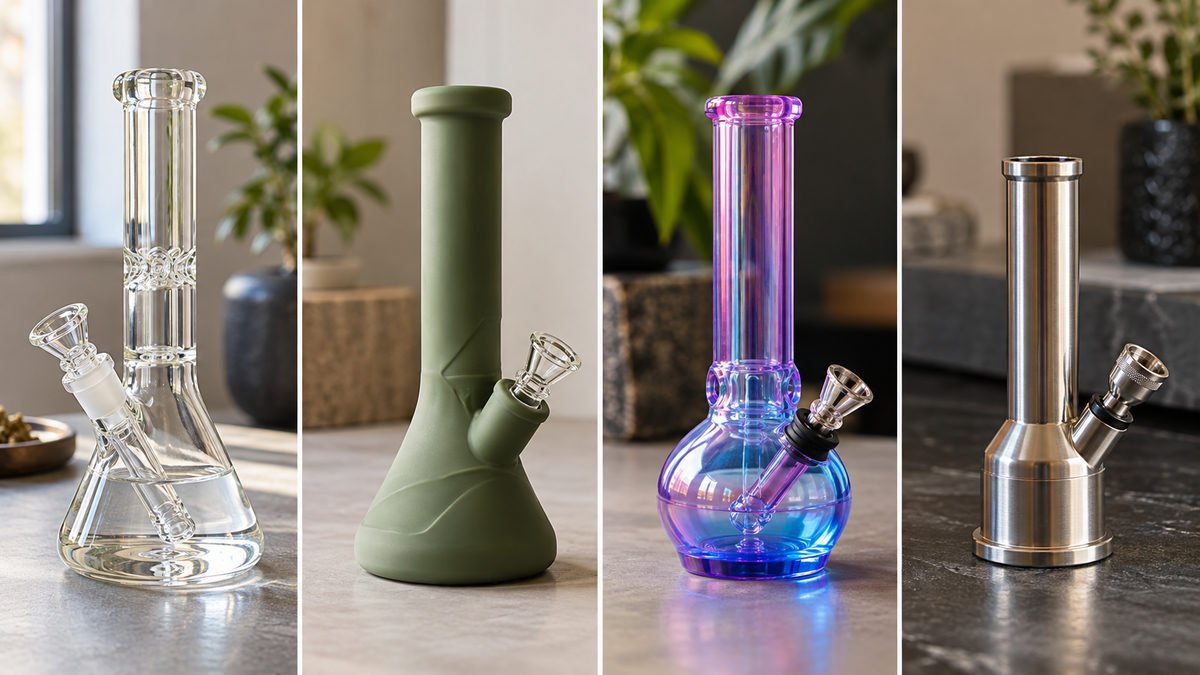
Portable water pipes come in several designs, and each one suits different routines. Your choice should reflect where you use it, how often you travel, and how much maintenance you accept. Compact bubbler pipes are another portable option.
Common portable designs
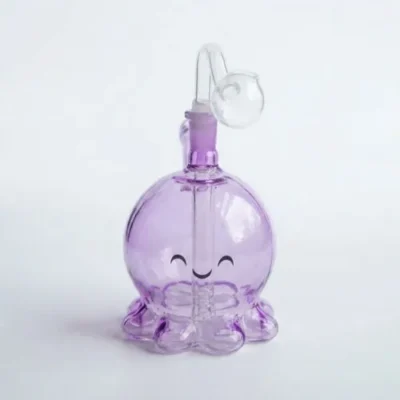
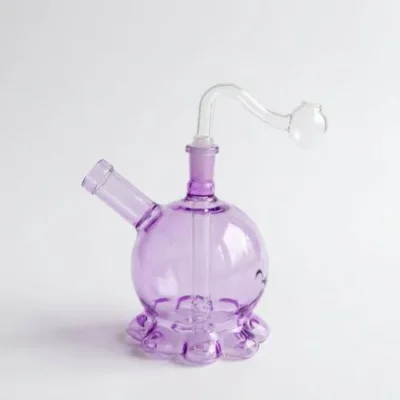
- Mini bongs: These offer familiar bong features in a smaller format. They suit compact storage and occasional transport.
- Handheld bubblers: These are light, simple, and easy to hold. They work well for users who value convenience.
- Collapsible models: These separate or fold for travel. However, extra joints may require closer inspection.
- Percolator water pipes: These add more bubbling and filtration. They can provide a smoother draw but need more cleaning.
- Portable dab rigs: These are designed for concentrates. They usually require compatible heating accessories and careful temperature control.
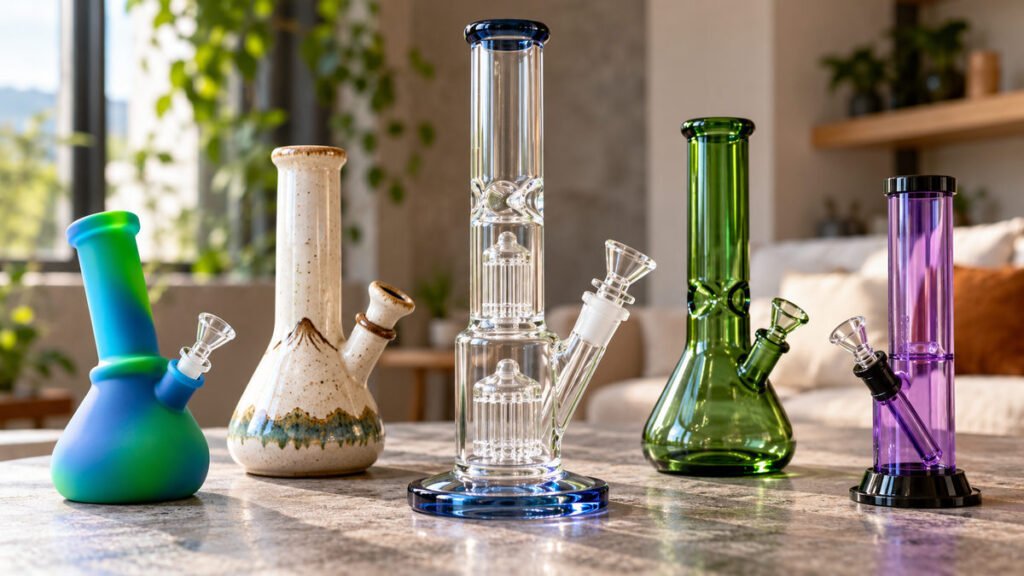
Material comparisons
Borosilicate glass remains popular because it offers clean flavour, clear visibility, and attractive designs. You can also see water quality, residue, and airflow problems quickly. However, glass can crack or break when dropped, packed poorly, or exposed to sudden temperature changes.
Silicone water pipes offer flexibility and impact resistance, making them useful for frequent travel. Quality silicone should feel sturdy and resist excessive odour retention. Nevertheless, cheaper materials may hold smells, feel soft, or become difficult to clean.
Acrylic models usually provide an affordable entry point. They can withstand everyday knocks better than thin glass, but they may show scratches. Acrylic can also provide less visual clarity during cleaning.
Metal water pipes offer rugged portability and strong impact resistance. They often suit outdoor use or demanding travel conditions. However, metal hides residue and may deliver a different taste compared with quality glass.
Glass water pipes suit flavour-focused users who mainly use a stable home setup. Silicone and metal may suit travellers who prioritise resilience over appearance. Therefore, the best material depends on your priorities rather than one universal standard.
Portable dab rigs deserve separate consideration. They often use a banger or concentrate bowl instead of a dry-herb bowl. Always check compatibility before buying replacement attachments or accessories.
- Beginners: Choose a simple bubbler with a stable base and easy cleaning.
- Frequent travellers: Consider silicone, metal, or a protected compact glass design.
- Small storage spaces: Look for a mini bong or detachable bubbler.
- Smoother filtration: Compare diffused downstems and simple percolators.
- Experienced users: Consider interchangeable bowls, advanced filtration, or concentrate compatibility.
3. How to Choose the Best Portable Water Pipe
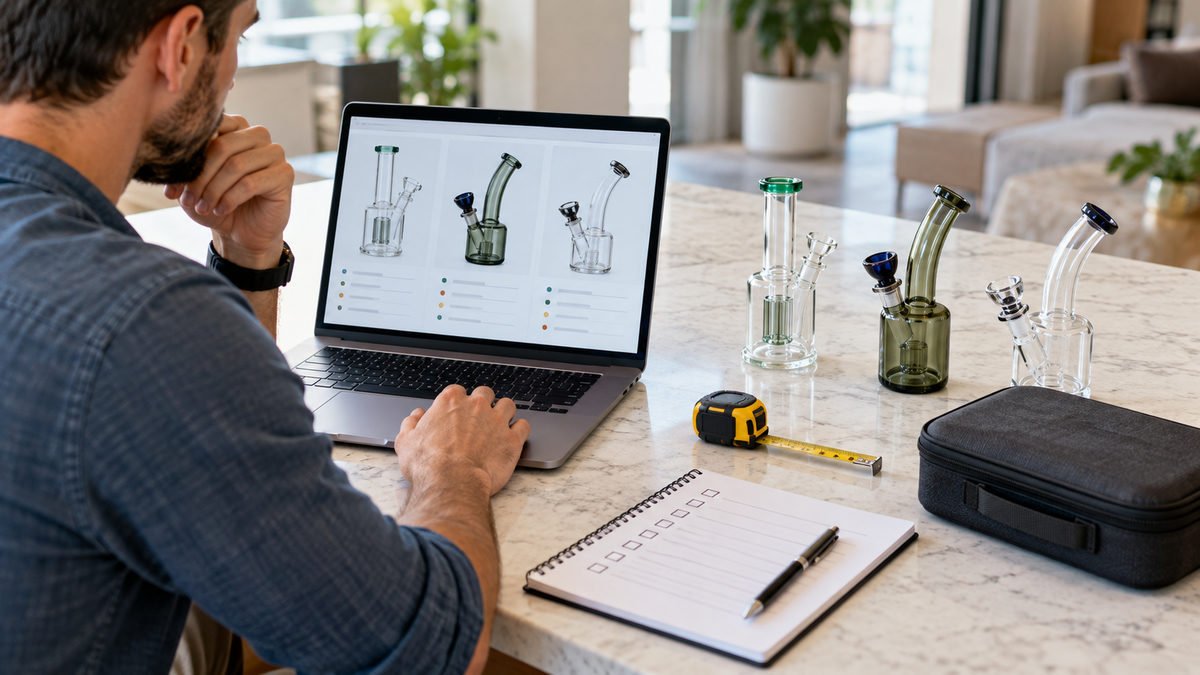
Choosing the best portable water pipe becomes easier when you compare practical features first. Use the following checklist before focusing on appearance or extra accessories. Browse options in our guide to mini bongs in Australia.
- Check the size and weight. A travel-friendly model should fit safely inside your bag without dominating the available space. Compact dimensions are useful, but extremely small chambers may offer less stability and cooling.
- Assess the base and centre of gravity. A wider base usually resists tipping better than a narrow base. Check whether the mouthpiece or bowl makes the pipe top-heavy.
- Review the filtration system. A standard chamber keeps maintenance simple. A diffused downstem or percolator may increase bubbling, but it can also add drag and cleaning work.
- Compare the material. Choose borosilicate glass for flavour and visibility. Consider silicone or metal when impact resistance matters more.
- Inspect the construction. Look for consistent joints, secure seals, smooth edges, and solid connections. Removable parts should fit firmly without feeling forced.
- Consider cleaning requirements. More chambers and narrow pathways can trap residue. Choose a design that allows brushes, rinsing, and easy access.
- Review portability features. Detachable parts, leak-resistant construction, protective packaging, and discreet storage can make transport much simpler.
- Set a realistic budget. Compare durability, included accessories, replacement parts, retailer support, and maintenance. The cheapest product may cost more if it breaks quickly.
For travel, choose a model that fits comfortably inside a padded bag or portable bong case. Measure the full height, widest point, and removable parts before purchasing storage. Leave room for padding rather than selecting a case with an exact fit.
Stability matters just as much as compactness. A low centre of gravity, broad base, and well-positioned mouthpiece reduce accidental tipping. Additionally, check whether the bowl or attachment extends far beyond the main chamber.
Portability also depends on how the pipe separates. Detachable downstems and bowls can reduce the packed size. However, each extra connection creates another seal that may loosen or require replacement.
Filtration features deserve careful comparison. Ice compatibility may provide extra cooling, while a diffused downstem can create smaller bubbles. Percolators add water contact, but complex pathways often require more frequent cleaning.
Durability depends on more than wall thickness. Examine joint quality, seals, removable components, and resistance to temperature changes. A strong body can still fail if the downstem connection feels loose.
Beginners should prioritise simplicity, stability, easy cleaning, and replacement-part availability. Experienced users may prefer advanced percolation, interchangeable bowls, concentrate compatibility, or a smoother draw.
4. Price, Quality, and Product Value: What Should You Expect?
Price usually reflects material quality, craftsmanship, filtration complexity, included accessories, and retailer support. However, a higher price does not automatically guarantee the best fit for your routine. For travel, many choose silicone; compare glass vs silicone bongs.
Entry-level portable water pipes usually focus on simple materials and basic filtration. They can suit beginners who want an uncomplicated design. Mid-range products often offer stronger construction, better seals, and more refined airflow.
Premium models may include thicker glass, detailed craftsmanship, advanced percolation, interchangeable attachments, or stronger manufacturer support. Therefore, compare features that affect daily use rather than paying for decoration alone.
Judge value beyond the initial purchase price. Consider whether the product includes a bowl, downstem, screens, seals, or a cleaning tool. Also check the cost and availability of replacement parts.
- Travel value: Prioritise compact dimensions, impact resistance, and protective storage.
- Durability value: Look for secure joints, reliable seals, and a stable base.
- Compact-storage value: Choose detachable parts and a low-profile shape.
- Filtration value: Compare diffused downstems or percolators with manageable cleaning needs.
Before buying, read customer feedback for recurring concerns about leaks, breakage, odour, loose parts, and difficult maintenance. Additionally, review the return policy, shipping protection, warranty coverage, and retailer reputation.
A durable portable water pipe should feel balanced and secure during normal handling. Seals should sit evenly, joints should connect smoothly, and the base should resist rocking. These details often matter more than a complex appearance.
5. Cleaning, Storage, Transport, and Useful Water Pipe Accessories
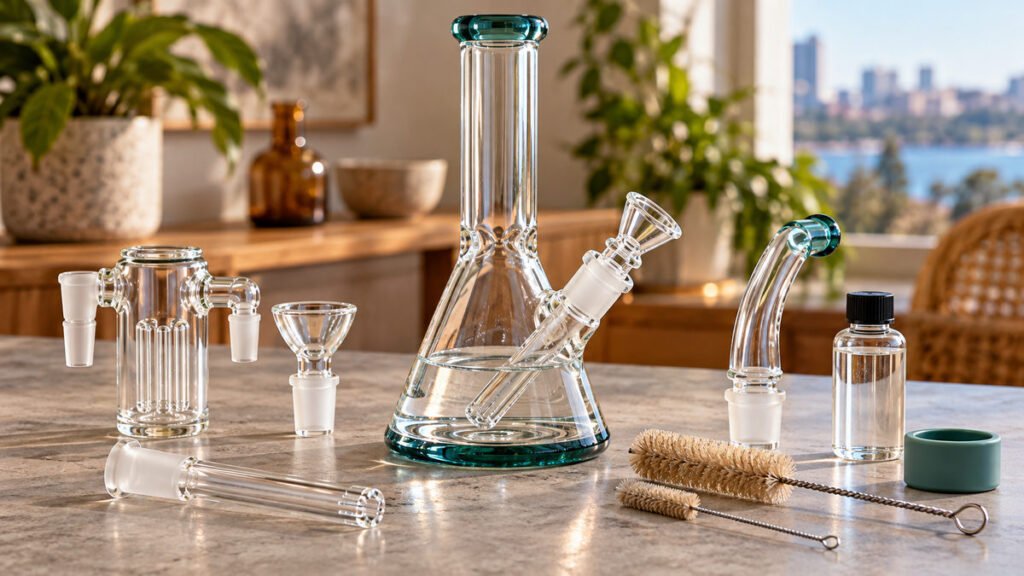
Regular cleaning helps maintain airflow, flavour, appearance, and hygiene. Use a suitable cleaning solution, appropriate brushes, and clean water. Rinse every part thoroughly, then allow the pipe to dry completely before storage. Here is how to pack glass water pipes safely for travel.
Change the water frequently, especially after regular use. Stale water can affect taste, airflow, odour, and cleanliness. A quick rinse between uses can also reduce residue before it hardens.
Store the pipe empty whenever possible. Water left inside can leak into bags, damage nearby items, and create unpleasant smells. Keep glass models inside padded storage with separate protection for bowls and downstems.
A portable bong case can help frequent travellers protect their equipment. Look for padding, water-resistant construction, odour control, and compartments for removable parts. Internal straps or dividers can prevent movement during transport.
- Replacement bowls and screens
- Spare downstems and mouthpiece covers
- Cleaning brushes and suitable cleaning solution
- Storage containers for small parts
- Replacement seals, grommets, and clips
- Padded cases with separate compartments
Inspect the pipe before each trip. Check for cracks, blocked airflow, loose joints, worn seals, and damaged removable parts. Replace faulty components before transport, particularly when the pipe contains glass.
For travel, keep the device empty, clean, dry, and protected. Pack small components separately so they cannot strike the main chamber. Also check applicable transport rules, age requirements, and destination regulations before travelling.
6. Portable Water Pipe Buying Checklist, Legal Considerations, and FAQs
Use this final checklist before choosing a portable water pipe:
- Confirm whether you need a dry-herb pipe, bubbler, mini bong, or dab rig.
- Choose glass, silicone, acrylic, or metal based on your priorities.
- Measure the pipe, removable parts, and planned storage case.
- Compare chamber design, downstems, ice compatibility, and percolators.
- Check the base, centre of gravity, seals, and joint quality.
- Review cleaning access and replacement-part availability.
- Confirm included accessories and realistic maintenance requirements.
- Read the warranty, returns policy, and shipping protection details.
- Set a budget that includes storage and replacement parts.
Whether portable water pipes are legal to buy or own depends on your country, state, territory, product type, and intended use. Rules can also differ between tobacco accessories, herbal products, concentrates, and drug-related equipment.
Australian readers should verify current local regulations, age restrictions, retailer requirements, and rules concerning tobacco or other substances. The Australian Government explains that tobacco laws involve Commonwealth, state, and territory responsibilities through its official smoking and tobacco laws guidance.
Frequently asked questions
Can a portable water pipe fit in a carrying case? Yes, if you measure its height, width, depth, and removable parts. Allow extra space for padding and avoid forcing the mouthpiece or bowl into place.
Which portable water pipe offers the best value? The best value depends on your priorities. A simple bubbler may suit beginners, while a rugged silicone model may suit frequent travellers.
Is glass or silicone better? Glass usually offers cleaner flavour and better visibility. Silicone provides greater flexibility and impact resistance, but quality and odour retention can vary.
What is best for beginners? Choose a simple, stable, easy-to-clean design with reliable replacement parts. Avoid complex percolators until you understand your preferred draw and maintenance routine.
Do portable water pipes provide smooth filtration? They can, but results vary with water level, chamber design, filtration features, and draw technique. Clean water and clear airflow also make a noticeable difference.
How can I reduce leaks and odour? Empty the pipe after use, dry it fully, inspect the seals, and store it in a suitable case. Regular cleaning also prevents residue from creating persistent smells.
Are portable water pipes expensive? Prices vary by material, construction, filtration, accessories, and retailer support. Compare long-term value instead of choosing solely by the lowest price.
How do I maintain one? Change the water regularly, clean residue with a suitable solution, rinse thoroughly, and replace damaged seals or blocked parts.
Conclusion
The best portable water pipe balances compact size, stable construction, suitable filtration, easy cleaning, durable materials, secure storage, and overall value. Glass suits flavour-focused users, while silicone and other rugged materials may suit frequent travel.
Use the checklist to compare portable water pipes, review retailer policies and customer feedback, and choose a model that matches your travel needs, experience level, and preferred filtration style.
For more options and practical accessories, explore Sweet Puff Australia. Compare designs carefully, consider how you will store and clean your pipe, and check local requirements before purchasing.

Comment (1)
[…] Beginners usually benefit from a simple design with fewer parts. Look for a stable base, moderate water capacity, and an easy-to-reach carburetor. Additionally, choose a chamber with wide openings that you can clean without special tools. For travel, also see portable water pipes. […]