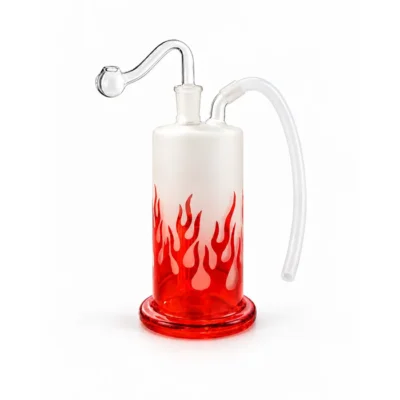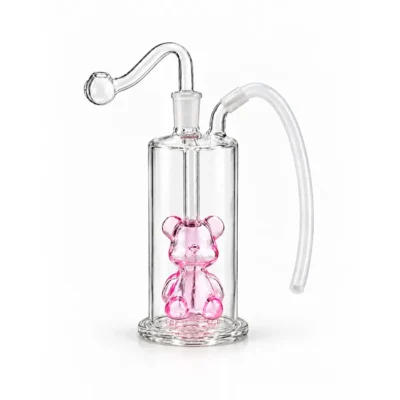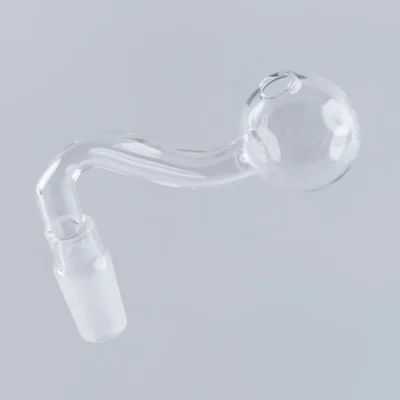
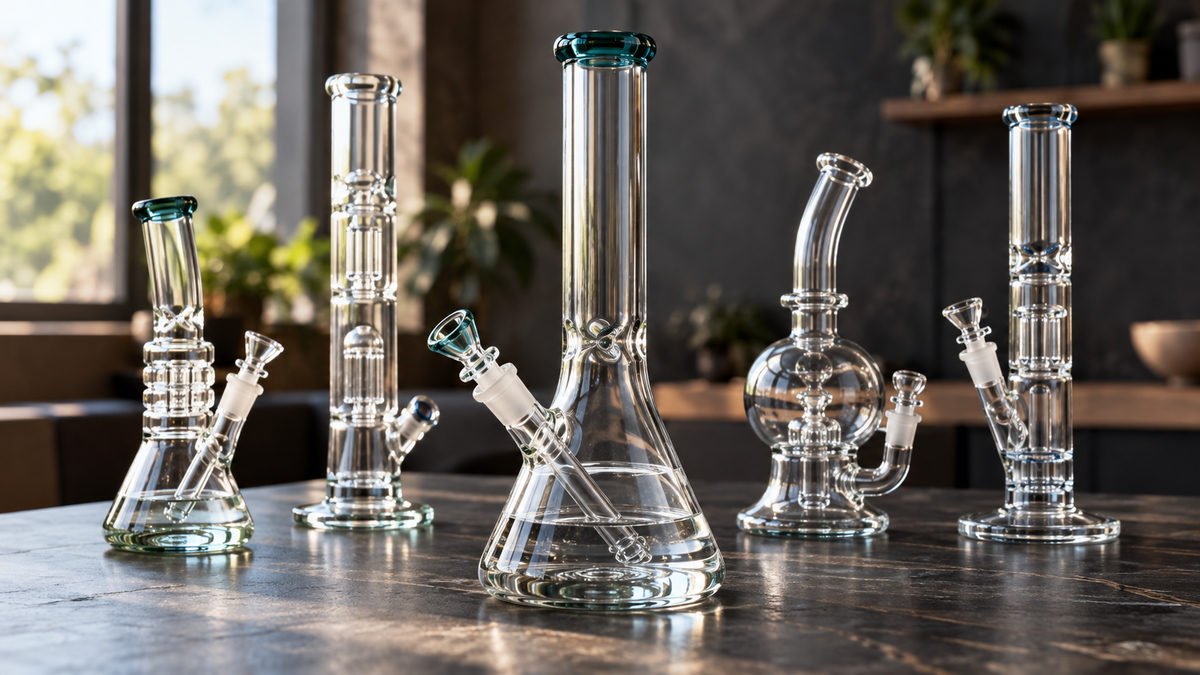
Choosing between a beaker bong, straight tube, recycler, or percolator can feel surprisingly difficult. The best borosilicate glass bongs balance durability, smooth filtration, stable construction, and sensible maintenance. However, many buyers struggle to identify genuine borosilicate glass, judge thickness, or decide which features deserve a higher price.
This guide compares popular water pipe designs by materials, filtration, size, thickness, price, and upkeep. You will also find practical checks for shopping in Australia, including packaging, replacement parts, age restrictions, and local laws.
1. What Is Borosilicate Glass and Why Is It Used for Bongs?
Borosilicate glass contains silica and boron oxide, which create a tightly connected glass structure. This composition gives it a low coefficient of thermal expansion, strong chemical stability, and good resistance to temperature changes.
For technical background, SCHOTT explains borosilicate glass properties, including its low expansion and high chemical durability. These qualities explain why manufacturers use it for laboratory equipment, scientific glass bongs, glass water pipes, and other heat-exposed products.
Compared with soda-lime glass, borosilicate glass handles ordinary temperature changes with less stress. It also resists chemical reactions and surface degradation more effectively. However, borosilicate remains glass, so it can still crack, chip, or shatter after a hard impact.
- Soda-lime glass: Usually cheaper, but more vulnerable to thermal stress and sudden temperature changes.
- Ceramic: Often sturdy and heat-resistant, although it can feel heavier and hide residue inside opaque sections.
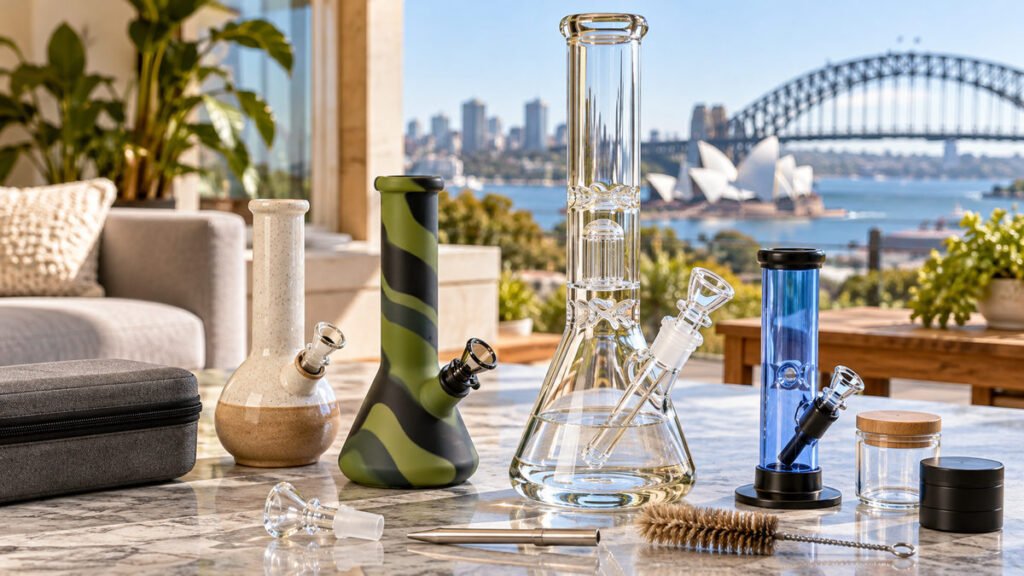
- Silicone: Flexible and portable, but it may retain odours and provide less visual feedback.
- Acrylic: Lightweight and impact-resistant, but it can scratch easily and may show residue less clearly.
Therefore, borosilicate glass bongs are generally better than ordinary thin glass designs for heat management and long-term clarity. They are not indestructible, though. A thick borosilicate bong can still break when it tips onto a hard floor or receives pressure around a joint.
Low expansion helps the glass withstand normal warm-to-cool transitions. However, avoid boiling water, open flames against the glass, or sudden extreme temperature changes. Thermal shock can occur when one area heats or cools much faster than another.
Safety also depends on how you handle the water pipe. Use clean water, place the base on a stable surface, manage heat carefully, and inspect the glass regularly. Only adults should purchase or use these products, and Australian buyers must follow applicable state, territory, and federal laws.
2. Borosilicate Glass Bongs: Designs, Filtration, and Hit Smoothness
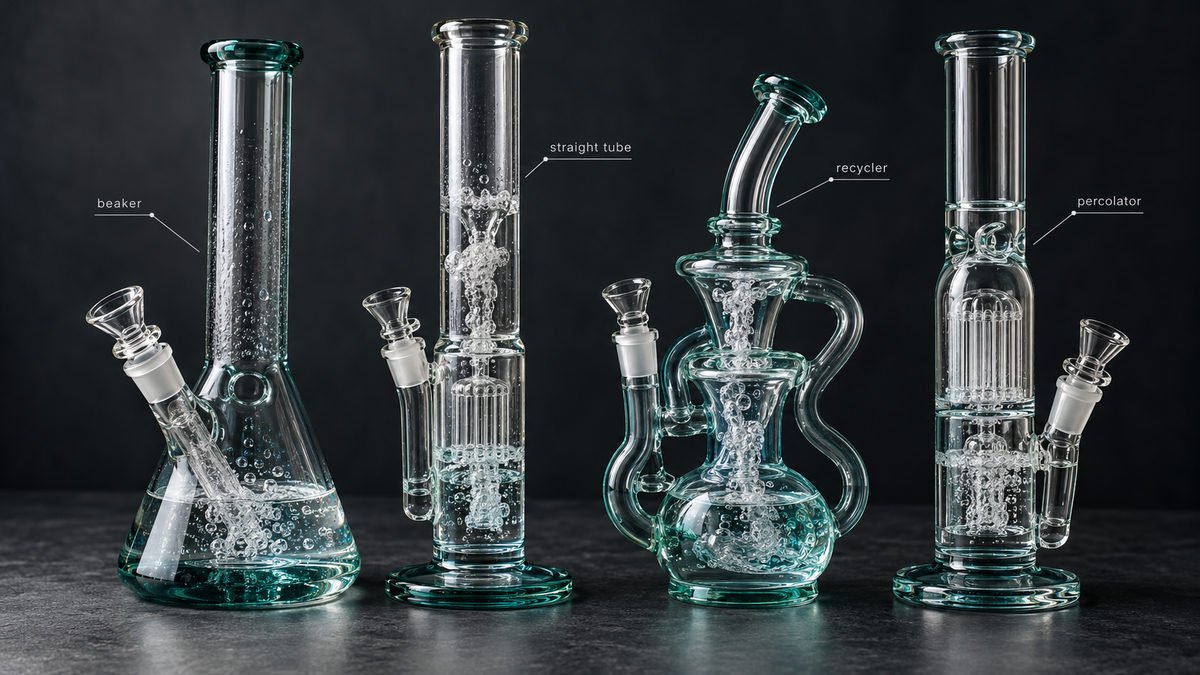
Water filtration cools and conditions smoke before it reaches the mouthpiece. It can reduce heat and catch some particles, although it does not remove every irritant or eliminate health risks. Learn more in percolator bongs explained.
Percolation works by forcing smoke through water in smaller bubbles. More bubbles create greater water contact, which can produce a cooler and smoother-feeling draw. However, extra diffusion often increases resistance and makes cleaning more demanding.
Beaker and Straight Tube Designs
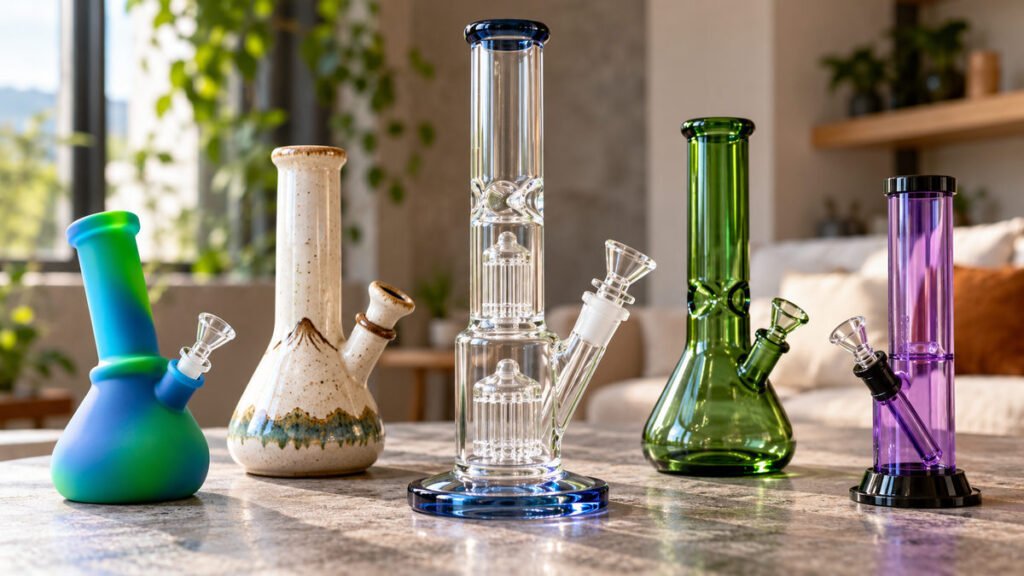
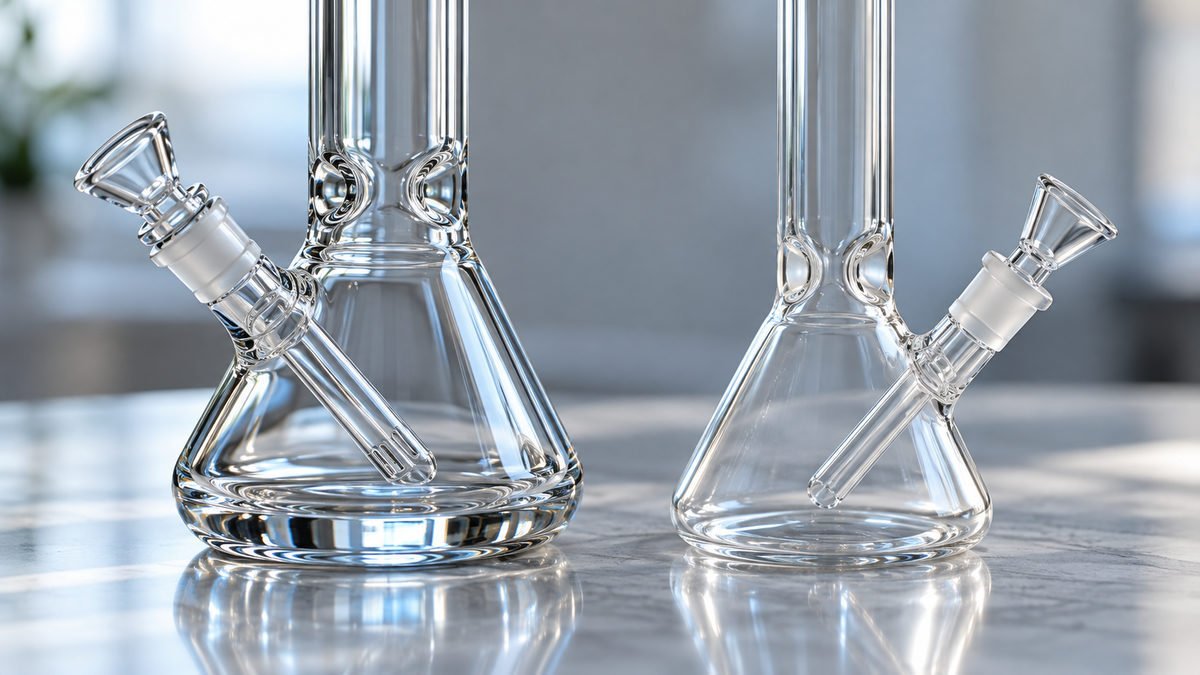
Beaker bongs have a wide, angled base that holds more water. Their broader footprint usually improves stability, especially on a desk or coffee table. They also provide a larger chamber, which many buyers prefer for cooler filtration.
Straight tube bongs use a narrow vertical body with a smaller footprint. They often provide direct airflow and a simple internal path. Meanwhile, their taller shape may feel less stable unless the base is wide and well-finished.
Choose a beaker design when stability and water capacity matter most. Select a straight tube when you prefer a compact footprint, simpler cleaning, and a more direct draw.
Recyclers and Scientific Glass Layouts
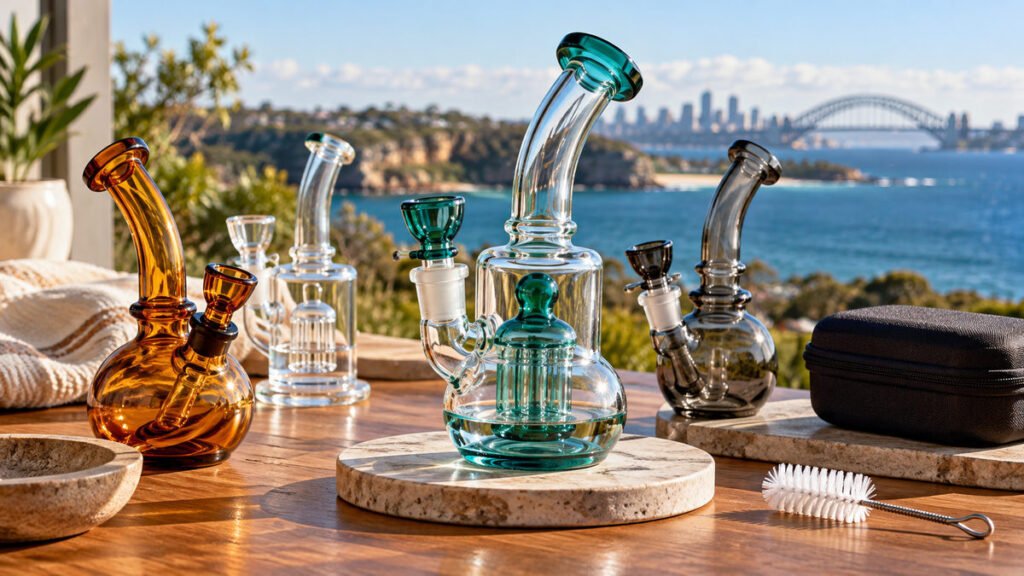
Recycler bongs circulate water through connected chambers. This movement can repeatedly cool the smoke while maintaining a dynamic water path. Nevertheless, recyclers often require more water-level adjustment and careful cleaning.
Scientific glass bongs typically use precise joints, removable components, and engineered filtration chambers. Their layout may include fixed percolators, diffused downstems, or multiple pathways. As a result, they can offer impressive filtration, but they also need closer attention during maintenance.
Percolators, Downstems, and Ice Catchers
Common percolator styles include honeycomb, tree, showerhead, inline, and matrix designs. Honeycomb models create many small bubbles, while tree percolators split airflow through multiple arms.
- Showerhead percolators: Offer broad downward diffusion and relatively straightforward cleaning.
- Inline percolators: Create a long horizontal diffusion path with a distinctive airflow feel.
- Matrix designs: Provide extensive bubbling, but may create higher draw resistance.
- Honeycomb designs: Deliver strong diffusion through many openings, which can clog without regular cleaning.
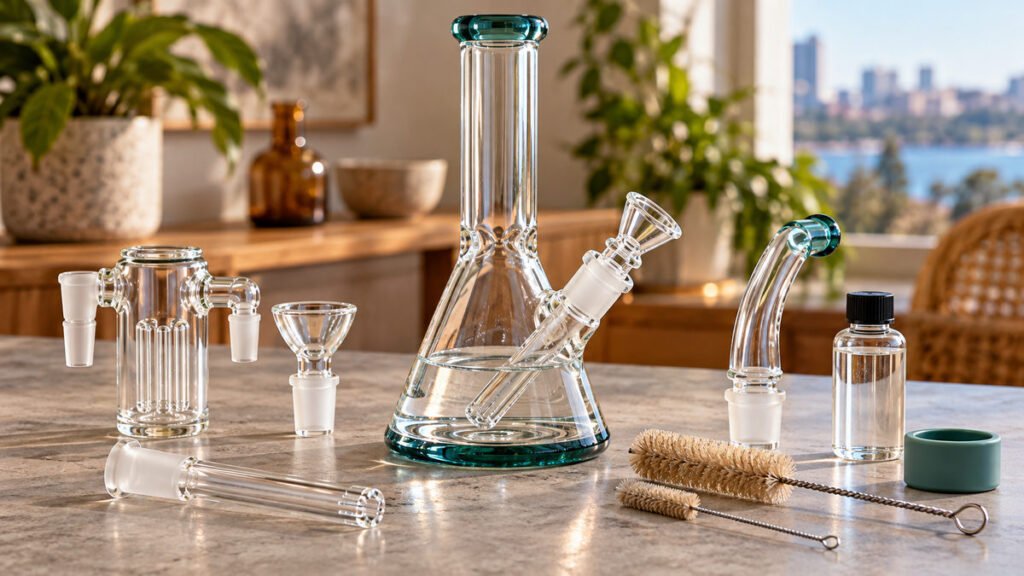
Diffused downstems add small openings near the waterline. Removable bowls make cleaning and replacement easier, while fixed percolators reduce loose parts but complicate access.
Airtight joints also matter. Poor tolerances can create leaks, weak airflow, or unwanted movement between components.
Ice catchers can be worthwhile if you prefer extra cooling. However, they add height, increase splash risk, and create another area where residue can collect. Therefore, buy one when you value cooling more than compact storage and simple cleaning.
3. How to Choose the Right Size, Thickness, and Features
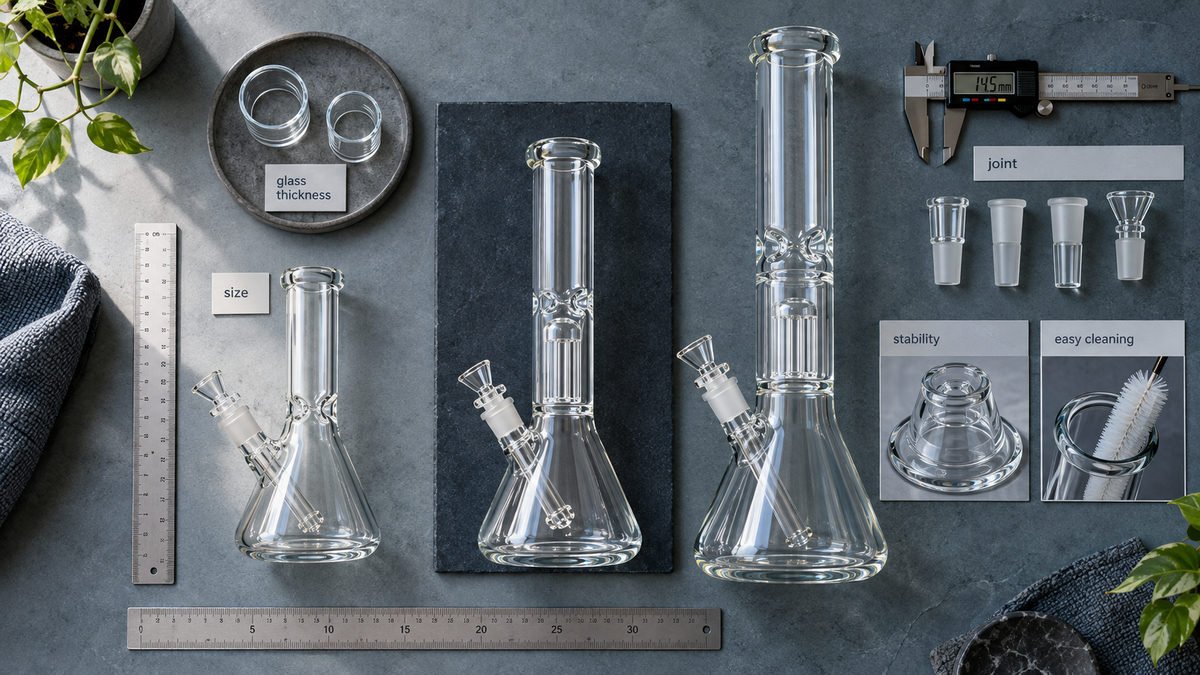
Size affects more than appearance. Compact bongs suit portability and smaller spaces, while medium models often balance stability, water capacity, and manageable cleaning. Compare wall thickness in our guide to thick glass bongs.
Larger bongs can hold more water and feel steadier when their bases are proportionate. However, they also weigh more, require more storage space, and may become awkward to transport.
Look beyond the overall height. Evaluate chamber volume, base diameter, joint size, mouthpiece comfort, and the position of the bowl. A tall bong with a narrow base may be less practical than a shorter model with better balance.
Glass Thickness and Construction
Glass thickness affects impact resistance, weight, stability, heat retention, and price. Thick glass usually tolerates everyday knocks better, although no thickness removes the risk of breakage.
When inspecting a thick glass bong, look for consistent walls rather than thickness in only one visible area. Reinforced joints, rounded edges, a solid base, and clean welds also suggest better construction.
- Check that the base sits flat without rocking.
- Look for even glass around joints and openings.
- Avoid sharp edges or visibly thin stress points.
- Inspect the mouthpiece for a smooth, comfortable finish.
- Confirm that the bowl and downstem fit securely.
Clear glass bongs make it easier to monitor water levels, residue, cracks, and blocked percolators. Coloured or decorated glass can look distinctive, but dark finishes may hide buildup.
Choose clear glass when inspection and simple cleaning matter most. Select coloured glass when appearance and personal style carry more importance.
Features Worth Considering
Useful features include ice catchers, splash guards, diffused downstems, removable bowls, ash catchers, and compatible adapters. The right combination depends on your cleaning habits and preferred airflow.
Ash catchers can reduce residue entering the main chamber. However, they add another joint, another water chamber, and another component to clean.
Percolator configuration also changes draw resistance and water volume. A simple downstem usually offers easier airflow and maintenance. A multi-percolator design can create more diffusion, but its complex path may trap residue.
Additionally, consider replacement compatibility before buying. A common joint size can make it easier to find bowls, downstems, adapters, screens, and mouthpiece attachments later.
4. How Much Do Borosilicate Glass Bongs Cost?
Borosilicate glass bong prices vary widely across Australia. Entry-level models generally focus on simple chambers, basic downstems, and lower production complexity. Compare local prices in glass bongs Australia.
Mid-range models often add thicker walls, more stable bases, removable components, and improved joint tolerances. Premium models may include intricate percolators, hand-finished connections, stronger construction, and distinctive artistic work.
| Price tier | Typical characteristics | Best suited to |
|---|---|---|
| Entry-level | Simple design, basic filtration, fewer components | Buyers prioritising affordability and easy cleaning |
| Mid-range | Better thickness, stable bases, improved joints, added features | Regular users seeking balance |
| Premium | Complex percolation, refined craftsmanship, specialised layouts | Collectors and experienced glassware buyers |
Thicker walls, complex percolation, hand-finished joints, precision tolerances, and reputable craftsmanship usually increase cost. However, decorative colours, novelty shapes, and extra glass arms may add expense without improving performance.
Therefore, compare function before visual detail. Ask whether each feature improves stability, filtration, airflow, cleaning access, or replacement options.
- Is the material clearly identified as borosilicate glass?
- Does the listing state thickness or construction details?
- Are the joints airtight and compatible with replacement parts?
- Does the design provide useful filtration without excessive complexity?
- Are bowls, downstems, adapters, or screens included?
- Does the retailer explain packaging, warranty, and breakage procedures?
- Can you find compatible replacement parts?
Be cautious with vague phrases such as “premium glass”, “scientific glass”, or “heavy duty”. Product photos should show joints, bases, openings, and overall construction clearly.
Australian buyers should also check shipping protection, retailer compliance, local age restrictions, and applicable laws. A lower purchase price offers little value if the packaging is weak or replacement parts are unavailable.
5. How to Clean, Use, and Maintain a Glass Bong
Before use, inspect the bong for chips, cracks, sharp edges, or loose connections. Add only the recommended water level, keep the base stable, and avoid overheating any single area. Follow our guide on how to clean a glass bong.
Use the water pipe only for its intended lawful purpose. Never assume that filtration makes inhalation harmless, and never share mouthpieces without cleaning them properly.
Cleaning Steps
- Empty old water and rinse the bong with warm water.
- Remove the bowl, downstem, ash catcher, and other detachable parts.
- Add a suitable bong cleaning solution or isopropyl alcohol where legally and safely appropriate.
- Use coarse salt as a gentle abrasive for accessible residue.
- Cover openings and carefully rotate the solution through the chamber.
- Use suitable brushes for the base, mouthpiece, downstem, and wider tubes.
- Rinse every component thoroughly with warm water.
- Allow the parts to dry fully before reassembly.
Do not force brushes through narrow percolator openings. Fragile arms and honeycomb sections can crack under pressure. Instead, soak removable parts and use gentle movement until residue loosens.
Clean removable bowls and downstems separately. Ice catchers also need attention because water and residue can collect around their openings.
Change bong water frequently, especially when it looks cloudy or contains visible residue. Remove buildup promptly because old residue becomes harder to dissolve.
Additionally, inspect joints, seals, bases, and mouthpieces during each cleaning session. Replace damaged components rather than continuing with chipped or unstable glass.
Accessories, Storage, and Common Drawbacks
Compatible accessories may include ash catchers, replacement bowls, downstems, adapters, screens, mouthpiece attachments, cleaning brushes, and protective cases. Check joint size and angle before ordering replacement parts.
For storage, separate removable components and use a padded case during transport. Avoid extreme temperatures, crowded cupboards, and unstable shelves. Keep the bong away from children and pets.
Glass offers excellent clarity and a clean-looking design, but it still requires regular care. Common drawbacks include breakage risk, clogging, water splash, weight, cleaning time, and limited portability.
6. Quality Checklist and Final Buying Recommendations
A quick inspection can reveal more than an attractive product photo. Confirm the material, construction, joints, base, and included components before purchasing. Learn how to inspect glass bong quality before buying.
- Verified borosilicate material
- Even wall thickness
- Polished edges and a level mouthpiece
- Stable, flat base
- Airtight joints
- Secure bowl and downstem
- Clean welds without visible stress marks
- Protective packaging and clear specifications
Warning signs include cloudy glass, rough seams, wobbling bases, loose joints, sharp edges, thin stress points, poor packaging, and unclear material claims.
Choose a compact model for portability, a beaker for maximum stability, and a percolator design for stronger diffusion. Select a simpler straight tube when you prefer direct airflow, easier cleaning, and a smaller footprint.
Finally, match the bong to your budget, experience, intended lawful use, and maintenance preferences. The best choice is the model whose thickness, filtration, stability, accessories, and replacement options you can manage confidently.
Conclusion
Borosilicate glass bongs offer strong heat resistance, clarity, and dependable performance. However, the right choice also depends on design, thickness, filtration, stability, cleaning demands, accessories, and price.
A carefully inspected beaker, straight tube, recycler, or percolator model can provide the right balance of durability and functionality. Use the checklist to compare compliant retailers and choose borosilicate glass bongs with verified materials, secure craftsmanship, suitable features, and reliable replacement parts.
For Australian shoppers, Sweet Puff Australia provides a starting point for exploring glassware and related accessories. Always confirm product specifications, retailer policies, age requirements, and local laws before purchasing.