
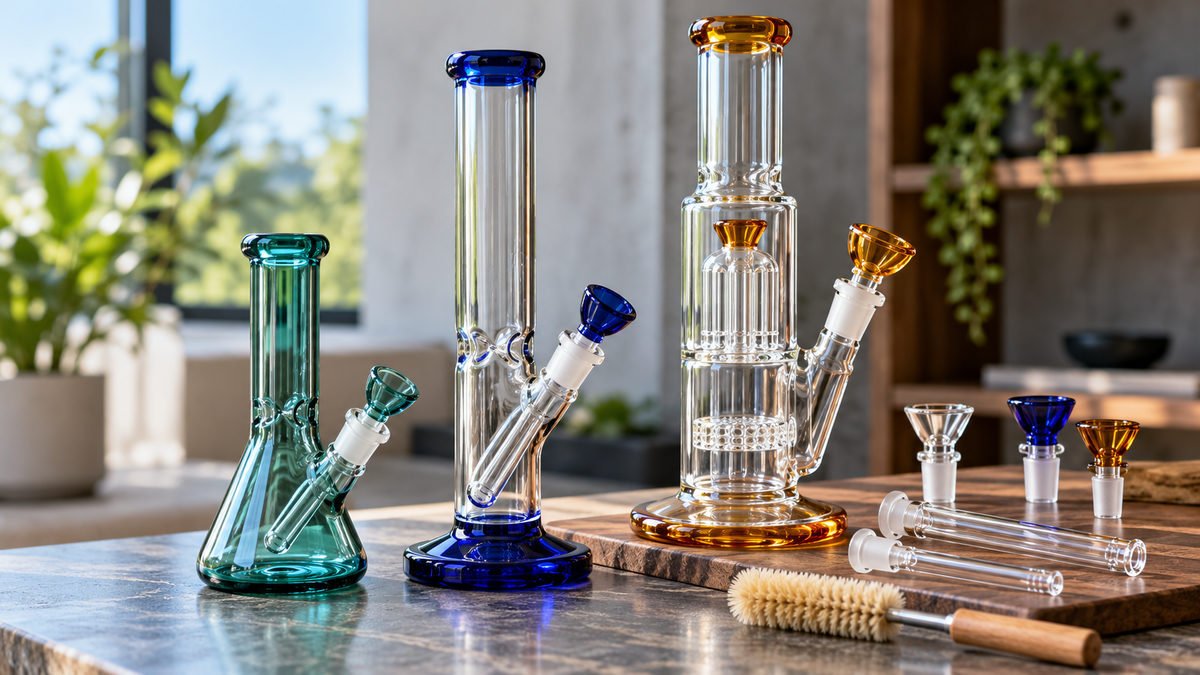
Choosing a glass bong can feel complicated when dozens of shapes, sizes, materials, and features look similar. A glass bong buying guide helps you avoid paying for unnecessary extras or choosing the wrong fit. You can compare glass quality, size, filtration, compatibility, price, cleaning, and seller policies with confidence. Therefore, this step-by-step guide focuses on practical details that matter every day.
1. Glass Bong Buying Guide: Start With the Essentials
Understand the benefits and limitations
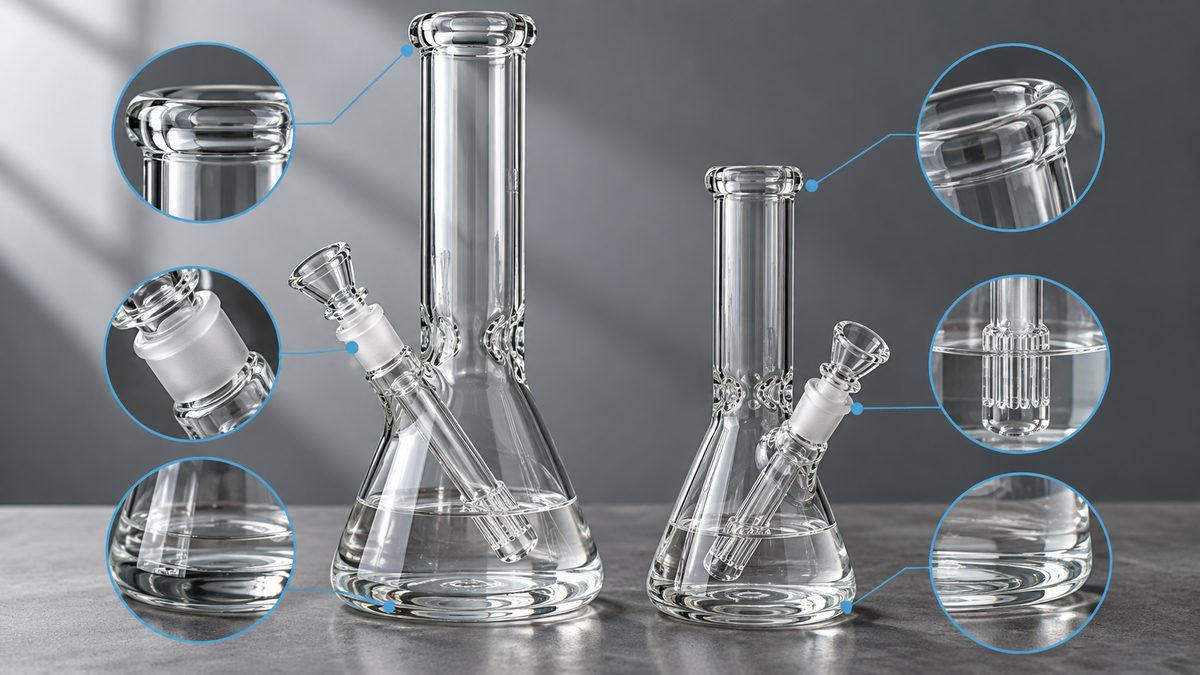
Glass remains popular because it preserves flavour and shows how water and smoke move through the chamber. Additionally, glass allows manufacturers to create straight tubes, beakers, bubblers, recyclers, and detailed scientific designs. You can also inspect the water level and build quality before using the bong. Compare local options in our guide to glass bongs in Australia.
However, glass requires careful handling. A quality bong can still crack after falling from a bench or receiving a sharp impact. Therefore, choose a design that suits your storage space, transport needs, and daily routine.
Check the glass type
For most buyers, heat-resistant borosilicate glass offers the best balance of performance and reliability. It handles temperature changes better than ordinary soda-lime glass. For more technical information, read this overview of borosilicate glass.
Moreover, borosilicate glass does not mean unbreakable glass. It can still suffer thermal shock, chips, cracks, or stress damage. Avoid pouring very hot water into a cold bong, and never assume thickness alone guarantees safety.
Evaluate glass thickness
Glass thickness often ranges from lighter, slimmer construction to heavier designs around several millimetres thick. Thicker walls can improve impact resistance, stability, and the overall feel in your hand. However, thicker glass usually adds weight, cost, and storage requirements.
Therefore, assess thickness alongside craftsmanship and base design. A well-made medium-thickness bong with a wide, stable base may perform better than a poorly finished heavy model. Look for a balanced design instead of chasing the largest thickness figure.
Inspect craftsmanship
Before buying, study every visible connection and opening. Clean welds, even walls, smooth joints, polished openings, and aligned downstems suggest careful manufacturing. Additionally, the base should sit flat without rocking on a level surface.
- Check for chips around the mouthpiece and joint.
- Look for cracks, bubbles, cloudy patches, or stress marks.
- Inspect welds for rough edges and uneven joins.
- Confirm the downstem points straight into the chamber.
- Make sure the bowl and mouthpiece fit comfortably.
Consider stability and handling
A wide base helps prevent accidental tipping during regular use. Meanwhile, a lower centre of gravity can make a taller bong feel more secure. Protected joints also reduce the chance of damaging fragile connection points.
Finally, consider comfort. The mouthpiece should feel natural, the height should suit your seating position, and the bong should fit your preferred storage area. A practical design often beats a more impressive-looking model.
2. Compare the Main Types of Glass Bongs
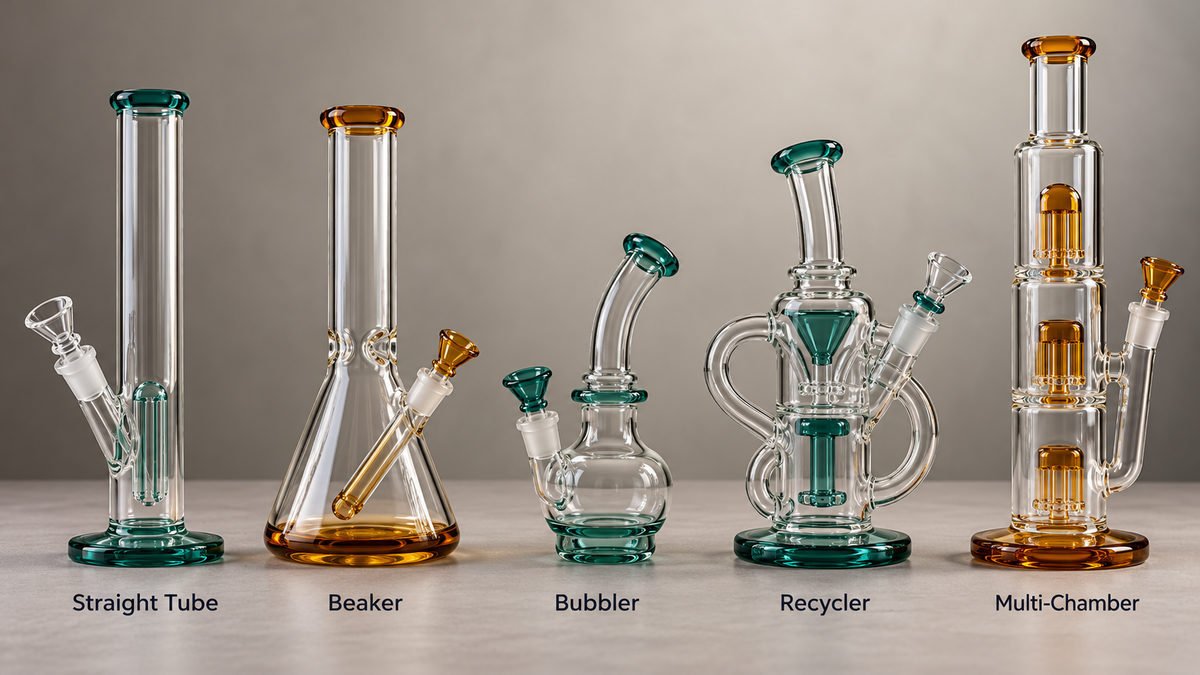
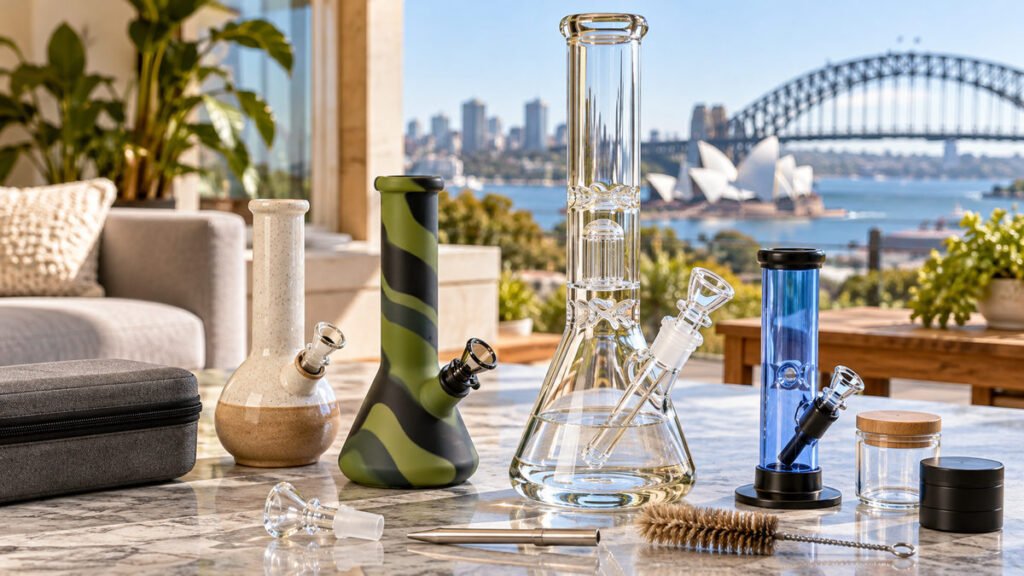
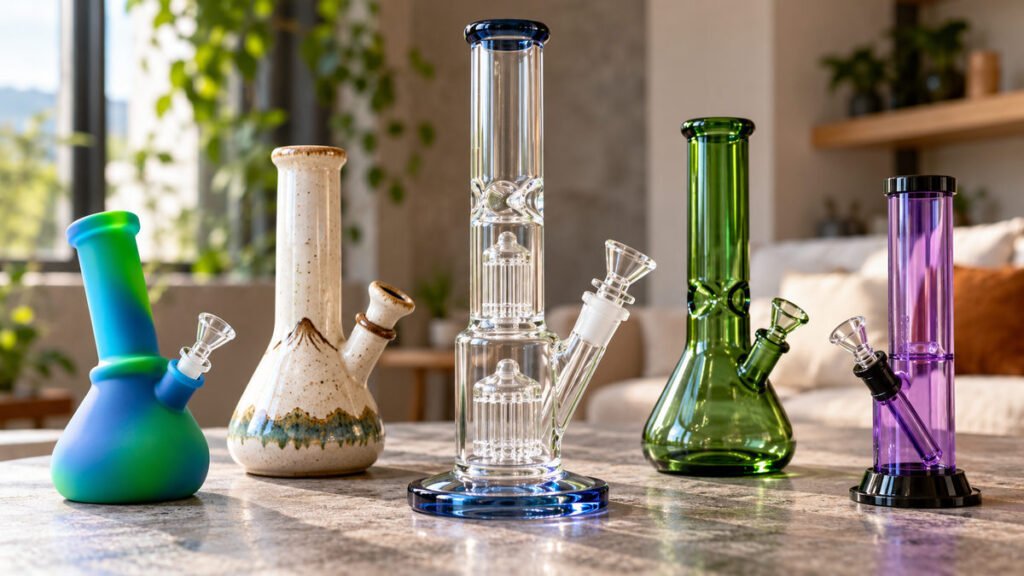
Straight tube bongs
Straight tube bongs use a simple vertical chamber with direct airflow. Their compact footprint makes them easy to place on a shelf or desk. Additionally, the open shape makes water movement easy to see and cleaning relatively straightforward. Compare the two most popular shapes in beaker vs straight tube bong.
These bongs can suit experienced buyers who prefer simple airflow and fewer parts. However, some straight tubes have less water capacity and stability than beaker designs. Therefore, check the base width before choosing a tall model.
Beaker bongs
Beaker bongs use a wider lower chamber that holds more water. The shape usually improves stability and provides a comfortable draw. Moreover, the larger chamber can create more space for cooling and diffusion.
The trade-off involves size and maintenance. A broad base may take more room in a cupboard or protective case. It may also require more cleaning solution, especially when the chamber becomes heavily coated.
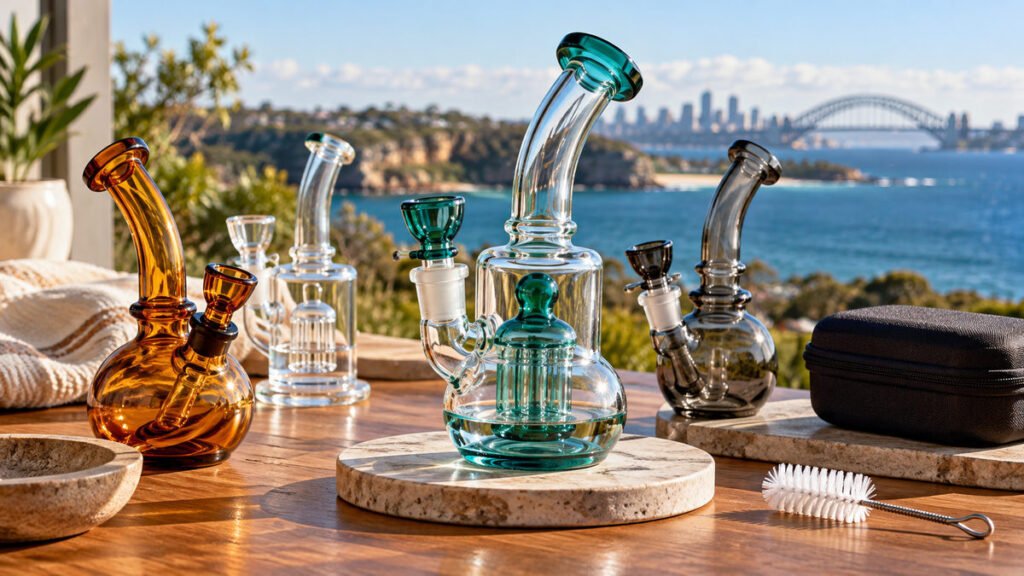
Bubblers
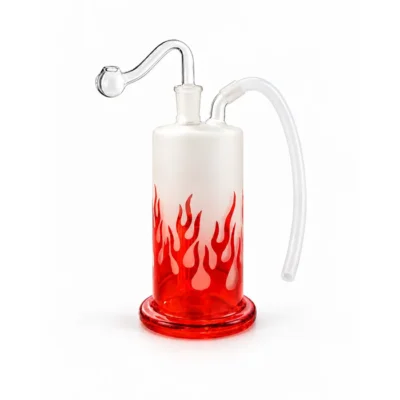
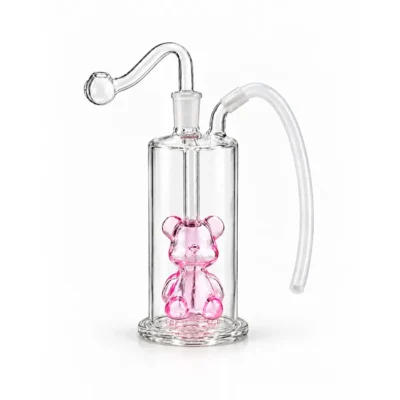
Bubblers are smaller glass water pipes designed for convenience and compact storage. Their reduced size makes them easier to transport and place in smaller living spaces. Additionally, many bubblers combine a bowl and water chamber in one compact piece.
However, smaller chambers offer less water volume and filtration distance. They may also provide fewer options for advanced accessories. Bubblers suit buyers who value portability more than maximum capacity.
Recycler bongs
Recycler bongs circulate water through connected chambers during use. This movement can create repeated water contact, cooling, and visual diffusion. Therefore, recyclers often appeal to buyers who prioritise a smooth, active filtration experience.
However, their pathways can be harder to clean thoroughly. Complex tubing also increases the price, weight, and potential breakage risk. Make sure you have enough storage space before choosing one.
Multi-chamber and scientific glass bongs
Multi-chamber designs add extra sections for filtration, cooling, or visual appeal. Precision components can create distinctive airflow and impressive movement. However, additional chambers increase size, weight, price, and maintenance requirements.
Scientific glass bongs may suit collectors or experienced users who enjoy detailed construction. Nevertheless, more components create more areas where residue can build. Choose complexity only when you understand the cleaning commitment.
Match the design to the buyer
- Beginners often benefit from a medium beaker or simple straight tube.
- Home users may prefer larger bases and comfortable chamber capacity.
- Portability-focused buyers should consider a bubbler or compact straight tube.
- Smoothness-focused users may prefer a quality percolator or recycler.
- Collectors may enjoy multi-chamber designs and unusual scientific shapes.
- Easy-cleaning buyers should choose fewer chambers and wider openings.
3. Choose the Right Size, Filtration, and Glass Bong Features
Use the bong size guide
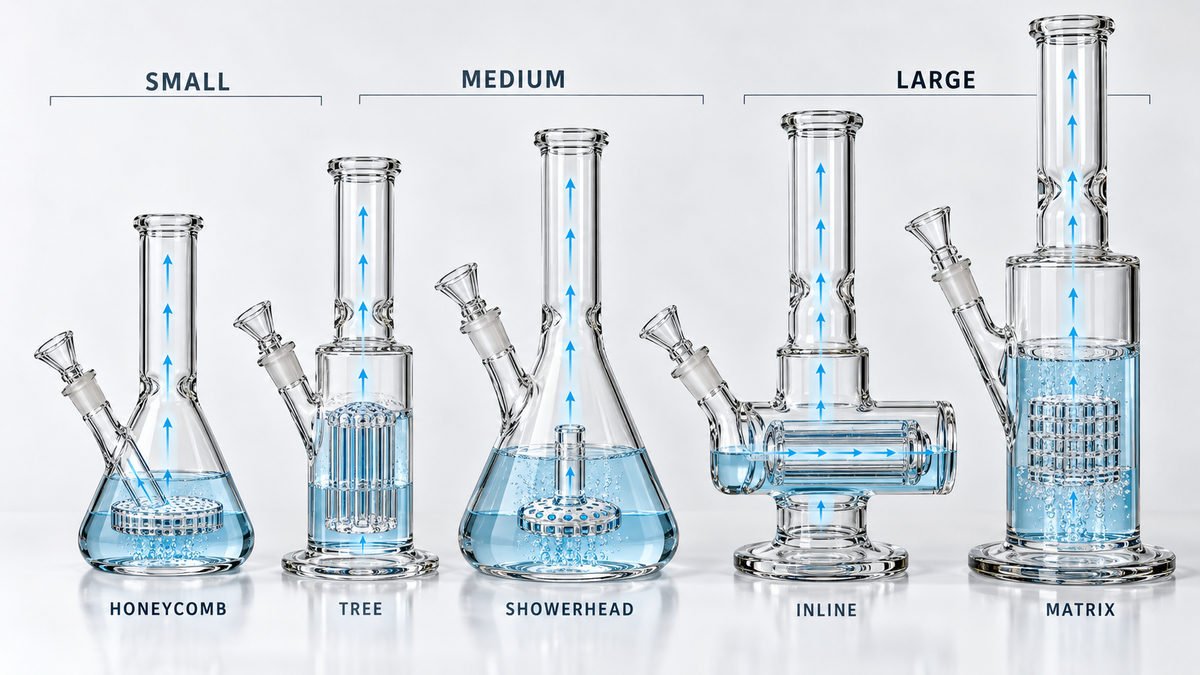
Small bongs usually measure around 15 to 25 centimetres. They offer easier storage and transport but provide less water volume and filtration distance. Medium models often balance portability, stability, cooling, and daily comfort. For extra durability, look at thick glass bongs.
Large bongs can provide more chamber space, water capacity, and visual diffusion. However, they need more storage room and cleaning solution. Therefore, choose size according to your setting rather than assuming bigger always means better.
| Size | Best qualities | Common trade-offs |
|---|---|---|
| Small | Portable, compact, simple to store | Less water capacity and stability |
| Medium | Balanced comfort, cooling, and handling | Moderate cleaning and storage needs |
| Large | More capacity, cooling, and visual diffusion | Heavier, bulkier, and harder to clean |
Is larger always better?
A larger chamber may offer more cooling and a longer path through water. Additionally, it can create more visible diffusion when paired with a suitable percolator. However, larger designs require more water and may feel awkward for beginners.
They also take longer to clean and can become unstable if the base is narrow. In contrast, a medium bong often delivers a more manageable balance. Focus on comfort, storage, and cleaning before choosing extra height.
Understand percolator types
Percolators break water movement into smaller bubbles or pathways. Tree percolators use branching arms, while honeycomb designs use many small openings. Showerhead and matrix percolators provide broad diffusion across a compact area.
Inline percolators use horizontal tubes, while turbine percolators create spinning water movement. Each design changes airflow, draw resistance, appearance, and cleaning difficulty. Therefore, study the internal pathways before choosing a visually impressive model.
Do percolators make a bong better?
More diffusion does not automatically create a better experience. A complex percolator may feel smoother, but it can also increase draw resistance and cleaning time. Some designs may also create more splashback if filled incorrectly.
Instead, balance smoothness, airflow, splash control, price, and maintenance. A simple diffused downstem may suit one buyer better than a multi-percolator design. Experienced users can choose advanced filtration when the extra care feels worthwhile.
Prioritise useful features
- Ice catchers can hold ice above the water chamber.
- Splash guards can help limit water reaching the mouthpiece.
- Diffused downstems can improve water movement.
- Removable components can simplify cleaning and replacement.
- Reinforced joints can support better long-term handling.
- Water-level markings can make filling more consistent.
Choose for usability
Beginners usually benefit from simple filtration and accessible chambers. These designs make water levels easier to understand and cleaning less frustrating. Meanwhile, experienced buyers may appreciate advanced percolation and recycling pathways.
Before paying more, ask whether the feature improves your routine. If it adds only visual appeal, the extra cost may not provide practical value. A reliable, easy-to-clean bong often delivers the better long-term purchase.
4. Check Compatibility: Downstems, Bowls, Joints, and Accessories
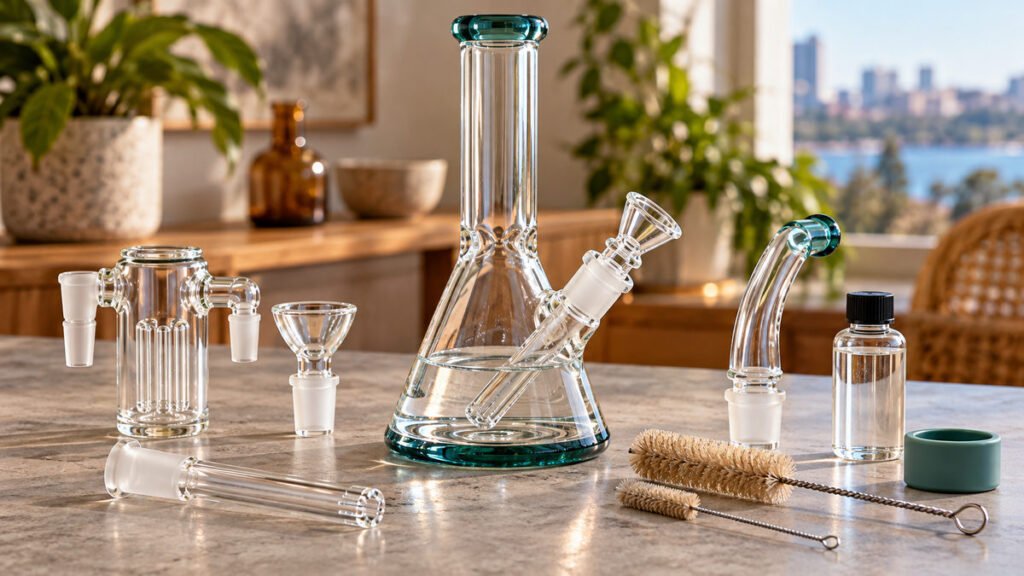
Follow the bong downstem guide
Fixed downstems remain attached to the bong, while removable downstems allow easier cleaning and replacement. The downstem must reach the correct depth without touching the chamber bottom. Additionally, diffuser slits should sit below the waterline without creating excessive drag. Most pieces use one of two standards; compare 14mm vs 18mm bong joints.
An incorrectly sized downstem can reduce filtration or cause splashback. Therefore, check the required length, joint position, diffuser style, and water level before ordering replacement parts. Product measurements matter more than general descriptions.
Understand joint sizes and genders
Bongs commonly use different joint diameters and connector formats. The bong, bowl, downstem, and accessories must match correctly. A small measurement difference can make a part unusable or create an unsafe fit.
Measure the joint before buying replacement glass. Check both diameter and connector type, then confirm whether the part uses a male or female connection. Never rely on product photos alone.
Select the right bong bowl size
A bowl should suit your preferred capacity and fit the bong joint securely. Consider its grip design, cleaning access, and compatibility with a glass screen. Additionally, confirm whether the bowl is designed for dry material or concentrates.
Smaller bowls can suit shorter sessions and easier cleaning. Larger bowls may hold more material but can require more careful handling. Choose a shape that remains comfortable when removing it from the joint.
Build a practical accessory kit
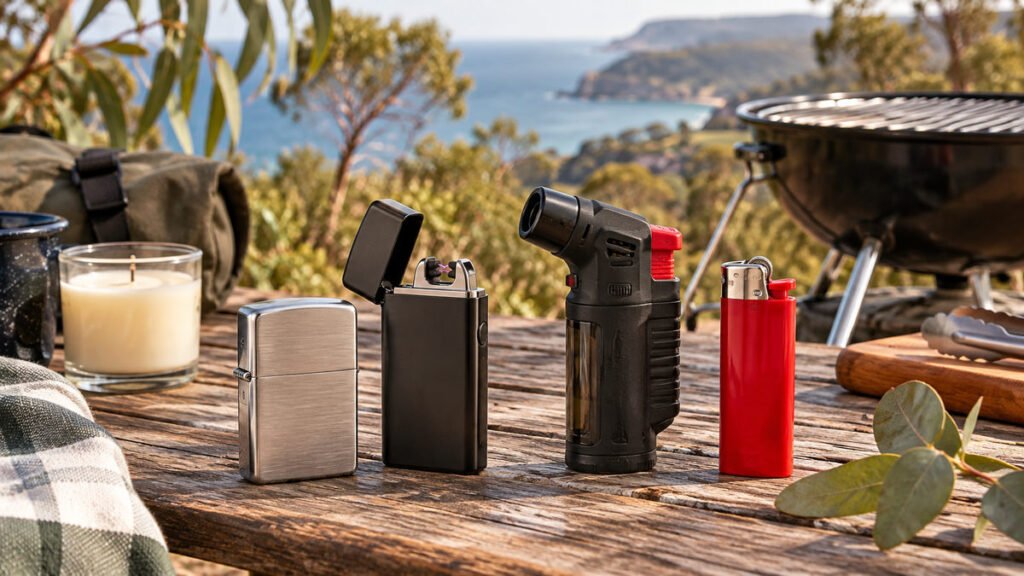
- A suitable lighter or heating tool, where legally appropriate.
- A compatible glass screen.
- A cleaning brush set for chambers and downstems.
- Isopropyl alcohol and coarse cleaning salt, where legally appropriate.
- A replacement downstem and spare bowl.
- A protective case for transport.
- Airtight storage for loose accessories.
Confirm accessory compatibility
Premium glass deserves compatible replacement parts. Before checkout, verify dimensions, joint size, connector type, included components, and replacement availability. This check can prevent expensive mistakes after delivery.
5. Compare Glass Bong Prices, Durability, and Online Sellers
Use a glass bong price guide
Budget bongs often focus on simple shapes, lighter construction, and basic filtration. Mid-range models may offer thicker glass, stronger bases, better joints, and removable parts. Premium designs usually add complex filtration, detailed craftsmanship, or distinctive scientific construction. Here is how to inspect glass bong quality before you buy.
However, price alone does not prove quality. Compare glass thickness, design complexity, craftsmanship, filtration, brand reputation, and included accessories. A simpler model with reliable construction may offer better value than a decorative design.
Identify features worth paying for
- Quality borosilicate glass.
- A stable, well-designed base.
- Clean welds and reliable joints.
- Replaceable downstems and bowls.
- Practical filtration for your experience level.
- Strong protective packaging.
Moreover, prioritise features that improve handling and maintenance. Decorative complexity can look impressive, but it may increase breakage risk and cleaning effort.
Assess durability realistically
Even a durable glass bong remains breakable. Reinforced joints, thicker walls, wide bases, and protective cases can reduce everyday risks. Nevertheless, careful storage matters just as much as the original construction.
Avoid sudden temperature changes and never place hot glass on cold or wet surfaces. Keep the bong away from table edges, crowded shelves, children, and pets. Transport loose glass parts separately inside padding.
Check the product listing
A trustworthy listing should provide clear photos from several angles. It should also state exact height and width, glass thickness when available, joint measurements, bowl details, downstem information, water capacity, and included components.
Additionally, look for honest condition notes. Sellers should disclose cosmetic marks, repaired areas, limited accessories, or display-model damage. Vague descriptions make comparison difficult.
Review seller policies
- Read customer reviews for packaging and service patterns.
- Check return, replacement, and damage-claim policies.
- Confirm shipping insurance and claim deadlines.
- Review discreet packaging information.
- Check age verification and local legal compliance.
- Confirm replacement parts remain available.
These details matter because glass can suffer damage during transport. A clear policy gives you a practical solution if the parcel arrives broken or incomplete.
6. Clean, Maintain, and Select Your Best Glass Bong
Follow a bong maintenance and cleaning routine
Empty and rinse the water regularly instead of allowing residue to sit inside the chamber. For deeper cleaning, use suitable cleaning materials and follow the manufacturer’s care guidance. Additionally, brush hard-to-reach areas around the downstem and percolator. Follow our guide on how to clean a glass bong.
Rinse every component thoroughly after cleaning. Remove all cleaning residue before use, then allow each part to dry completely. Regular care can make odours, stains, and buildup easier to manage.
Choose an easy-to-clean glass bong
If maintenance matters, favour removable downstems, accessible chambers, simple percolators, and wide openings. Fewer narrow pathways usually make brushing and rinsing easier. Replaceable parts can also extend the practical life of the bong.
Recycler and multi-chamber designs may require more patience. Their connected pathways can trap residue in places that standard brushes cannot reach. Therefore, choose complex filtration only when you accept the extra cleaning routine.
Store and handle it safely
Keep the bong in a stable, low-traffic location away from children and pets. Use a protective case during transport, and store loose bowls or downstems separately. Moreover, handle water carefully because a full bong becomes heavier and easier to tip.
Never force a stuck glass part. Instead, follow safe cleaning guidance or seek advice from the seller. Gentle handling protects joints, openings, and removable components.
Apply the final decision framework
Before checkout, decide where you will use and store the bong. Then consider your preferred size, desired smoothness, cleaning tolerance, budget, available accessories, and experience level.
A beginner may prefer a medium beaker with a diffused downstem. An experienced buyer may prefer a recycler or advanced percolator. The best choice depends on your routine, not the number of features listed.
Use this practical checklist
- Confirm borosilicate glass.
- Check suitable thickness and a stable base.
- Choose a comfortable height and mouthpiece.
- Verify the joint, downstem, and bowl compatibility.
- Select useful filtration for your experience level.
- Review cleaning access and replacement parts.
- Read seller policies and packaging information.
- Confirm local laws and age requirements.
Include responsible-use considerations
Follow Australian laws and purchase only where legally permitted. Comply with age requirements and seller verification procedures. Additionally, avoid unsafe use and make informed decisions about personal responsibility.
Keep glass products secure and use them only in appropriate settings. If local rules seem unclear, check current guidance from the relevant Australian authority before purchasing.
Conclusion
The best glass bong balances borosilicate glass quality, suitable thickness, stable construction, comfortable size, and practical filtration. It should also include compatible parts, manageable cleaning, and a price that matches genuine features.
Beginners often benefit from a medium-sized beaker or simple straight tube with a diffused downstem. Meanwhile, experienced buyers may prefer advanced percolators or recycler designs. Use the checklist to compare three suitable models, verify measurements and seller policies, then choose the bong that matches your space, budget, experience, and maintenance preferences.
For Australian shoppers comparing glass bongs, accessories, and practical care essentials, Sweet Puff Australia provides a focused place to explore relevant product categories. Always review product details, compatibility information, and local requirements before making your final choice.
Comment (1)
[…] Therefore, compare the main options before choosing a design based only on its appearance. Our glass bong buying guide compares sizes and […]