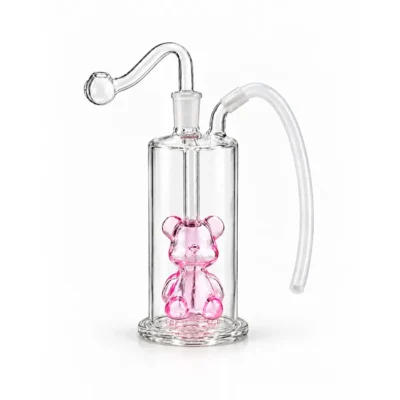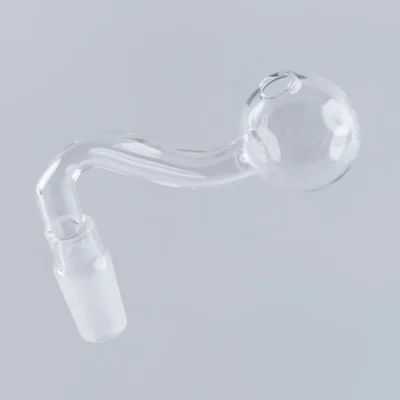
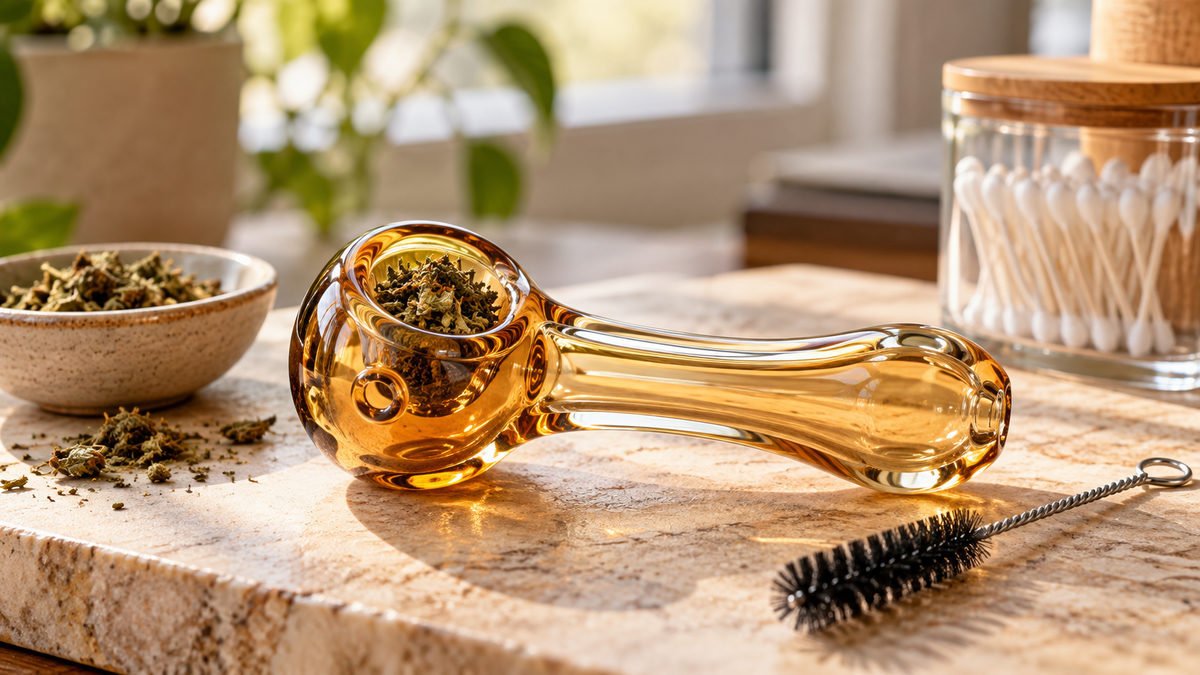
Ever wondered how a small spoon-shaped pipe works or why beginners still choose one? Spoon pipes explained in simple terms can make your first purchase much easier. This guide covers parts, airflow, packing, cleaning, materials, comparisons, and safer buying decisions. It focuses on legal dry herbs, responsible handling, and Australian rules.
1. Spoon Pipes Explained: What They Are and How They Work
A spoon pipe is a compact hand pipe designed to hold and heat legal dry herbs. Unlike a bubbler or water pipe, it does not use water filtration. Instead, the smoke travels directly from the bowl through the pipe and into the mouthpiece.
The name comes from its shape. A rounded bowl sits at one end, while the curved body resembles the handle of a spoon. You may also see spoon pipes called hand pipes, dry herb pipes, or weed pipes. However, always use these products only with substances legal in your location.
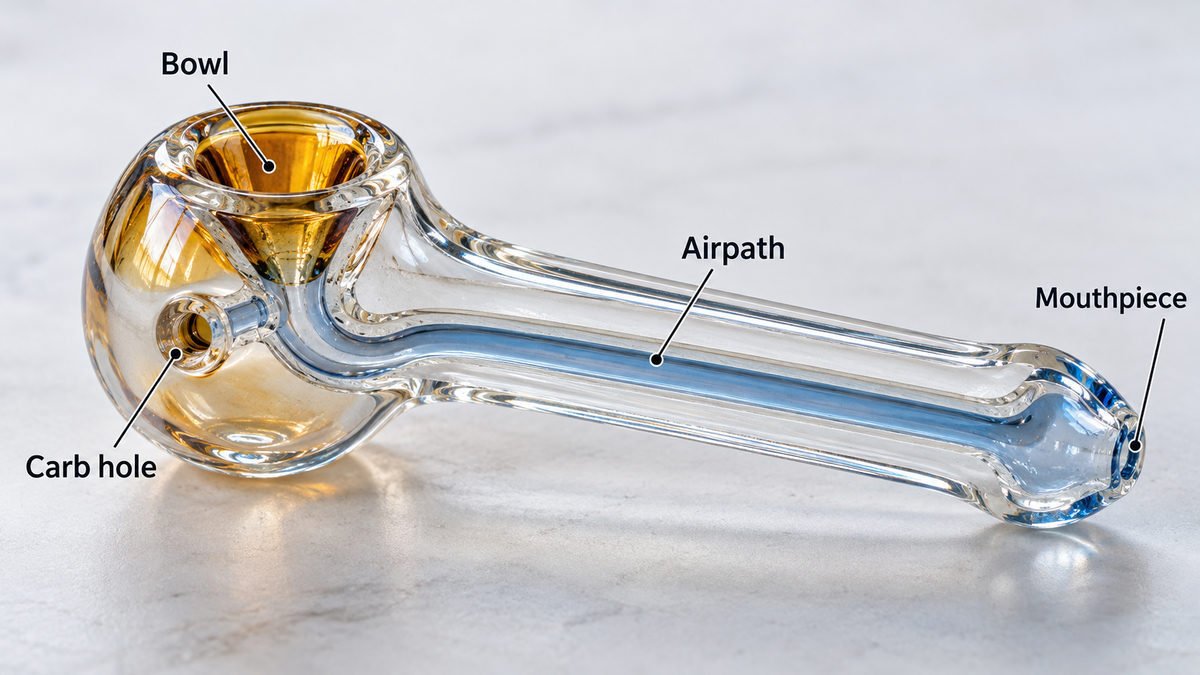
Most spoon pipes include several simple parts:
- Bowl: The small chamber that holds the dry herb.
- Mouthpiece: The end placed near your lips.
- Carb hole: A small opening that controls airflow.
- Airpath: The internal route between the bowl and mouthpiece.
- Exterior body: The section connecting every part.
When heat reaches the herb, the resulting smoke enters the airpath. You draw gently through the mouthpiece, which pulls air through the bowl. Meanwhile, covering the carb hole limits airflow and creates a stronger draw through the bowl.
Releasing the carb hole allows extra air into the pipe. As a result, the smoke usually becomes less concentrated and moves more quickly. Carb holes commonly sit on the bowl’s side or near the front. However, exact placement varies between designs.
Spoon pipes remain popular because they are simple, affordable, and easy to carry. They also need little equipment. However, they provide no water cooling or filtration, so the draw may feel warmer or harsher than a bubbler.
2. How to Use a Spoon Pipe With Legal Dry Herbs
Prepare the Pipe and Herb
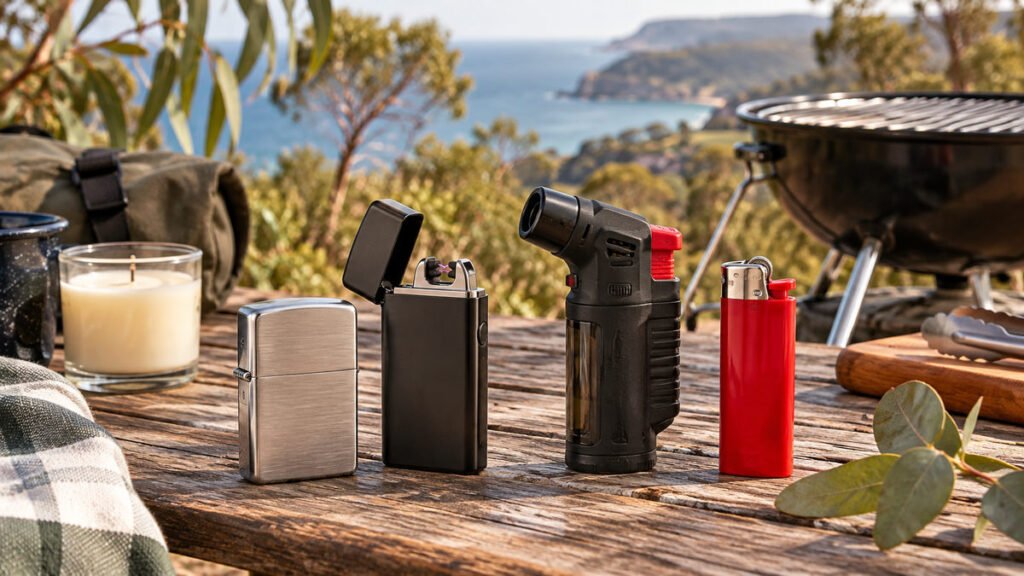
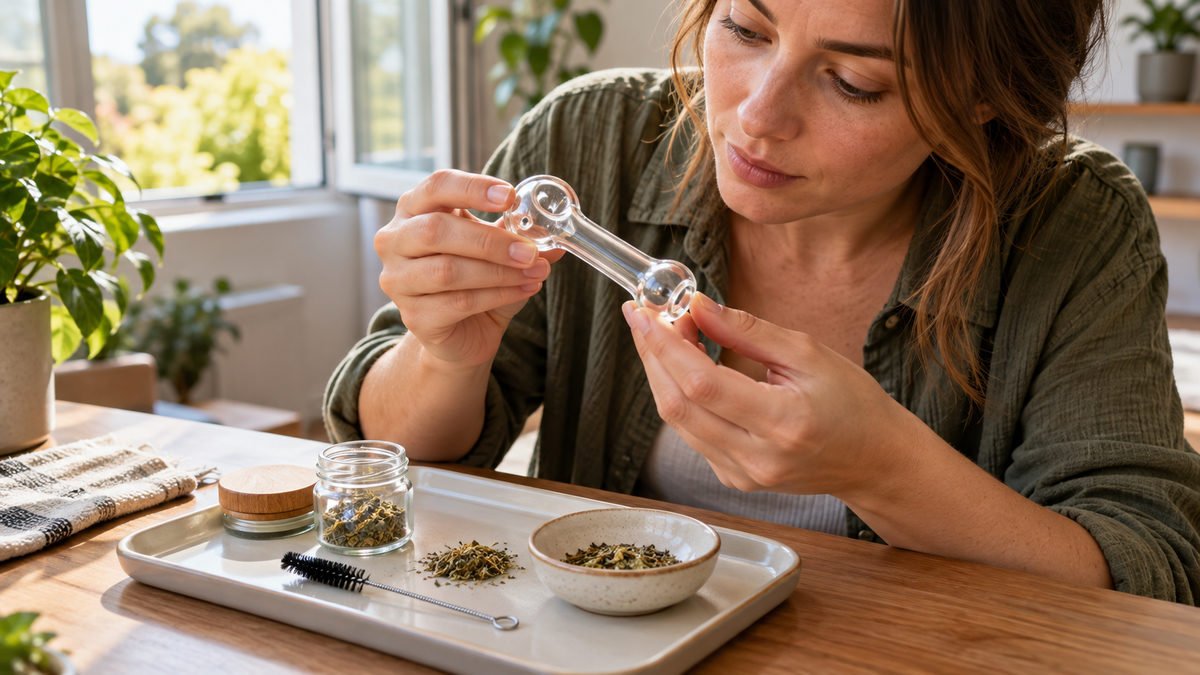
First, inspect the pipe before using it. Check for cracks, sharp edges, loose sections, blocked airflow, or residue near the mouthpiece. Additionally, choose only dry herbs that you can legally possess and use. Choosing a reliable flame? See our guide to lighters in Australia.
Break the herb into a loose, even texture using clean fingers or a clean grinder. Avoid turning it into fine dust. Very fine material can move into the airpath and restrict airflow.
Pack the Bowl Correctly
Place a small amount into the bowl. Pack it loosely enough for air to pass through the material. Overpacking can block the airpath, create uneven burning, and make cleaning more difficult.
For a fresh session, begin with an amount that sits below the bowl’s rim. Therefore, the herb should not spill into the mouthpiece or fall through the pipe. A smaller amount also makes it easier to manage heat.
Begin With Gentle Draws
- Place the pipe securely in your hand or on a heat-resistant surface.
- Keep the mouthpiece clean and positioned comfortably.
- Apply heat carefully to the top of the herb.
- Draw gently through the mouthpiece.
- Use the carb hole according to the pipe’s design.
- Stop heating if the pipe becomes uncomfortably hot.
Many users cover the carb hole while starting the draw. They then release it briefly to introduce fresh air. However, the ideal technique depends on the pipe’s size, bowl shape, and carb placement.
Encourage Even Burning
Gentle draws usually produce better control than forceful inhalation. Excessive airflow can burn the top layer quickly while leaving lower material unused. Additionally, rotating the bowl slightly can help distribute heat when the design allows it safely.
Avoid holding the heat in one place for too long. Therefore, use short, controlled applications instead of prolonged heating. Keep your hands away from the hot bowl, and never place the pipe on flammable materials.
Always use good ventilation. Furthermore, avoid sharing mouthpieces without proper cleaning between users. Never drive, cycle on roads, operate machinery, or handle dangerous equipment while impaired.
3. Choosing the Best Spoon Pipe Materials and Design
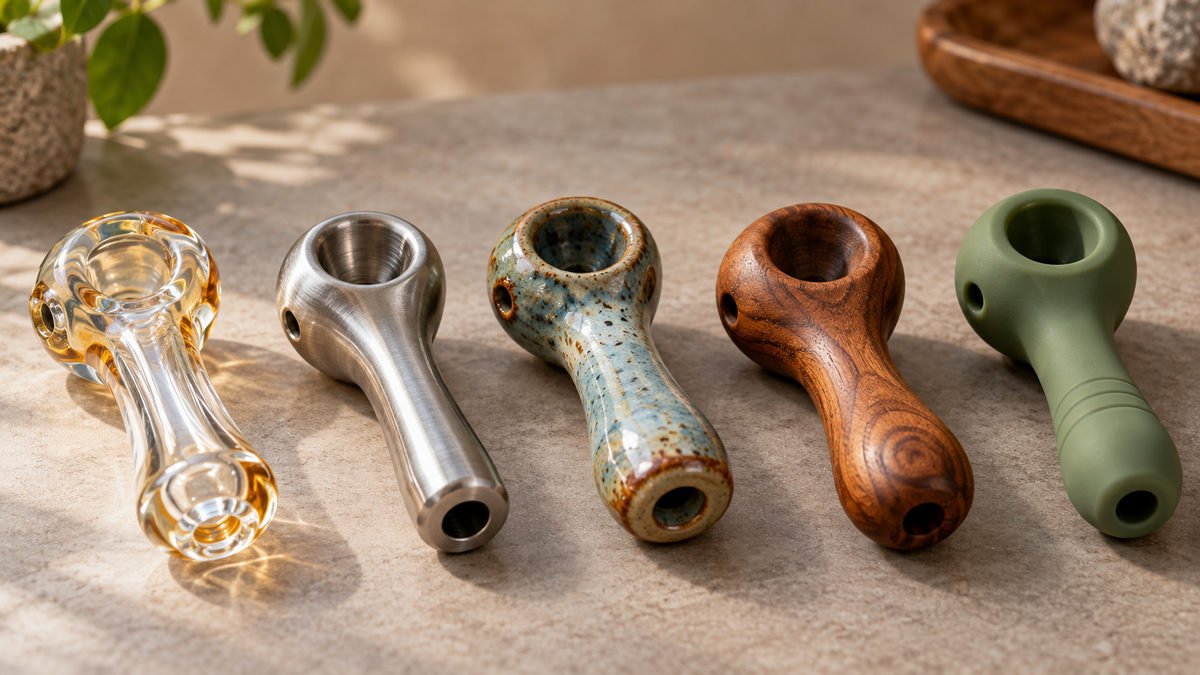
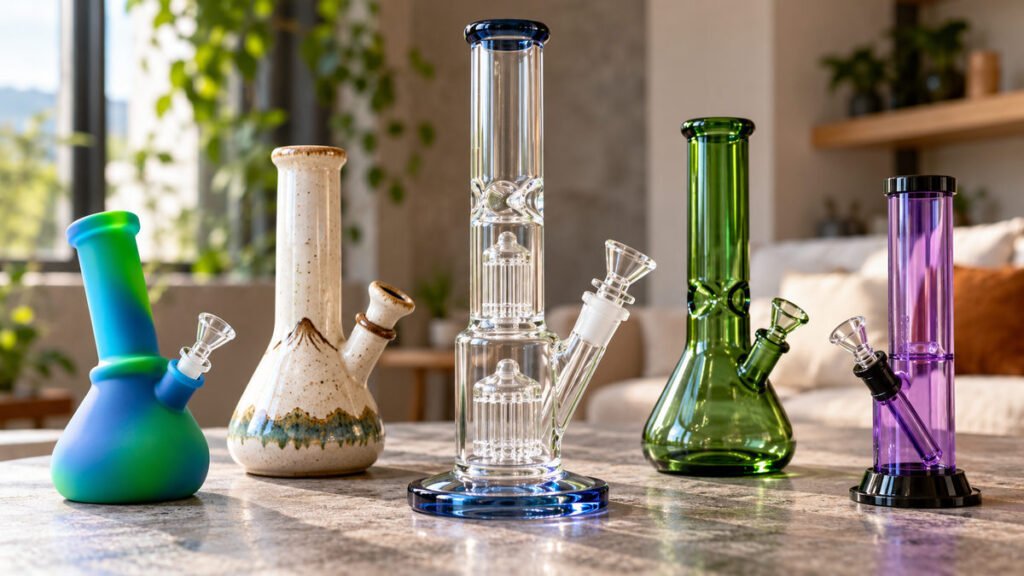
Glass Spoon Pipes
Glass remains a popular choice because it generally offers clean flavour and easy visibility. You can see the bowl, residue, and airflow path clearly. Additionally, quality glass pipes often feature attractive colours, patterns, and skilled craftsmanship. See the trade-offs in glass pipe vs metal pipe.
Look for strong, evenly formed glass with smooth edges. Thicker walls usually handle everyday use better than very thin glass. However, glass can still crack after drops, sudden temperature changes, or rough storage.
Metal Pipes
Metal pipes often suit people who prioritise durability and portability. They can handle knocks that might damage glass. Moreover, many metal designs fit easily into a small protective pouch.
However, metal can transfer heat quickly. Some users may also notice a metallic taste, especially with poor-quality finishes. Therefore, choose reputable products made from clearly identified, heat-safe materials. Avoid unknown coatings, loose paint, or components that produce unusual odours.
Ceramic Pipes
Ceramic spoon pipes offer a smooth surface and strong heat retention. They also support detailed shapes, decorative glazing, and distinctive handmade designs. In contrast, ceramic can chip or crack after impacts.
Inspect the bowl and mouthpiece carefully before every use. A small surface mark may become a sharp edge or deeper crack. Store ceramic pipes separately from hard objects to reduce accidental damage.
Wooden Pipes
Wooden pipes appeal to buyers who prefer a traditional appearance and natural feel. They can develop character over time, especially when maintained carefully. However, wood may retain odours and flavours more readily than glass.
Some wooden pipes require seasoning before regular use. They may also need specialised cleaning and drying. Therefore, follow the maker’s care instructions instead of soaking the pipe without guidance.
Silicone Pipes
Silicone pipes offer flexibility and strong resistance to breakage. They can suit travel or storage situations where glass feels too fragile. However, the material quality matters greatly.
Choose food-grade, heat-safe silicone from a reputable seller. Avoid products with strong chemical smells, sticky surfaces, or unclear material information. Additionally, clean silicone carefully because some residues can cling to flexible surfaces.
Quality Checklist
Before buying, examine the pipe’s practical details. A quality spoon pipe should have:
- A bowl capacity that matches your typical session.
- Even wall thickness and stable construction.
- Clear, comfortable airflow.
- A mouthpiece that feels smooth and natural.
- Securely finished edges without sharp points.
- A carb hole positioned where your finger reaches easily.
- Clean joins, glazing, shaping, or finishing.
A well-made pipe can last for years with careful handling. However, heat stress, drops, residue buildup, and poor materials shorten its lifespan. Therefore, quality construction matters more than decorative details alone.
4. How to Clean a Spoon Pipe and Keep It Working Properly
Why Cleaning Matters
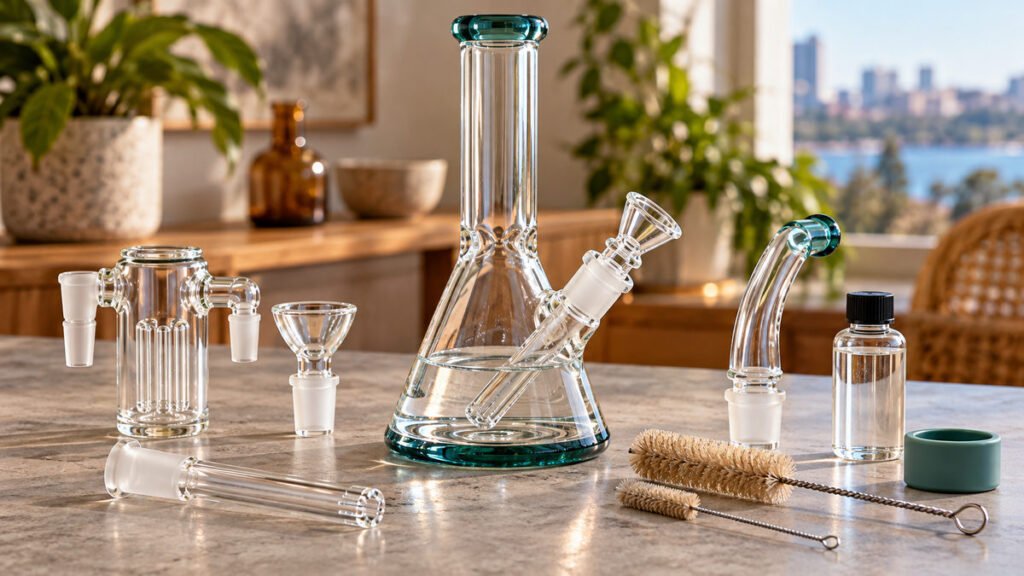
Residue can restrict airflow and change the flavour of legal dry herbs. It may also create harsher draws, unpleasant odours, and hygiene concerns. In fact, a clean pipe usually feels easier to use and simpler to inspect. For more detail, read how to clean a glass pipe.
Clean the pipe when airflow becomes restricted or the flavour changes. Additionally, clean it when residue becomes visible or after several uses. Frequent users may benefit from a regular cleaning routine instead of waiting for a complete blockage.
Basic Cleaning Steps
- Allow the pipe to cool completely.
- Remove loose debris over a suitable bin or disposable surface.
- Use a compatible cleaning solution for the pipe’s material.
- Soak or wipe the pipe according to manufacturer guidance.
- Brush or rinse away loosened residue carefully.
- Allow every part to dry completely before storage or use.
Glass and ceramic often tolerate deeper cleaning than wood or painted finishes. However, silicone, wood, unknown materials, and decorative coatings may require specific methods. Therefore, check the manufacturer’s instructions whenever the material or finish is uncertain.
Avoid sharp tools that can scratch glass, damage glazing, or create small cracks. Instead, use suitable cleaning brushes and gentle pressure. Never use a pipe while cleaning liquid, moisture, or loosened residue remains inside.
Maintenance and Troubleshooting
Clear the bowl after it cools, then store the pipe in a padded case. Keep it away from children, pets, direct heat, and hard objects. Meanwhile, inspect the mouthpiece regularly for sharp edges or stubborn contamination.
- Clogged airflow: Remove residue gently and check the carb hole.
- Harsh draws: Clean the pipe and use gentler heating.
- Uneven burning: Loosen the pack and improve airflow.
- Stale residue: Perform a deeper, material-safe clean.
- Cracked glass: Stop using the pipe and inspect for sharp edges.
Do not use a pipe with sharp cracks, unstable sections, contamination, or mouthpiece damage. Furthermore, discard any pipe that becomes unsafe to hold or clean. Replacement costs less than risking cuts, broken fragments, or unwanted exposure to damaged materials.
5. Spoon Pipe vs One-Hitter, Bubbler, Water Pipe, and Rolling Papers
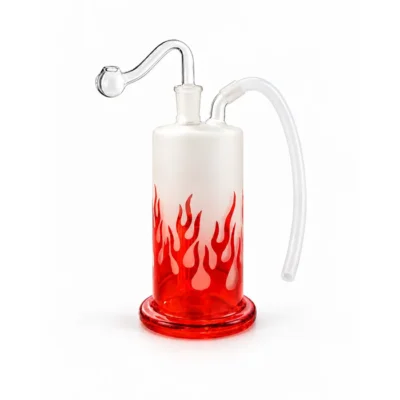
Different smoking accessories suit different preferences. The best choice depends on portability, preparation, airflow, cleaning, and the legal substance involved. Considering water filtration? Read bubbler vs bong.
| Option | Main Features | May Suit |
|---|---|---|
| Spoon pipe | Compact bowl, direct airflow, reusable design | Beginners and simple solo sessions |
| One-hitter | Narrow chamber and smaller capacity | Very small amounts and maximum portability |
| Bubbler | Water filtration with a compact body | People wanting cooler, smoother draws |
| Water pipe | Larger body and stronger filtration | Home use with more equipment |
| Rolling papers | Lightweight, disposable preparation | Users who prefer a paper-based format |
Spoon Pipe Compared With Other Options
A spoon pipe usually has a larger bowl than a one-hitter. It also includes a carb hole, making repeated draws easier. In contrast, a one-hitter uses a narrow chamber for a smaller amount and often offers maximum portability.
A bubbler adds water filtration, which can produce cooler and smoother draws. However, bubblers usually need more cleaning and careful transport. A water pipe offers even more filtration and capacity, but it takes more space and setup.
Rolling papers create less reusable hardware and may produce more waste. Meanwhile, a spoon pipe remains ready after cleaning and does not require rolling skills. However, papers can feel lighter and more familiar for some users.
For portability, a spoon pipe and one-hitter are usually easiest to store. Odour, visibility, property rules, and local laws still matter. Therefore, keep any accessory discreet, secure, and used only where permitted.
Beginners may prefer a spoon pipe because its parts are easy to understand. Someone seeking smoother draws may prefer a bubbler. Meanwhile, maximum portability may favour a one-hitter.
6. Spoon Pipe Buying Guide, Safety Advice, and FAQs
Choose a spoon pipe based on material, wall thickness, size, bowl capacity, airflow, and carb-hole placement. Additionally, consider mouthpiece comfort, craftsmanship, storage, cleaning needs, and budget. For a full checklist, read how to choose a glass pipe.
Beginners often find spoon pipes easy to learn. However, the pipe still requires careful heat handling and airflow awareness. Use only legal substances, and follow local Australian laws and property rules.
Australian drug laws vary between states and territories. Medicinal cannabis also remains regulated, while driving after THC use can create serious legal and safety risks. For current general information, read healthdirect’s cannabis information.
Purchase age-restricted products only where lawful. Avoid unsafe modifications, unknown materials, and hot pipes near curtains, paper, furniture, or other flammable surfaces. Furthermore, store the pipe securely away from children and pets.
Frequently Asked Questions
Are spoon pipes portable?
Yes. Their compact shape fits easily into a padded pouch or secure storage case. However, portability does not override local laws or property rules.
Is glass better than metal or ceramic?
Glass often offers clean flavour and easy cleaning. Metal usually handles impacts better, while ceramic provides decorative designs and strong heat retention.
How much dry herb should I use?
Start with a small amount that sits below the rim. Keep the pack loose enough for air to pass through the bowl.
How long does a spoon pipe last?
A quality pipe can last for years with careful handling and regular cleaning. Drops, heat stress, cracks, and residue buildup can shorten its life.
What should I check before buying?
Look for safe materials, smooth airflow, stable construction, comfortable handling, finished edges, and simple maintenance. Choose a design that suits your legal, personal use case.
Conclusion
A spoon pipe is a compact hand pipe with a bowl, mouthpiece, airpath, and carb hole. Its simple design makes it portable and beginner-friendly. However, material quality, airflow, packing technique, cleaning, and safe handling shape the overall experience.
Use the buying checklist to compare suitable spoon pipes. Then choose a durable, easy-to-clean option and follow all local laws and responsible-use guidelines. Most importantly, stop using any pipe that becomes cracked, contaminated, unstable, or unsafe.
For Australian shoppers exploring pipes and related accessories, Sweet Puff Australia provides a place to browse suitable designs and compare practical features. Always review product details carefully, and choose equipment that matches your lawful personal needs.