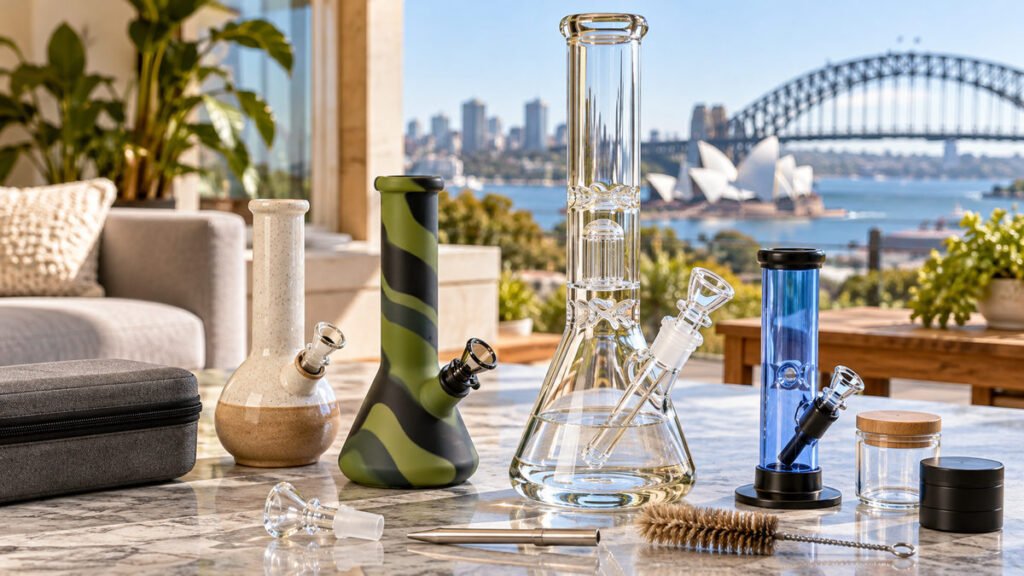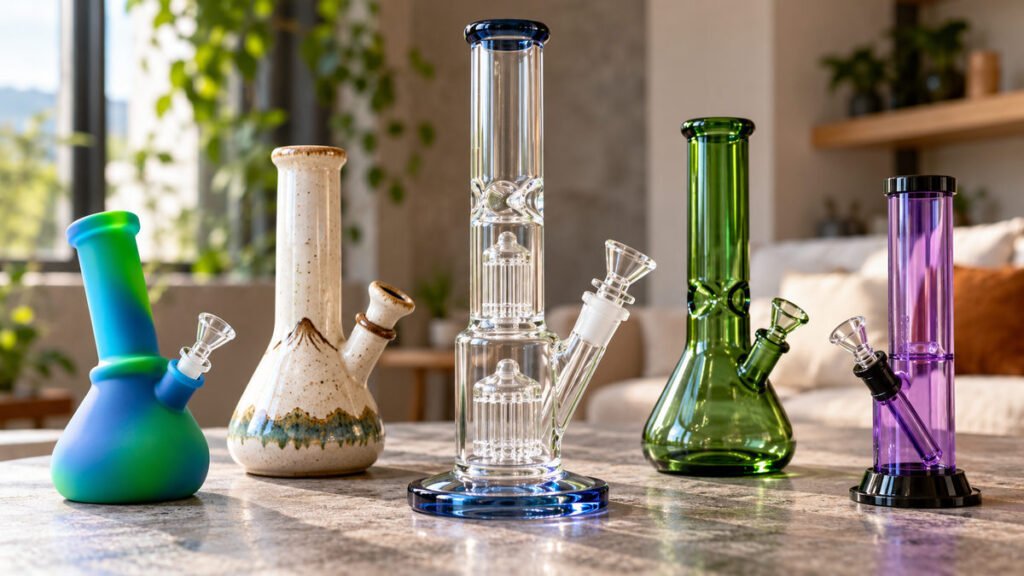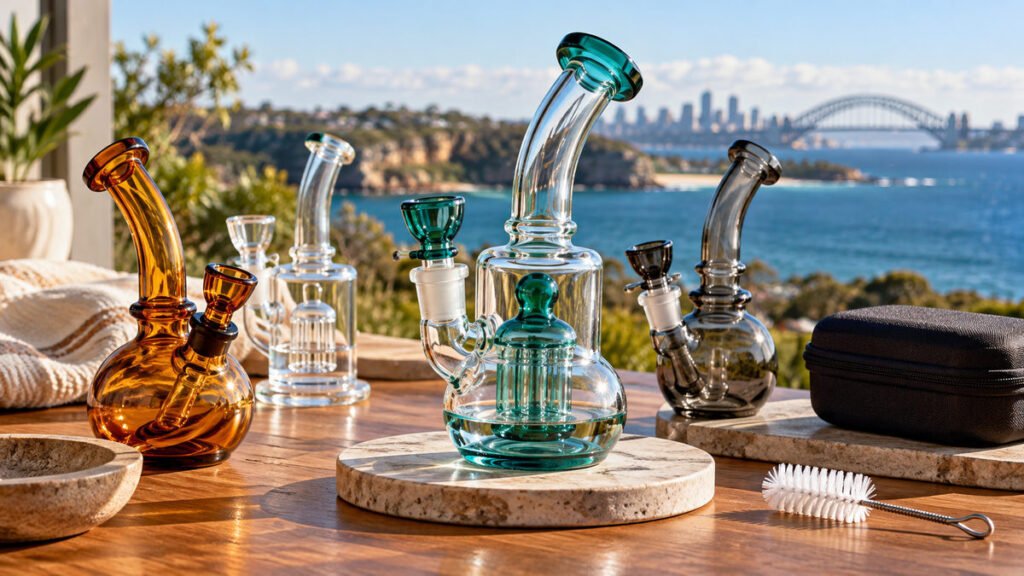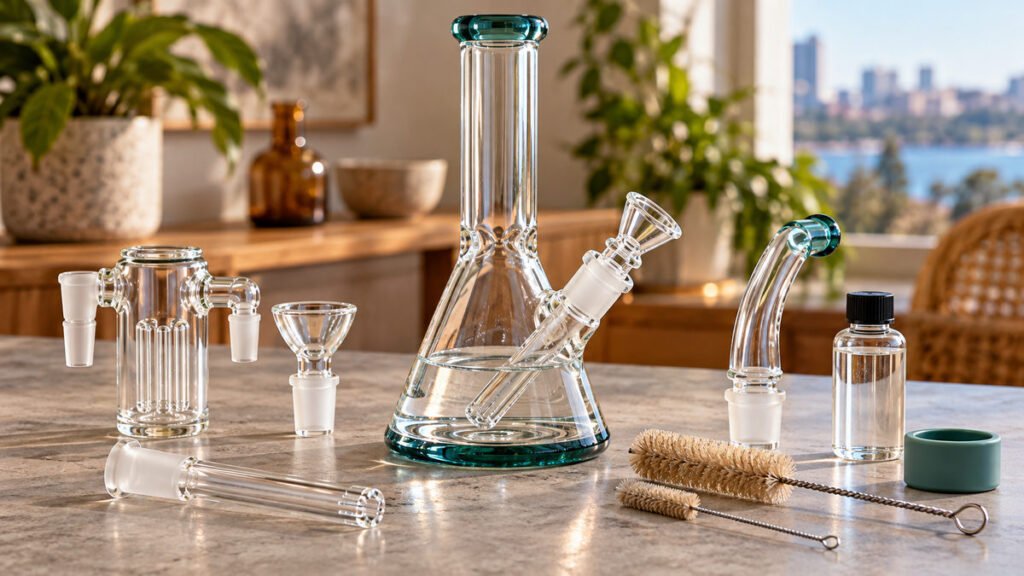
Choosing between a spoon pipe, Sherlock, bubbler, or percolator pipe can feel confusing. Every option looks different, yet appearance rarely tells the whole story. If you are wondering how to choose a glass pipe, focus on glass quality, airflow, bowl size, portability, cleaning, durability, price, and local rules. This guide compares the main designs and helps you choose a pipe for lawful tobacco or herbal use.
1. How to Choose a Glass Pipe: Start With Your Needs
Start by deciding where and how often you plan to use the pipe. Occasional users may prefer a compact hand pipe with simple controls. Regular home users might value cooling, stability, and a larger bowl instead.
Additionally, consider whether you need a pipe for legal tobacco, lawful herbal products, or display purposes. Travel creates different priorities from home use. A small pipe fits easier into secure storage, while a larger design may offer a steadier grip.
Your experience level also matters. A simple spoon pipe often suits beginners because it has fewer parts, a familiar shape, and straightforward airflow. It also takes less time to clean and usually costs less than elaborate designs.
Next, rank your priorities before comparing products. Ask yourself which matters most:
- Portability and discreet, lawful storage.
- Cooling and smoother airflow.
- Easy cleaning and simple maintenance.
- Artistic appearance and collectible craftsmanship.
- Durability for regular handling.
- A specific budget.
Therefore, you can place most buyers into one of four groups. Choose a simple hand pipe for portability, a curved pipe for a longer draw, a bubbler for water cooling, or an artistic pipe for display and craftsmanship.
Most importantly, check the rules that apply where you live. Australian age restrictions, tobacco rules, smoke-free areas, and herbal-product laws can differ between jurisdictions. Read the Australian Government’s guidance on smoking and tobacco laws in Australia before buying or using any accessory.
2. Compare the Main Types of Glass Pipes
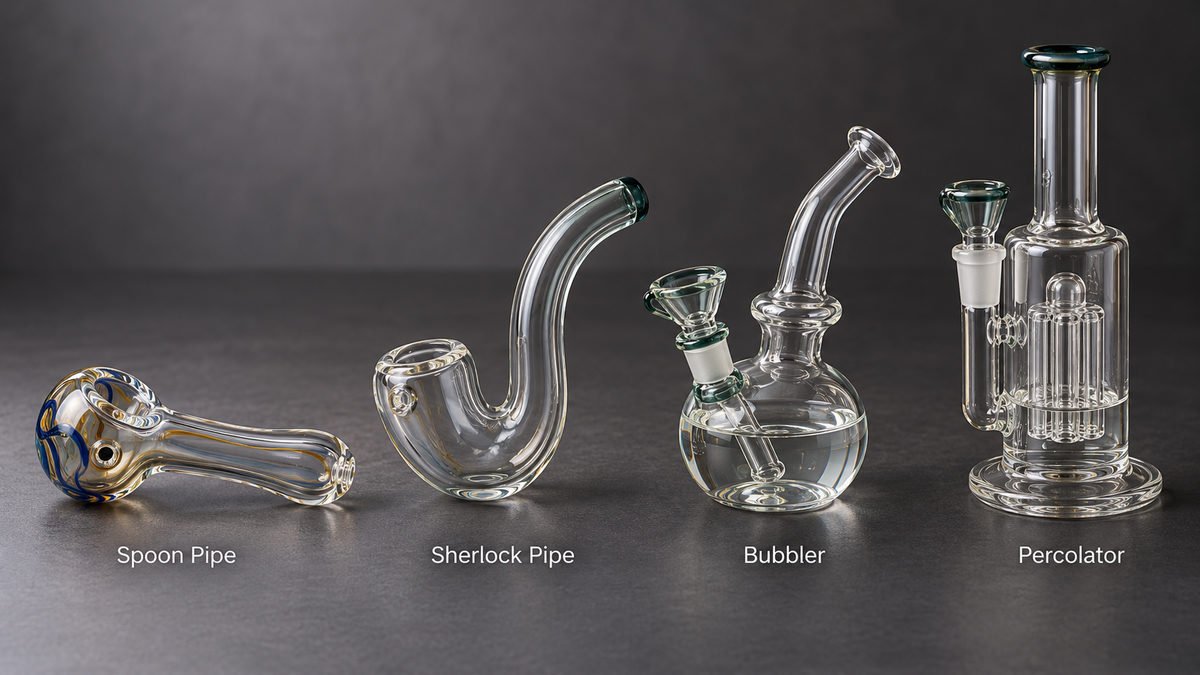
Different glass pipe styles change the way you carry, use, clean, and store the piece. Comparing their practical differences makes the buying process much easier. Learn more in spoon pipes explained.
Spoon pipes
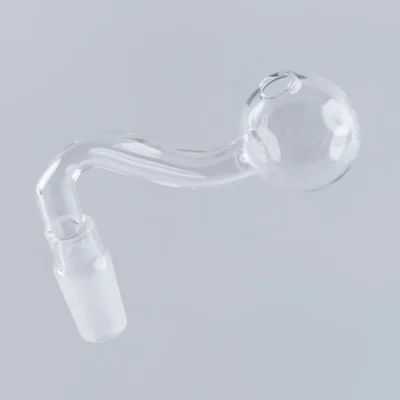
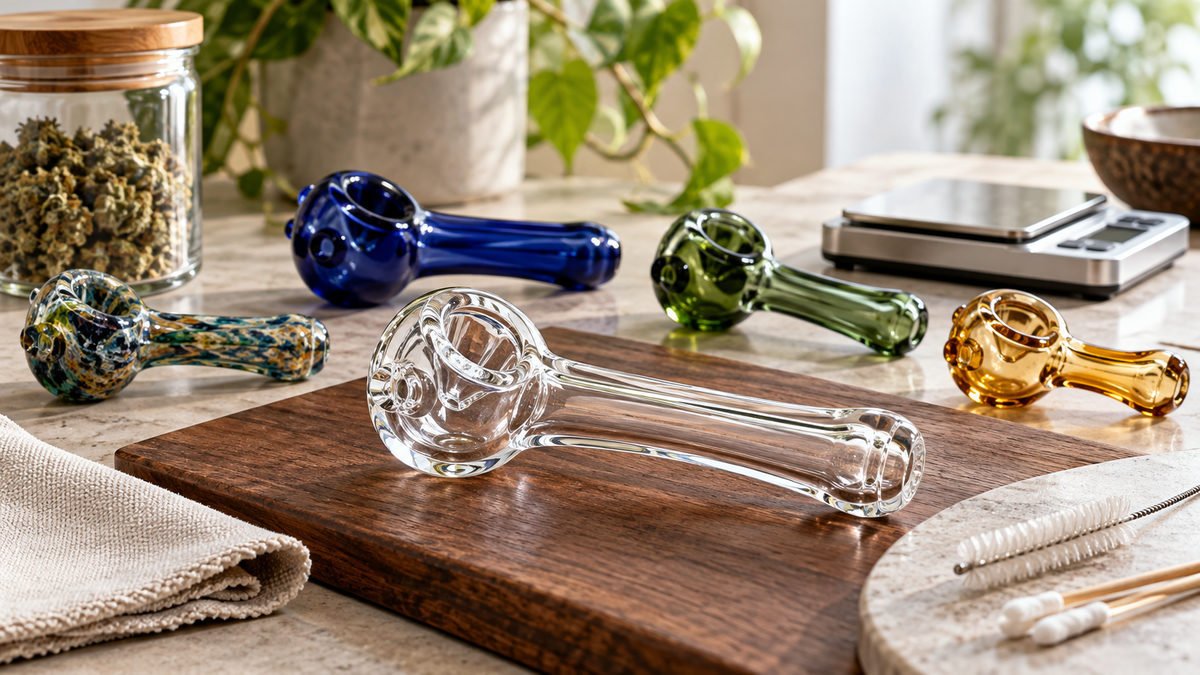
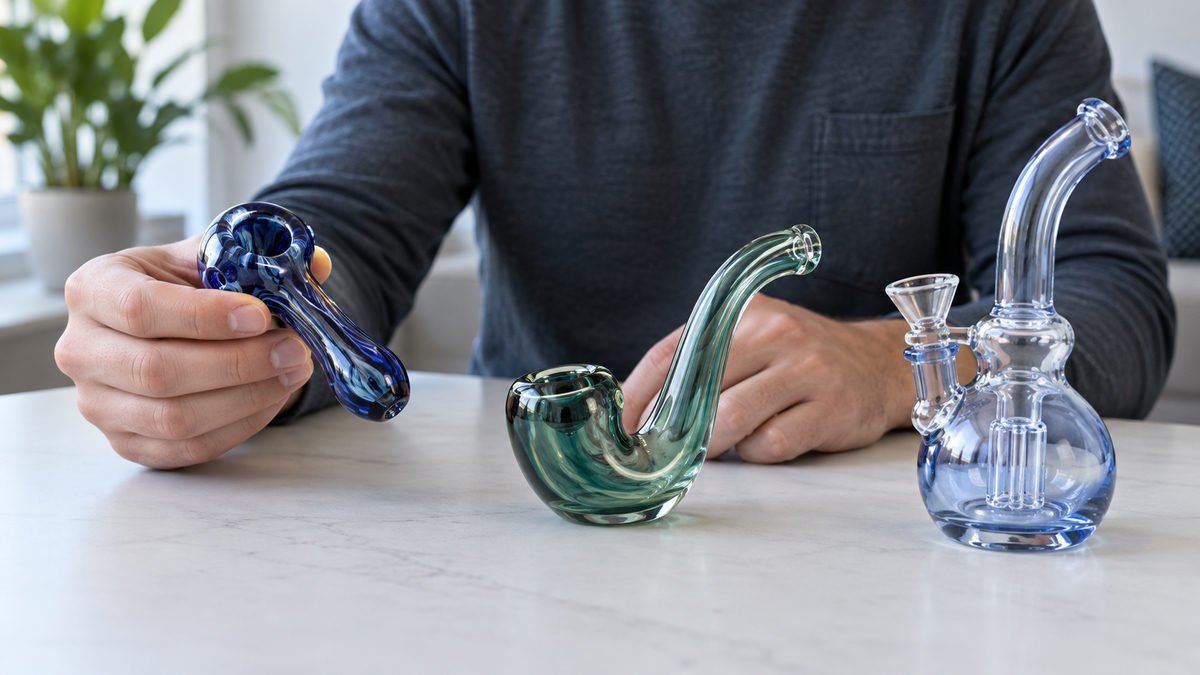
A spoon pipe has a compact bowl, short airway, and small carb hole. Its stable shape rests comfortably in your hand or on a flat surface. As a result, it suits beginners, occasional users, and lawful portable use.
Spoon pipes usually have fewer crevices than complex designs. That makes them quicker to rinse and inspect. However, their short airway may provide less cooling than a longer or water-filtered pipe.
Sherlock pipes
A Sherlock pipe uses a curved neck and distinctive profile. The longer pathway may cool the draw slightly compared with a short spoon design. Meanwhile, its shape gives the pipe a classic, artistic appearance.
However, the curved neck can create extra areas where residue collects. Check the curve for smooth glass, comfortable balance, and enough clearance around the bowl.
Bubblers
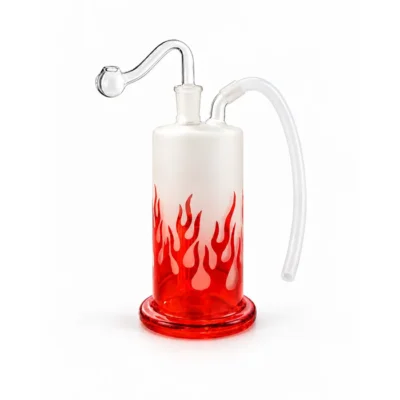
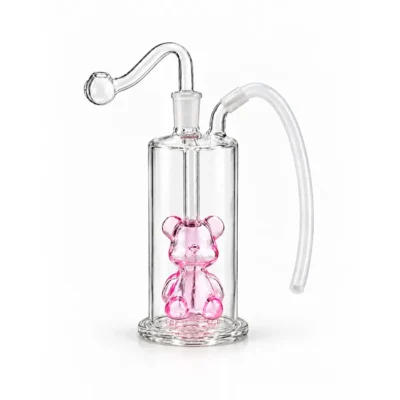
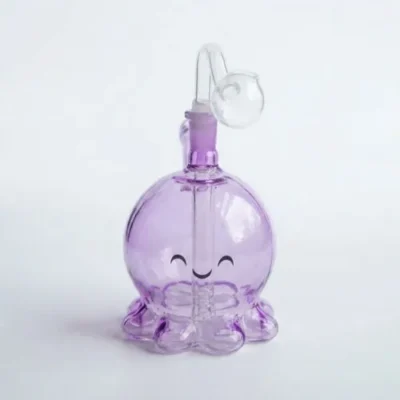
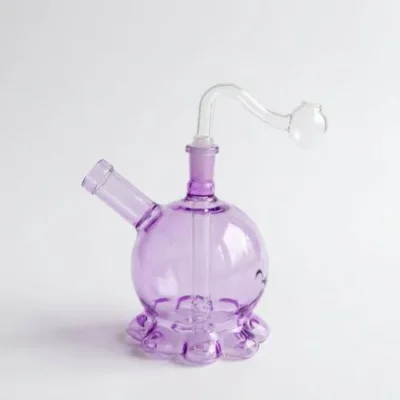
A bubbler combines a hand pipe with a small water chamber. Water can cool and filter the airflow before it reaches the mouthpiece. Therefore, bubblers can feel smoother than basic dry pipes.
They also require more care. You must empty the water, clean the chamber, and protect the glass from knocks. A bubbler may cost more than a simple hand pipe, especially when it includes a percolator.
Percolator pipes
A percolator pipe uses internal openings or chambers to divide airflow. This design increases contact between the smoke and water in compatible models. Consequently, many buyers choose percolators for added diffusion and cooling.
However, small openings can trap residue and become difficult to clean. Beginners may prefer a simpler design unless they specifically value water filtration.
Straight and novelty designs
Straight pipes often offer direct airflow and a simple silhouette. Novelty designs may look striking, but unusual shapes can affect stability, grip comfort, and cleaning access. Therefore, judge the pipe in your hand, not only in photographs.
| Feature | Hand pipe | Bubbler |
|---|---|---|
| Portability | Usually excellent | Moderate |
| Cooling | Limited | Greater water cooling |
| Water required | No | Yes |
| Cleaning time | Usually shorter | Usually longer |
| Typical price | Lower | Higher |
3. Choose Safe, Durable Glass and Quality Craftsmanship
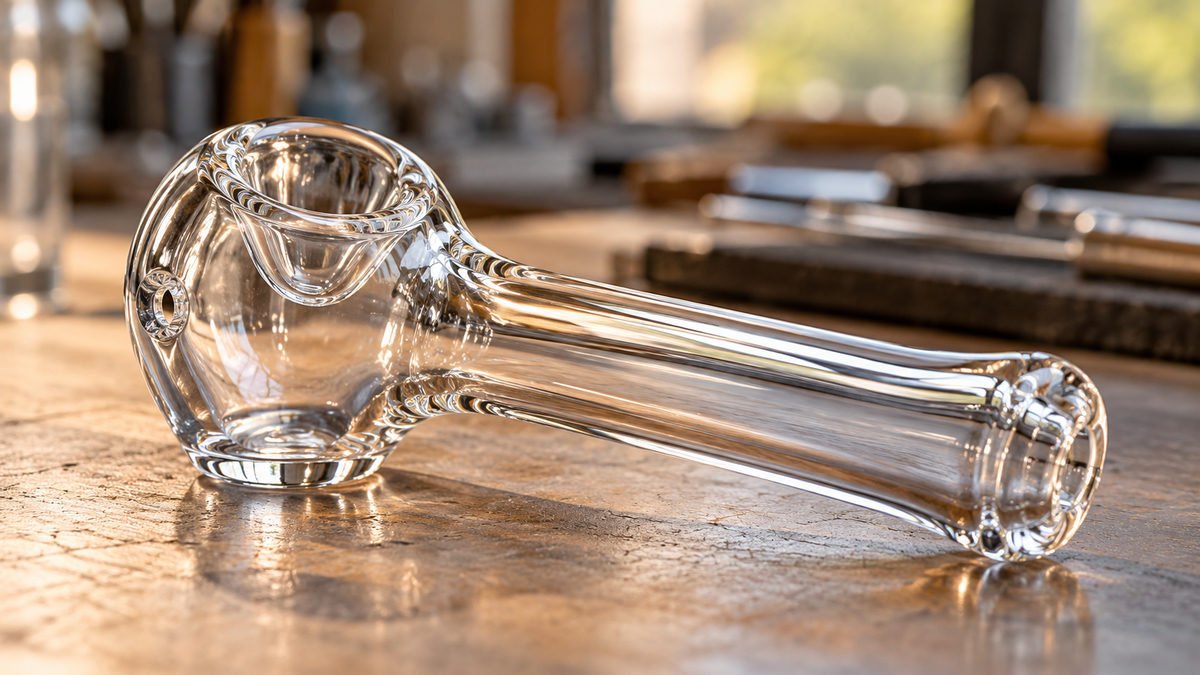
Borosilicate glass remains a popular choice for durable glass pipes. It handles heat more reliably than many ordinary glass types. Additionally, it offers better thermal stability during normal use and cleaning.
Regular or decorative glass may look attractive, but it can respond poorly to sudden temperature changes. Thermal shock can create cracks when hot glass meets cold water. Therefore, avoid rapid temperature changes, regardless of the pipe’s appearance.
Thicker walls can improve resistance to everyday knocks. However, thickness alone does not guarantee a quality pipe. A poorly finished thick pipe may still have weak joins, unstable sections, or uncomfortable edges.
Before buying, inspect photographs carefully or examine the pipe in person. Look for:
- Cracks, chips, and visible stress lines.
- Sharp edges around the mouthpiece or bowl.
- Large bubbles near joins or weight-bearing areas.
- Uneven welds, rough seams, or loose parts.
- An unstable base that tips easily.
Next, assess the craftsmanship around important contact points. The mouthpiece should feel smooth, while the bowl should sit securely. The carb hole must remain accessible, and any downstem or joint should fit without excessive movement.
Percolator openings deserve extra attention. They should look evenly formed and free from blocked passages. Furthermore, the pipe should not contain painted interiors or unknown materials that may degrade when heated.
Choose products with clear material information and reliable manufacturing details. Avoid any pipe with visible damage, questionable components, or vague safety information. If the seller cannot explain the glass type, consider another option.
4. Select the Right Size, Bowl, Airflow, and Cooling Features
The best glass pipe size depends on your routine. Small glass pipes are convenient for storage and lawful travel. Medium pipes often provide a better balance between portability, stability, and grip comfort.
Larger pipes may offer a longer airflow path and a steadier base. However, they take more space and can prove awkward to transport. Therefore, choose the smallest size that still feels comfortable and stable.
Bowl size affects how long a session lasts and how much material you use. A smaller bowl supports shorter sessions and may require less cleaning. A larger bowl can suit home use, but it may create more residue and require better heat management.
Weight and balance matter more than size alone. Hold the pipe naturally and check whether the bowl pulls your hand forward. A broad base or balanced shape can prevent accidental tipping on a flat surface.
Airflow should feel open and predictable. An accessible carb hole gives you better control over airflow. Additionally, an unobstructed pathway reduces frustration and makes cleaning easier.
Cooling features include longer necks, curved pathways, water chambers, ice-pinches, and percolators. Each feature adds potential cooling, but each can also add weight, cost, and cleaning time.
For lawful travel, look for compact dimensions, rounded edges, low snag points, and a padded protective case. Store the pipe securely and follow local rules during transport. A small, simple design usually works best for travel, while medium or water-filtered designs suit home use.
5. Decide Between Simple Designs and Elaborate Features
Simple hand pipes offer clear advantages. They usually cost less, operate easily, and fit into compact storage. Moreover, fewer parts make them faster to inspect and clean. Want added filtration? See bubbler pipes in Australia.
Elaborate glass pipes may include artistic shaping, multiple chambers, colourwork, percolators, and decorative elements. These details can make a piece visually distinctive. However, they may also create extra crevices that collect residue.
Therefore, separate visual appeal from practical performance. A beautiful pipe still needs a comfortable mouthpiece, stable base, clear airflow, and accessible cleaning openings. Decoration should support usability rather than make routine care difficult.
Quality glass pipe features often include:
- Smooth, comfortable edges and mouthpiece surfaces.
- Consistent airflow without obvious blockages.
- A secure bowl and stable resting position.
- Accessible openings for rinsing and cleaning.
- Well-formed joints, chambers, and percolator holes.
A percolator may suit buyers who specifically want water diffusion and enjoy detailed maintenance. Meanwhile, beginners and occasional users may gain more from a simple bubbler or hand pipe.
Function-first buyers should prioritise durability, cleaning access, and comfortable handling. Collector-oriented buyers may place greater value on colourwork, unusual shaping, and artist craftsmanship. Decide which group describes you before spending more on extra features.
6. Evaluate Price, Value, and Where to Buy
Glass pipe prices usually fall into entry-level, mid-range, and premium handmade categories. Entry-level pieces often use simple shapes and fewer features. Mid-range pipes may add thicker glass, improved balance, water filtration, or better finishing. Compare prices in our guide to glass pipes in Australia.
Premium handmade designs can cost more because of artistic work, complex shaping, limited production, and recognised craftsmanship. However, price alone cannot prove quality. A simple, well-made pipe may offer better value than an expensive design with awkward cleaning access.
You are paying for several factors, including:
- Borosilicate glass and wall thickness.
- Craftsmanship around joins and openings.
- Airflow design and water filtration.
- Artist work, colourwork, and unique shaping.
- Brand reputation and included accessories.
Be careful with unusually low prices, exaggerated claims, and decorative features that reduce usability. Before ordering, check clear product photographs, dimensions, material details, and cleaning access. Also review returns, customer support, age verification, and shipping protection.
Specialist glass retailers may provide broader product knowledge. Reputable online stores can offer detailed specifications, while licensed local businesses let you inspect balance and finish. Artist studios may suit buyers seeking distinctive handmade work.
Use this checklist before purchasing:
- Confirm the glass type and visible condition.
- Check dimensions, bowl size, weight, and stability.
- Assess airflow and carb placement.
- Confirm that openings allow practical cleaning.
- Review returns, warranty terms, and shipping protection.
- Verify age requirements and local legal compliance.
Readers searching for bubbler pipes Australia should compare local availability carefully. Australian state and territory rules can change, so verify current requirements before ordering or using any accessory.
7. Clean, Maintain, and Use a Glass Pipe Safely
Regular cleaning keeps a glass pipe easier to inspect and use. Start by allowing the pipe to cool fully. Then rinse it with warm water before using an appropriate glass-cleaning solution and suitable tools. Follow our guide on how to clean a glass pipe.
Remove residue gently rather than forcing objects through narrow openings. Flush the pipe thoroughly until the cleaning solution disappears. Finally, let every part dry completely before storage or lawful reuse.
A simple maintenance routine includes:
- Cleaning the pipe before residue becomes difficult to remove.
- Checking the airway and carb hole for blockages.
- Inspecting the glass for cracks, chips, and stress lines.
- Emptying and rinsing water chambers after use.
- Storing the pipe in a padded case or secure location.
Removable or accessible components make maintenance much easier. Percolators, narrow chambers, and decorative crevices may require extra attention. Therefore, consider cleaning access before choosing an elaborate design.
Handle glass carefully and avoid sudden temperature changes. Do not place hot glass on cold or wet surfaces. Additionally, keep heated accessories away from children, pets, flammable materials, and unattended areas.
Allow the pipe to cool before cleaning, packing, or moving it. Never use damaged glass, loose parts, or components with uncertain heat safety. If you notice a crack or sharp edge, stop using the pipe and replace it.
Finally, avoid common buying mistakes. Do not choose unknown glass, an oversized travel pipe, an unstable base, or an inaccessible percolator. Do not neglect routine cleaning, and always confirm local age limits, tobacco rules, herbal-product laws, and smoking restrictions.
Conclusion
The best glass pipe balances safe borosilicate glass, suitable size, comfortable airflow, practical bowl capacity, stable construction, easy cleaning, and a fair price. Beginners often benefit from a simple spoon pipe because it remains portable and easy to maintain.
Experienced buyers may prefer a Sherlock, bubbler, or percolator design for added cooling, filtration, or artistic appeal. However, extra features also increase cleaning time, breakage risks, and purchase cost.
Use the buying checklist to compare reliable glass pipes, confirm local age and legal requirements, and choose a design that matches your intended use, maintenance habits, and budget.
For more options and practical accessories, explore Sweet Puff Australia. Compare designs carefully, check product details, and choose equipment suited to lawful use, secure storage, and straightforward care.