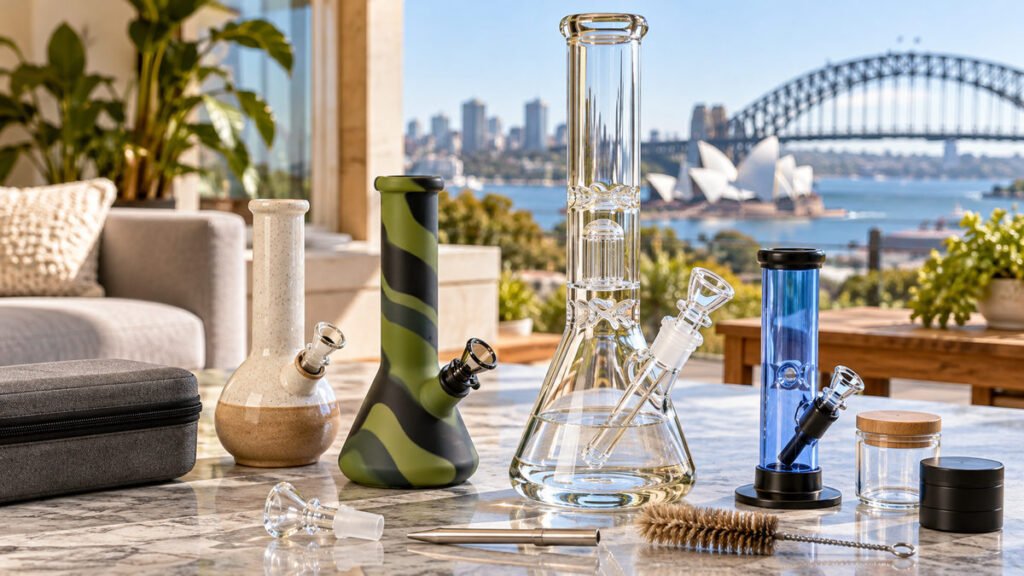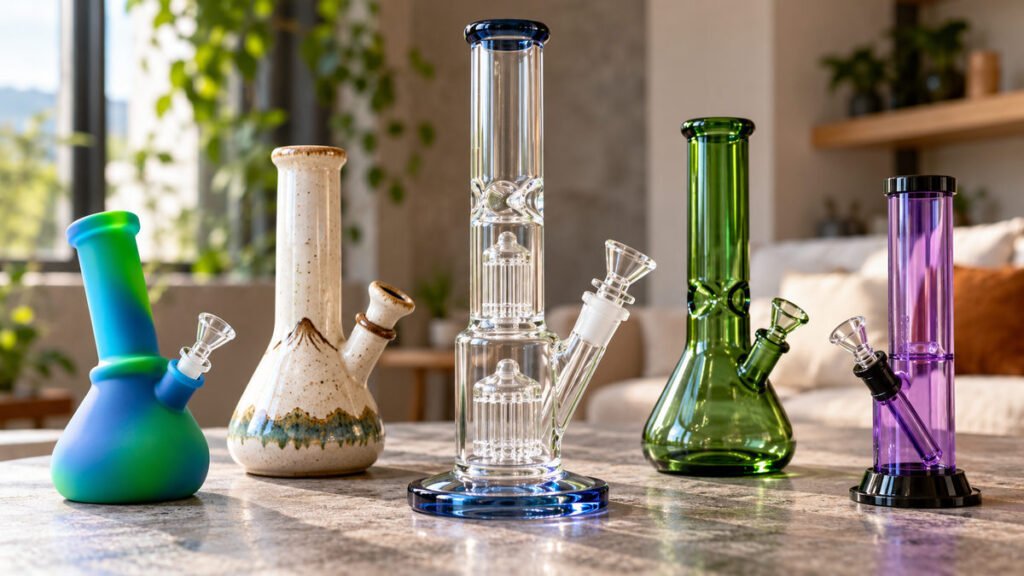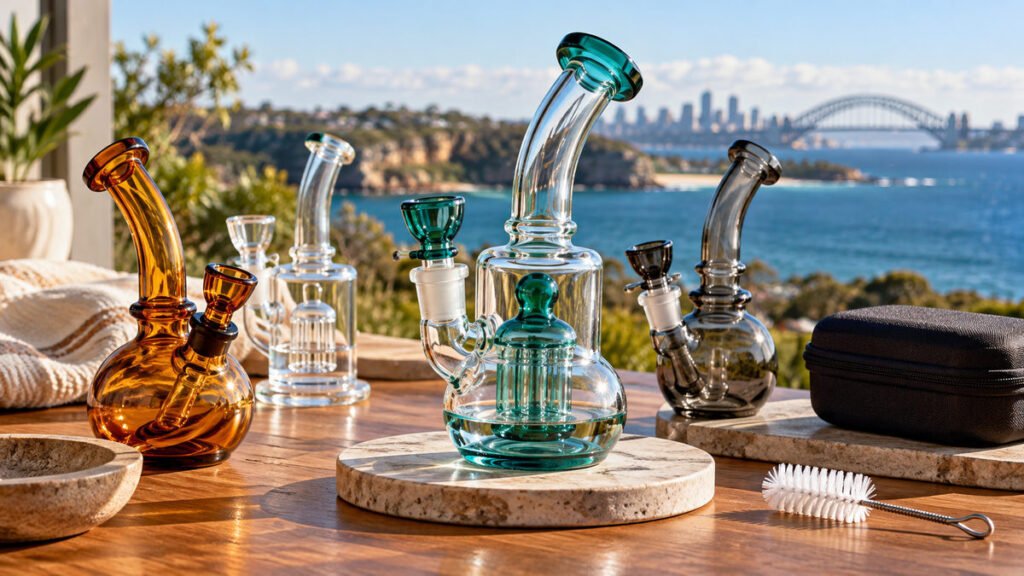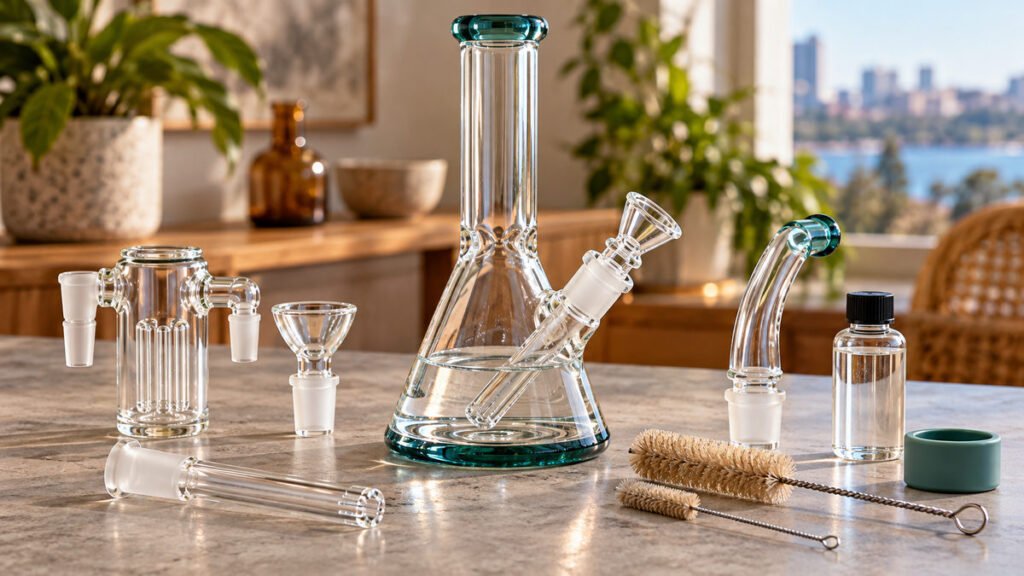
Choosing between a compact bubbler and a full-size bong can change your entire smoking routine. The right choice depends on hit size, portability, filtration, cleaning, and available space. In this bubbler vs bong comparison, you will learn how both devices work, where each performs best, and which option suits your needs.
Bubbler vs Bong: What Is the Difference?
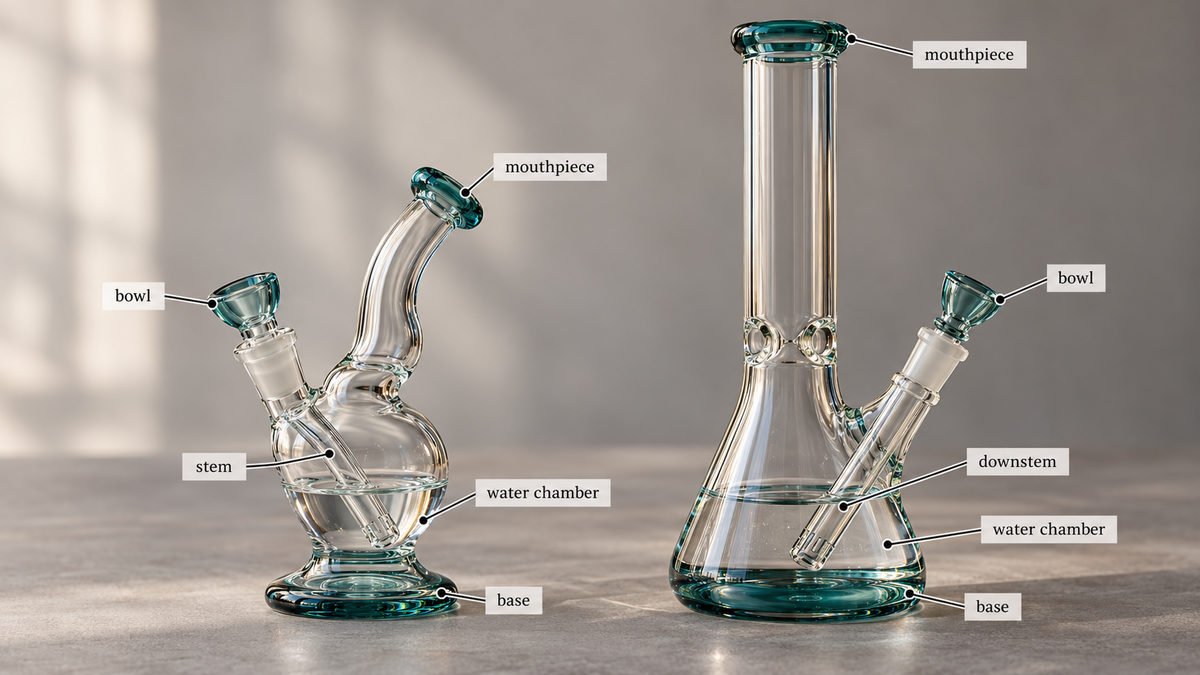
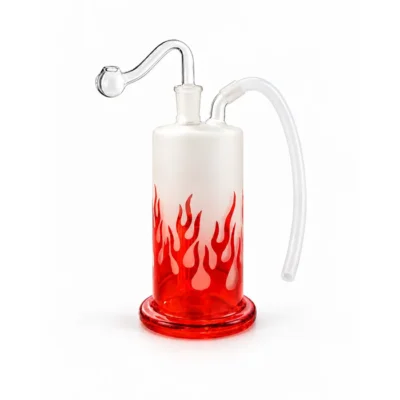
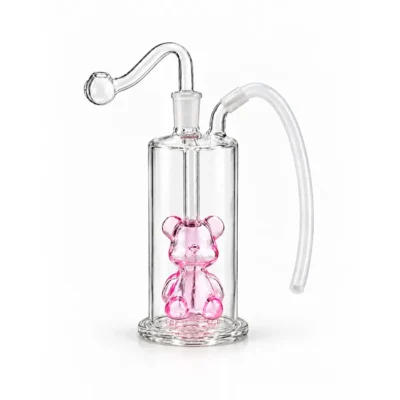
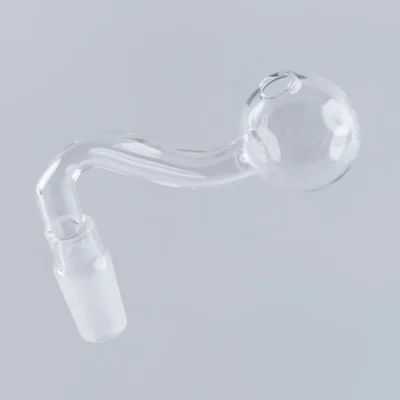
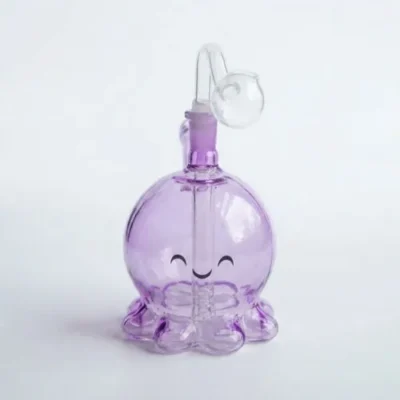
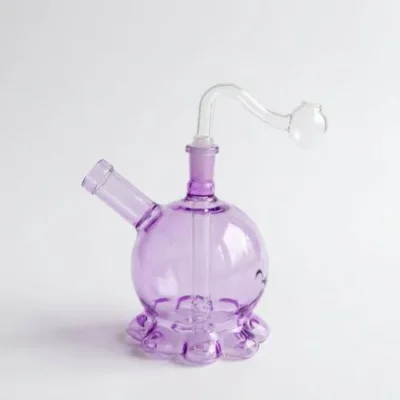
A bubbler is a compact water pipe with several parts built into one body. It usually combines the bowl, stem, water chamber, mouthpiece, and base. This integrated design keeps the device small and simple to handle.
When you light the bowl, smoke travels through the stem and bubbles through water. You then inhale through the mouthpiece. The water cools the smoke and catches some particles before they reach your mouth.
However, a bubbler normally has a smaller chamber and lower water capacity than a bong. Therefore, it often produces shorter, more controlled draws. Some models include fixed percolation, while others use a simple water chamber.
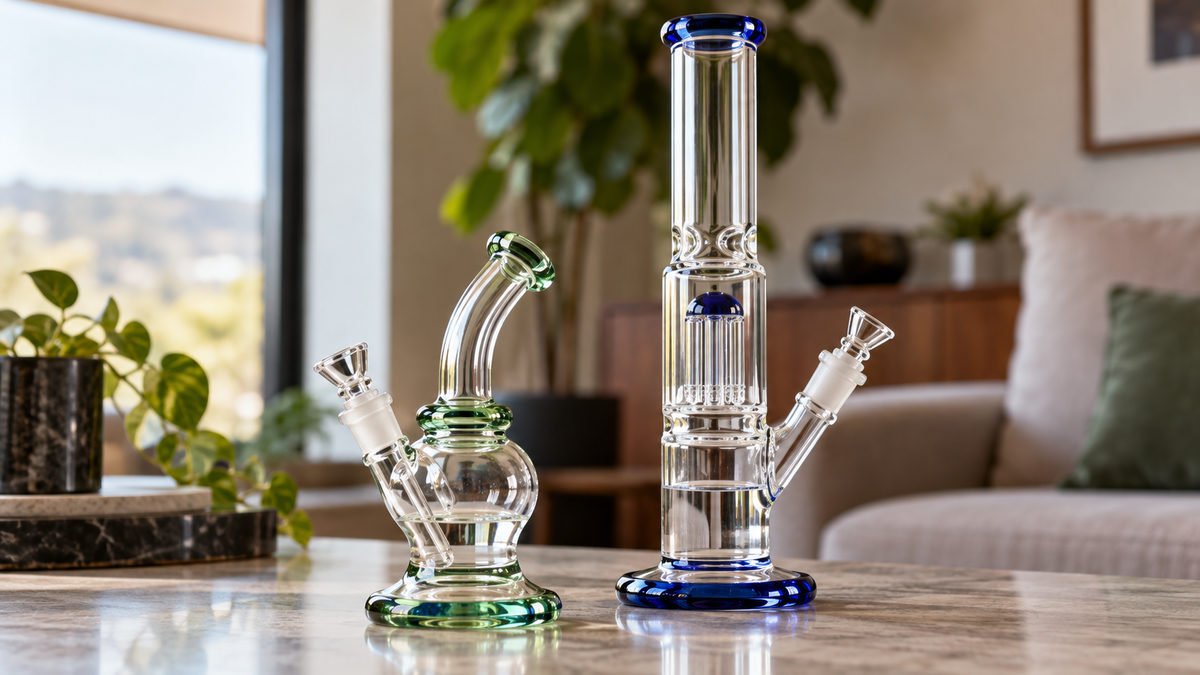
A bong usually has a more modular construction. Its main parts may include a bowl, downstem, water chamber, mouthpiece, base, and optional percolator. Many designs also include an ice catcher or removable accessories.
Smoke enters the downstem before passing through the water. The bubbling action increases contact between smoke and water. Meanwhile, the larger chamber can hold more smoke before you clear it.
Both devices commonly work with dry herbs. Some bongs and bubblers also accept adapters for vapourisers or concentrates. Always check the device specifications before adding an accessory.
The main difference comes from design rather than basic function. Bubblers prioritise compact, integrated construction. Bongs generally offer larger chambers, more airflow options, and greater customisation.
When comparing the two, consider these important factors:
- Smoke smoothness and cooling potential
- Hit size and draw resistance
- Portability and storage space
- Cleaning access and maintenance time
- Material quality and durability
- Purchase cost and replacement parts
- Your intended location and typical session size
Bubbler and Bong Performance Compared
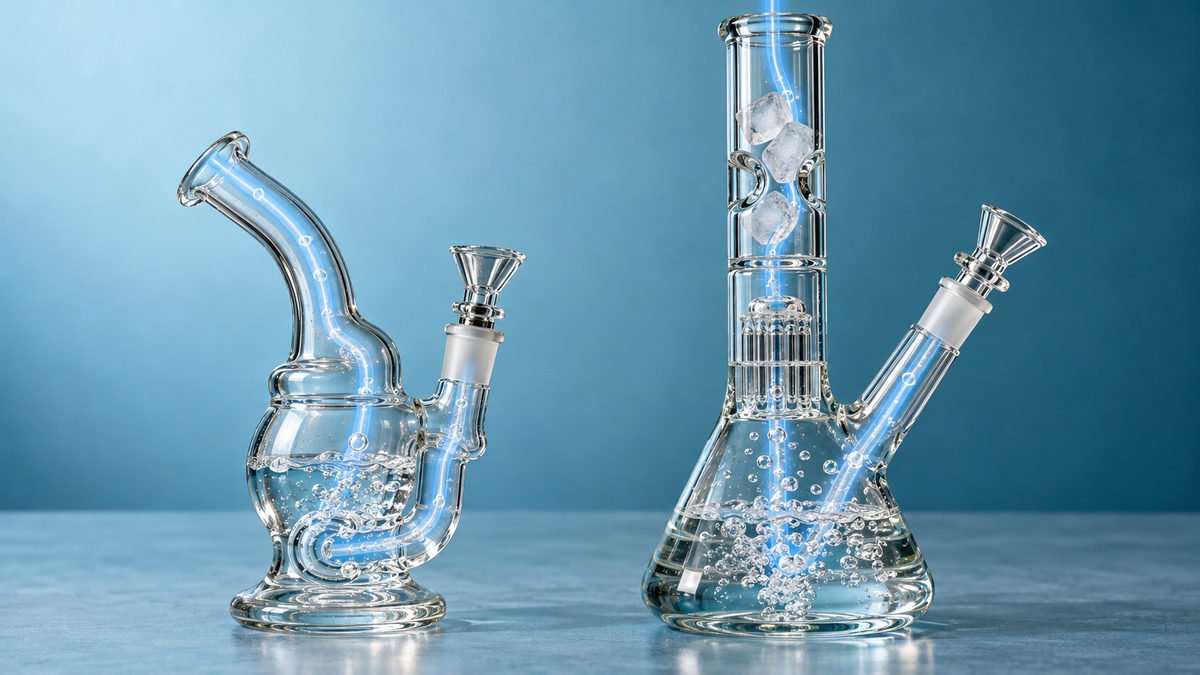
Water filtration can make smoke feel cooler and less harsh. However, it does not make smoke harmless. The final experience depends on water volume, filtration pathways, airflow, chamber size, and how strongly you draw. Bongs often add extra cooling; see percolator bongs explained.
A larger bong may provide more cooling because smoke travels through more water and space. Additionally, a percolator can split smoke into smaller bubbles. This increases the contact area between smoke and water.
Some bongs include diffused downstems, tree percolators, honeycomb percolators, or showerhead percolators. Each design changes the bubbling action and draw resistance. Therefore, a complex percolator may feel smoother but require more cleaning.
An ice catcher can hold ice above the water chamber. As smoke passes through the cooler airspace, it may feel more comfortable. However, ice can melt and change the water level during longer sessions.
Bubblers usually encourage smaller draws because their chambers hold less smoke. That makes them useful for users who prefer moderate, controlled sessions. In contrast, a large bong can accommodate bigger draws and heavier airflow.
So, is a bubbler smoother than a bong? Not automatically. A well-designed bubbler may feel smoother than a poorly designed bong. Likewise, a quality bong with effective filtration may offer stronger cooling than a basic bubbler.
Draw resistance also matters. Narrow pathways can make a device feel tighter and slower. Wider joints and carefully designed percolators can create open airflow, although they may increase the intensity of each draw.
Water level affects performance too. Too little water reduces filtration and cooling. Too much water can cause splashback, wet lips, or water entering the mouthpiece.
Neither device needs a fixed amount of cannabis. Bowl size, packing style, draw strength, and personal habits matter more than the category. A small bowl can deliver a controlled session in either device.
Most importantly, water filtration does not remove the health risks of inhaling smoke. Australian health guidance explains that water-pipe smoke still contains harmful substances. Read the NSW Health guidance on water-pipe smoking for further information.
Users should avoid deep or excessive inhalation. Never drive while impaired, and avoid exposing children, pets, or other people to smoke.
Portability, Materials, Durability, and Everyday Convenience
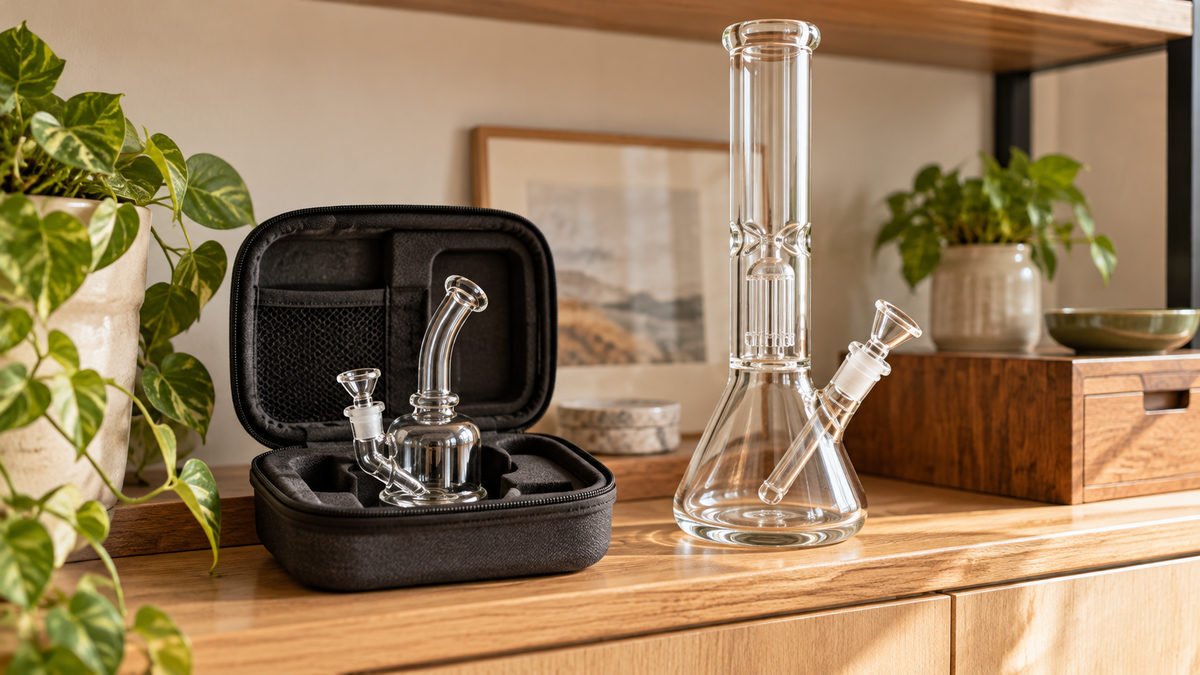
A bubbler usually takes up less room than a bong. You can store it in a small cupboard, drawer, or protective case. Therefore, it suits bedrooms, compact homes, and users who move between locations. For a compact bong, see mini bongs in Australia.
Bongs often need more storage space because of their height and wider bases. Larger models can also require careful transport. A dedicated home setup usually provides the safest and most convenient location.
Portability does not mean a bubbler is indestructible. Small glass bubblers can still crack when placed loose in a bag. Always use a padded case and keep the bowl or mouthpiece away from hard objects.
Stability matters for both devices. A wide base can reduce tipping, especially when the water chamber is full. Meanwhile, tall, narrow bongs need secure placement on a level surface.
Borosilicate glass remains popular because it offers clear visibility and clean flavour. It also allows you to see water levels and resin buildup. However, thin glass can break easily during transport or accidental knocks.
Silicone provides stronger impact resistance and suits users who value toughness. Ceramic offers weight, visual appeal, and stability. Acrylic can provide a lightweight alternative, although material quality and heat resistance deserve careful attention.
Durability depends on more than size. Glass thickness, joint construction, seals, base design, and handling habits all affect lifespan. A thick silicone or ceramic bubbler may outlast a thin glass bong.
Replacement parts also influence long-term value. Check whether the device uses accessible bowls, downstems, grommets, adapters, mouthpieces, or percolator components. Common parts make future repairs simpler.
Odour control requires practical storage habits. Empty old water, clean the device regularly, and use a sealed container for dry herbs. Additionally, keep every device away from children and pets.
Quality glass can still provide better flavour and visibility than tougher materials. Therefore, choose based on your priorities. A durable device that feels unpleasant to use may offer poor value over time.
Ease of Use, Cleaning, and Maintenance
Both devices require a few basic checks before use. Add enough clean water to cover the downstem openings or filtration points. Then pack the bowl loosely enough to maintain airflow.
Beginners should check the draw before lighting anything. A blocked bowl, clogged stem, or incorrect water level can cause poor performance. Always handle hot bowls carefully and place them on a heat-safe surface.
Are bubblers easier to use than bongs? Their integrated design often feels more intuitive. However, bongs may offer easier access, clearer water-level markings, and more customisation.
A bubbler may suit beginners who want portability, moderate draws, and fewer separate parts. A bong may suit beginners who prefer stronger airflow, a stable base, or larger cooling chambers.
Cleaning difficulty depends on the design. Bubblers have fewer removable parts, but their compact internal spaces can be difficult to reach. Bongs may rinse more easily, although downstems, bowls, and percolators add more components.
How to Clean a Bubbler
- Empty the old water and rinse the bubbler with warm water.
- Add an appropriate cleaning solution suitable for the device material.
- Soak removable bowls or stems separately when the product instructions allow it.
- Use suitable brushes, swabs, or flexible cleaners for narrow areas.
- Rinse every part thoroughly until no cleaning residue remains.
- Allow the bubbler to dry completely before storing or using it again.
Clean the bubbler whenever water becomes stale or odours appear. Additionally, remove resin before it blocks the stem or reduces airflow. Fresh water improves hygiene and keeps the draw more consistent.
How to Clean a Bong
- Remove the bowl, downstem, and other detachable parts.
- Rinse the chamber and components with warm water.
- Apply a suitable cleaning solution to resin-covered surfaces.
- Clean the downstem and percolator openings carefully.
- Rinse all pieces thoroughly and inspect seals and joints.
- Dry every component before reassembly and storage.
Do not mix cleaning chemicals, even when resin remains stubborn. Avoid abrasive tools that can scratch glass, ceramic, silicone, or finished surfaces. Always follow the manufacturer’s care instructions.
Bubbler Pros and Cons vs Bong Pros and Cons
Bubblers offer a practical balance between portability and water filtration. Their smaller footprint makes them convenient for compact homes and occasional sessions. Furthermore, the integrated body reduces the number of parts you need to assemble.
- Compact size and easier storage
- Lower visual profile than many bongs
- Controlled draws and smaller chambers
- Simple setup for many users
- Useful water filtration in a portable format
However, the smaller design creates some compromises. Bubblers may provide less cooling and limited accessory compatibility. Tight internal channels can also make deep cleaning more difficult.
- Smaller chambers and potentially less cooling
- Less customisation than modular bongs
- Delicate glass construction on some models
- Narrow internal areas that trap resin
- Greater splashback risk when overfilled
Bongs suit users who want larger chambers, stronger potential hits, and more filtration options. Many designs support interchangeable downstems, percolators, bowls, and ice catchers. Therefore, they can grow with your preferences.
- Larger chambers and stronger airflow potential
- More cooling and filtration options
- Greater accessory compatibility
- Customisable downstems and percolators
- Good fit for dedicated home use
The trade-off is greater size and maintenance. Large bongs need more storage space and water. Thin glass models may also face a higher breakage risk during transport or accidental knocks.
- Harder to transport discreetly
- More components to clean and replace
- Higher water requirements
- Potentially larger cannabis use during sessions
- Greater storage and breakage concerns
For beginners, a bubbler suits controlled draws and simple storage. Experienced users may prefer a bong’s airflow and customisation. Daily users should prioritise easy cleaning, stable placement, and reliable replacement parts.
Occasional users may value portability and low maintenance. Home users may prefer a stable bong with a comfortable chamber. Travel requires extra caution, secure storage, and full awareness of local laws.
Value depends on more than the purchase price. Compare construction quality, warranty coverage, included accessories, replacement-part availability, retailer reputation, and local availability. A cheaper device may cost more if it breaks or needs difficult-to-find parts.
Follow applicable age requirements and local laws in Australia. Keep devices secure, avoid impaired driving, and remember that water filtration does not make smoke harmless.
How to Choose Between a Bubbler and a Bong
The best choice becomes clearer when you compare the features that affect daily use. The table below summarises the most practical differences. If a bong wins, read how to choose a bong.
| Feature | Bubbler | Bong |
|---|---|---|
| Device type | Compact integrated water pipe | Larger, often modular water pipe |
| Size | Small to medium | Medium to large |
| Water capacity | Usually lower | Usually higher |
| Filtration | Basic to moderate | Basic to advanced |
| Hit size | Usually smaller and controlled | Often larger and stronger |
| Smoothness | Depends on chamber and filtration | Depends on percolators and water volume |
| Portability | Generally easier | Usually more difficult |
| Cleaning | Fewer parts, tighter spaces | More parts, easier chamber access |
| Durability | Depends heavily on material | Depends heavily on thickness and base |
| Customisation | Usually limited | Often extensive |
| Typical use | Portable or moderate sessions | Dedicated home sessions |
| Beginner suitability | Good for simple, controlled use | Good for users wanting airflow and options |
Choose a bubbler if you prioritise portability, compact storage, moderate draws, and a smaller home footprint. It also suits users who want an integrated setup with fewer separate components.
Choose a bong if you prioritise larger hits, extensive filtration, stronger cooling potential, and customisation. A larger chamber, percolator, ice catcher, bowl size, or joint size can change the experience significantly.
For daily use, match the device to your cleaning habits and session size. A bubbler may be easier to store and refill. Meanwhile, a bong may feel better for longer sessions when you have a permanent, stable setup.
Use this checklist before buying:
- Where will you use and store the device?
- What hit intensity and chamber size suit you?
- Do you prefer glass, silicone, ceramic, or another material?
- How much filtration and cooling do you want?
- Can you reach the internal parts for cleaning?
- Are replacement bowls, stems, and seals available?
- Does the total cost fit your budget?
- Have you checked applicable Australian laws?
In short, choose a bubbler for portability and control. Choose a bong for larger hits and greater customisation. If your priorities overlap, compare compact bongs and hybrid water-pipe designs.
Australian shoppers should compare reputable retailers, product specifications, glass thickness, return policies, and local availability. When browsing bubbler pipes in Australia, pay close attention to cleaning access, joint measurements, and replacement-part support.
Conclusion
Bubblers and bongs both use water filtration, but they suit different routines. Bubblers generally emphasise compact portability, controlled sessions, and simple storage. Bongs typically offer larger hits, more cooling potential, and broader customisation.
The right choice depends on your preferred intensity, cleaning habits, storage conditions, material preferences, budget, and local legal requirements. Use the comparison checklist to narrow your priorities. Then compare well-built bubblers and bongs from reputable retailers before choosing the device that fits your routine.
For Australian shoppers comparing water pipes, Sweet Puff Australia offers a relevant place to review available styles and accessories. Compare product details carefully, consider your storage needs, and choose a design that matches your preferred everyday setup.