Introduction
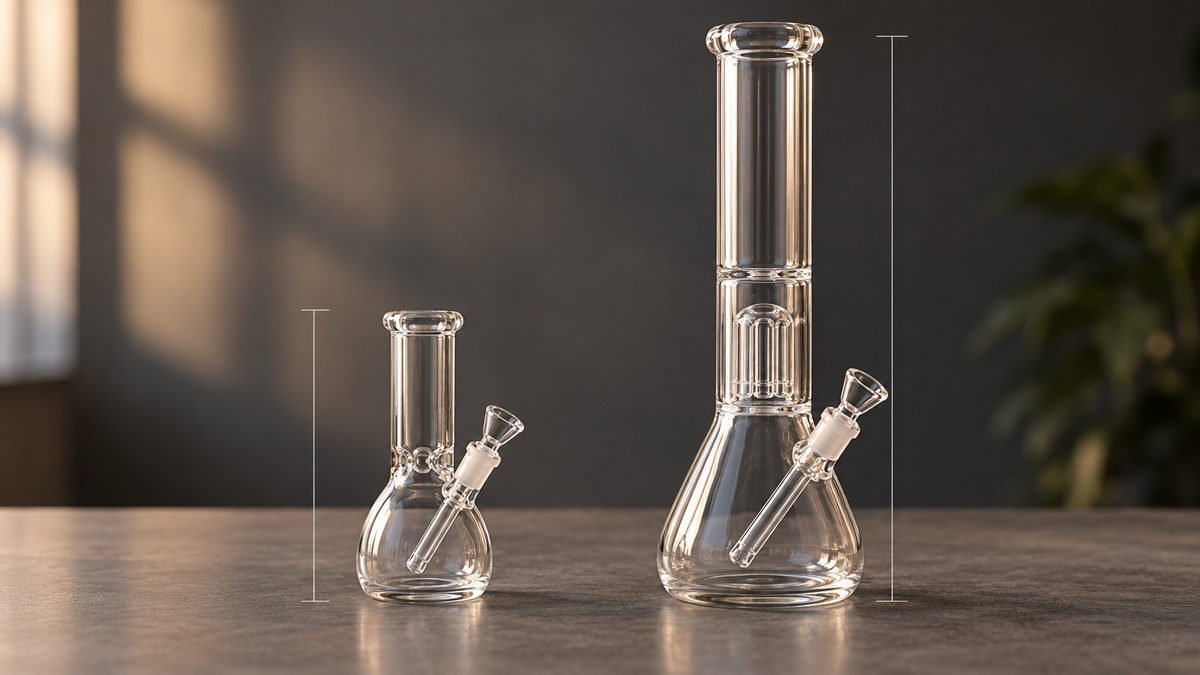
Choosing between a compact mini bong and a large home setup can change how portable, smooth, practical, and affordable your sessions feel. In fact, size affects much more than appearance. Chamber capacity, stability, filtration, cleaning effort, storage, durability, and hit intensity can all shape your experience. For every size range, see our bong sizes guide.
This mini bong vs large bong guide compares both options side by side. You will learn how design, accessories, maintenance, available space, experience, and legal use should influence your decision.
Mini Bong vs Large Bong: Key Differences at a Glance
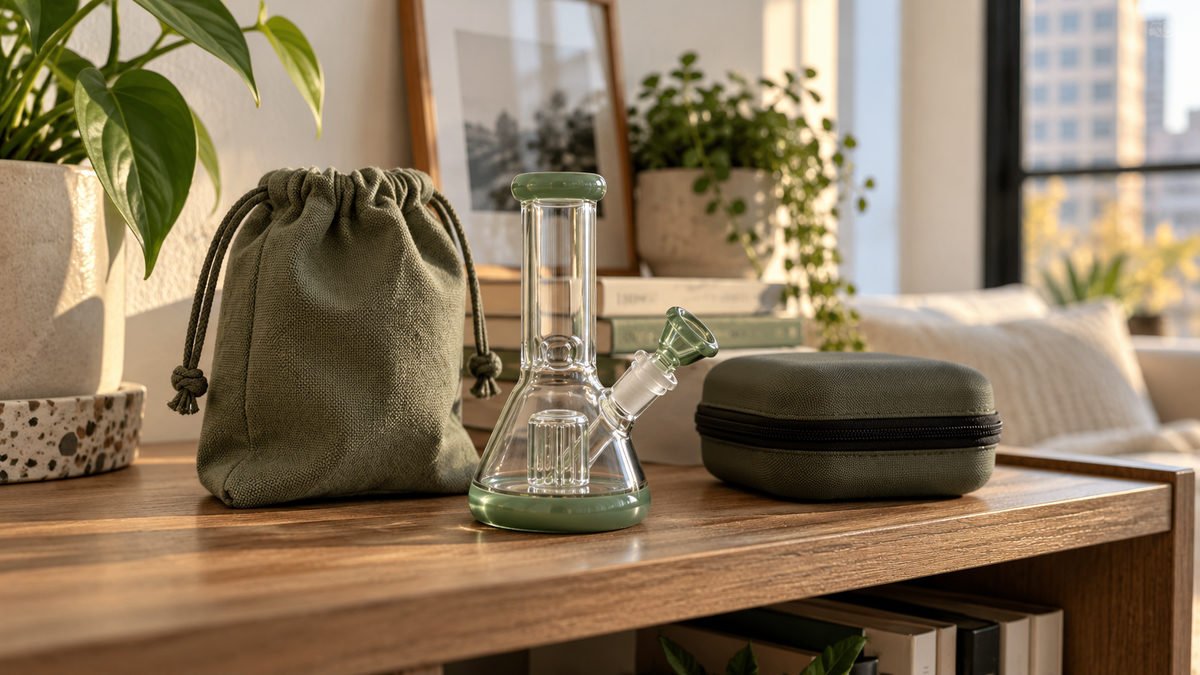
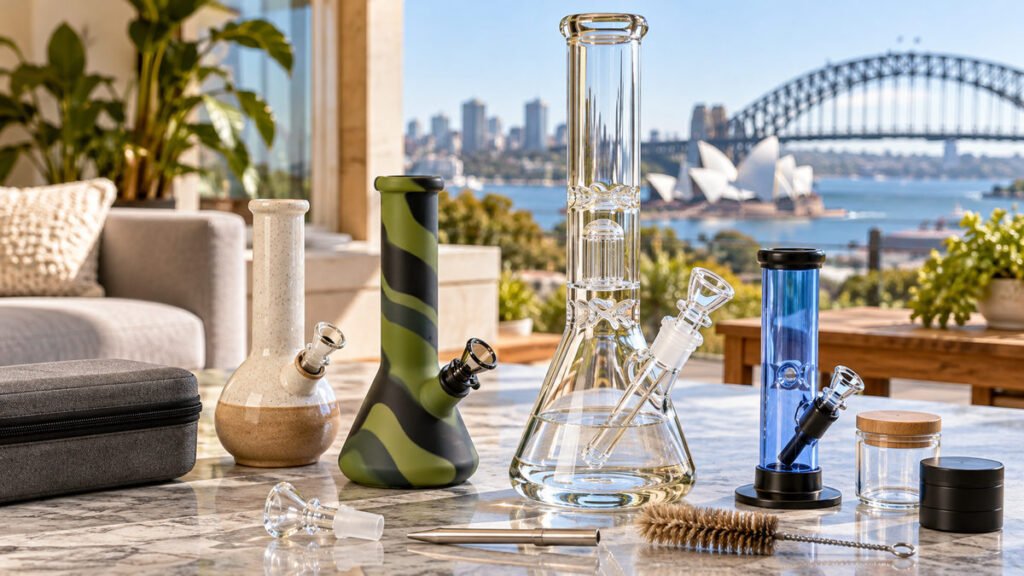
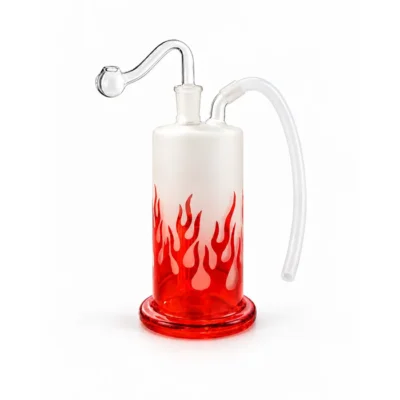
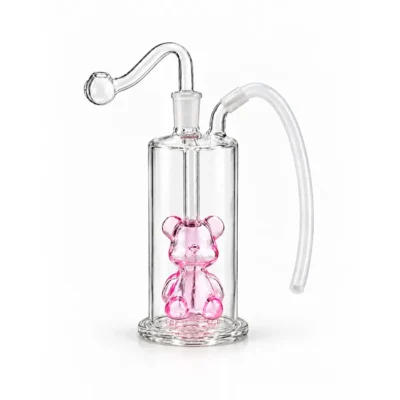
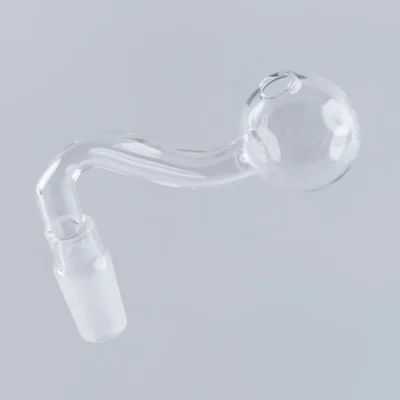
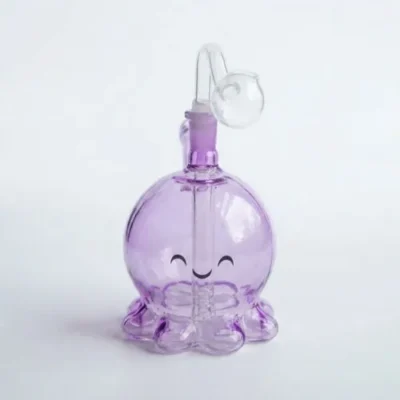
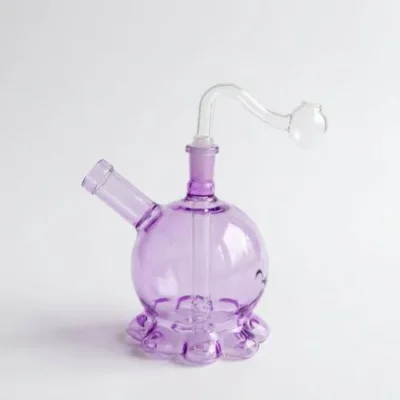
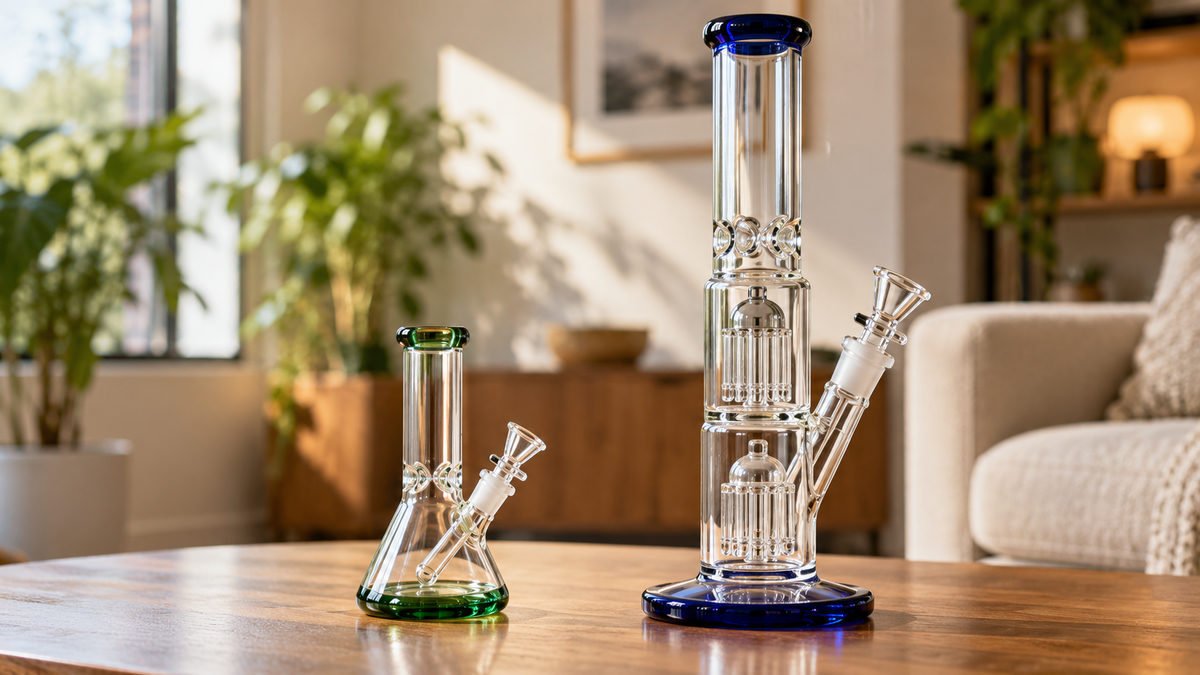
Mini bongs usually feature compact proportions, shorter chambers, and lower water capacity. Many measure roughly 10 to 20 centimetres tall, although manufacturers use different designs and measurements. Their smaller size makes them easier to store, carry, and use in limited spaces.
Large bongs generally have taller chambers, broader bases, and higher water capacity. Many stand above 30 centimetres, with some models reaching much greater heights. Therefore, they usually suit stationary home setups where stability, filtration, and customisation matter most.
However, height alone does not determine performance. Tube diameter, downstem design, percolation, water level, airflow, and glass thickness also affect the draw. A well-designed mini bong can outperform a poorly designed large model.
| Feature | Mini Bong | Large Bong |
|---|---|---|
| Portability | Easy to carry and store | Better suited to stationary use |
| Stability | Can feel lighter and easier to tip | Wider bases often improve stability |
| Filtration | Usually simpler | More room for downstems and percolators |
| Smoothness | Depends heavily on diffusion and water level | Can offer smoother draws with suitable design |
| Hit intensity | Often feels more concentrated | Can provide a larger, more gradual draw |
| Flavour | Often preserves stronger flavour | Extra filtration may soften flavour intensity |
| Durability | Light models may break more easily | Thicker glass can help, but damage is costly |
| Cleaning | Usually quicker and simpler | May require more time and cleaning tools |
| Storage | Fits drawers, shelves, and cabinets | Needs dedicated upright space |
| Water use | Uses less water | Requires more water for larger chambers |
| Customisation | Usually more limited | Often supports more accessories |
| Price | Often has a lower starting price | Usually costs more, especially with filtration |
Additionally, chamber size interacts with tube diameter and downstem length. A wider tube may allow more airflow, while a diffused downstem can create smaller bubbles. Therefore, a larger bong does not automatically produce a stronger or smoother hit.
Mini Bong Benefits, Drawbacks, and Best Use Cases
Portability and discreet storage
Mini bongs are easier to move between suitable locations. Their compact dimensions fit neatly into cabinets, drawers, shelves, and smaller living spaces. Meanwhile, lighter designs can work well for adults who need a simple setup without dedicated furniture. Browse options in our guide to mini bongs in Australia.
However, portability does not remove your legal responsibilities. Transport and store any product safely, discreetly, and only where permitted by applicable Australian laws. Padded storage also helps protect glass during approved transport.
Affordability and quick sessions
Mini bongs often cost less because they use less material and feature simpler construction. For example, a basic straight-tube design may include fewer joints, less glass, and no complex percolator. However, premium borosilicate glass, artistic details, and added accessories can increase the price.
A smaller chamber and lower water volume may suit occasional users and shorter sessions. In fact, less water means quicker setup, easier rinsing, and less time spent preparing the piece. This can make a mini bong practical for adults who value convenience.
Beginner suitability and possible drawbacks
A straightforward mini bong can feel approachable for adults new to water pipes. Simple airflow makes it easier to understand water levels, draw speed, and cleaning routines. Nevertheless, smaller chambers may feel more concentrated and less forgiving during an overly forceful draw.
Potential drawbacks include more noticeable heat, irritation, and sensitivity to incorrect water levels. Smaller loading areas can also limit capacity. Furthermore, lightweight models may tip or break more easily when placed near an edge.
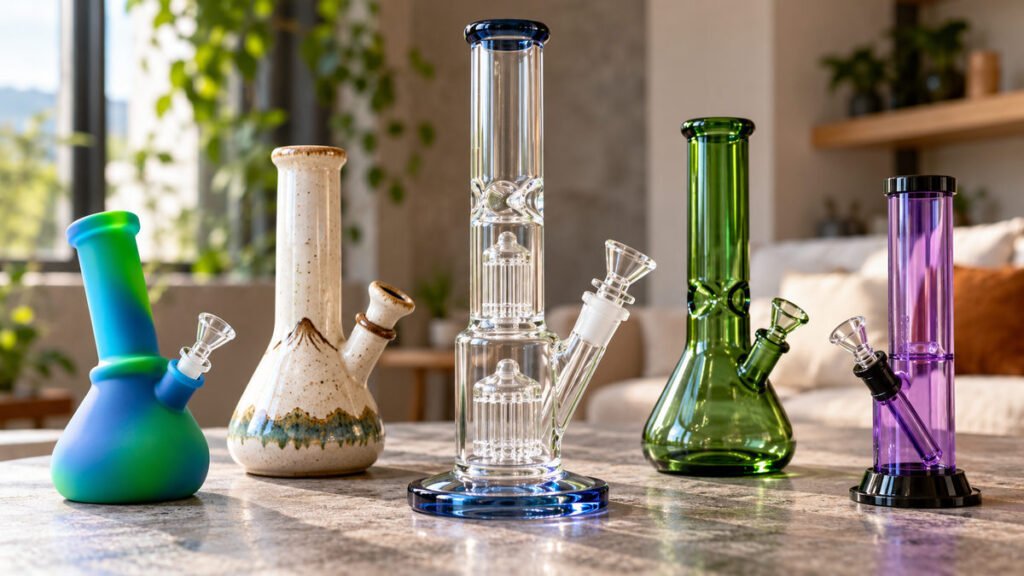
- Straight-tube mini bongs: Simple, compact, and generally easy to clean.
- Bubbler-style designs: Portable forms with integrated water filtration.
- Silicone mini bongs: Impact-resistant options for approved travel and casual storage.
- Compact percolator models: More diffusion, but often more cleaning effort.
Overall, mini bongs suit adults who prioritise portability, discreet storage, lower initial cost, and shorter sessions. They can also suit travellers who understand and comply with local transport and possession laws.
Large Bong Benefits, Drawbacks, and Home Setup Advantages
Stability and larger water chambers
Large bongs often provide better stability through wider bases, heavier glass, and beaker-shaped designs. This structure helps reduce tipping during stationary use. Therefore, they can suit a dedicated table, shelf, or home setup.
Larger chambers provide more room for smoke cooling and filtration. However, more water does not always improve performance. Excessive water can restrict airflow, cause splashback, and make the draw uncomfortable.
Smoother draws and greater customisation
A large bong with a suitable downstem or percolator may feel smoother than a basic compact model. For instance, a diffused downstem can break smoke into smaller bubbles before it reaches the chamber. Nevertheless, height alone cannot guarantee a better draw.
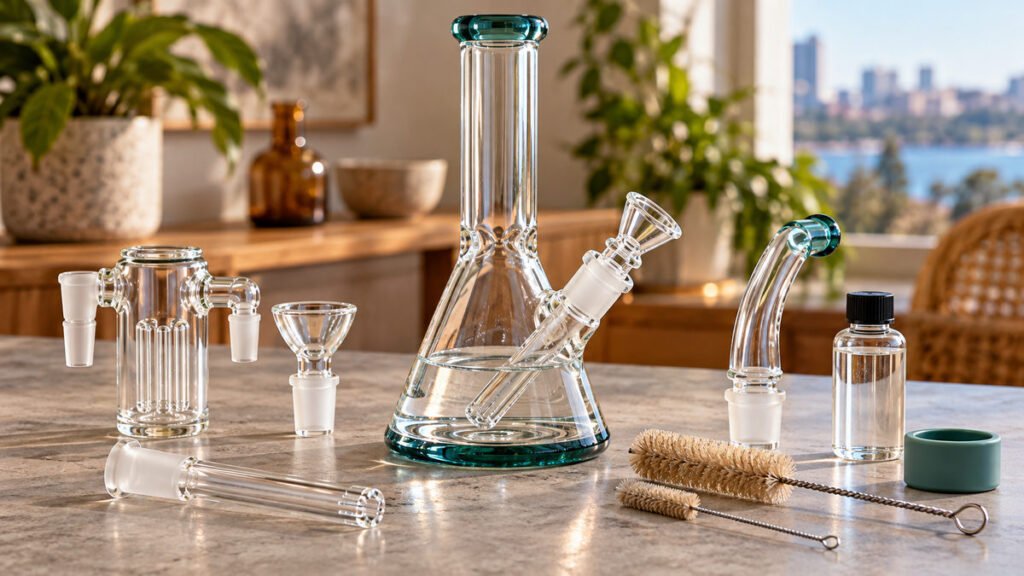
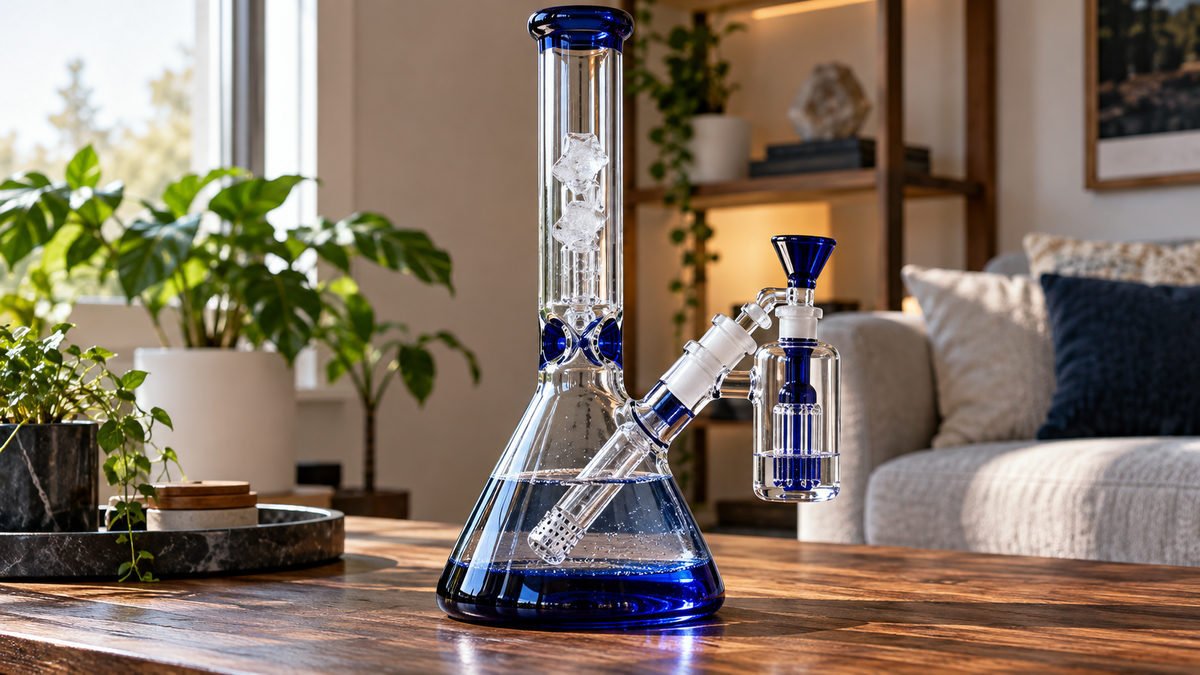
Large models often support more accessories and replacement parts. Depending on the design, you may find compatibility with:
- Ice catchers for additional cooling.
- Multiple percolators for increased diffusion.
- Ash catchers for added filtration and easier main-chamber cleaning.
- Diffused downstems for smaller bubbles.
- Removable bowls for easier maintenance and replacement.
Extra filtration can reduce harshness, but it may also soften flavour intensity. Therefore, users who prefer a strong, direct flavour may favour simpler designs. Those who value a cooler, more filtered draw may prefer additional diffusion.
Home use, durability, and drawbacks
Large bongs generally suit frequent home use, longer sessions, and adults who value stability. They also offer more room for personalisation as preferences change. However, they require more storage space, water, cleaning time, and careful handling.
A larger glass piece can cause more damage if dropped or tipped. Additionally, replacement costs may rise when the design includes several joints or specialised parts. Durability depends more on borosilicate glass quality, thickness, joint construction, and handling than size alone.
How Design and Accessories Change Bong Performance
Shape and airflow
Straight-tube bongs use a compact vertical path that can feel direct and simple. Beaker bongs use a broader base and larger chamber, which often improves stability and offers more room for water and accessories. The right bong accessories can change performance a lot.
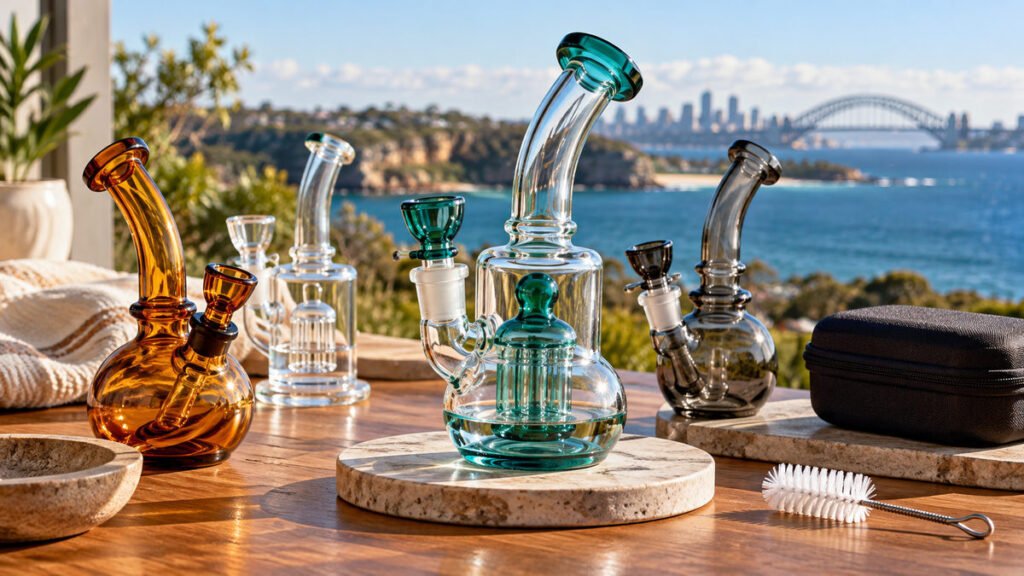
Bubbler-style designs combine some portability benefits of mini bongs with an integrated, compact form. They often feel easier to store than large bongs. However, their smaller chambers may provide less room for customisation.
Percolators and downstems
Percolators increase diffusion by breaking smoke into many smaller bubbles. Tree, honeycomb, showerhead, and inline percolators each use different internal pathways. Therefore, their performance depends on the design, water level, airflow, and overall construction.
However, complex percolators can increase draw resistance and make cleaning more demanding. A simple diffused downstem may offer a better balance for everyday use. In many cases, the downstem matters more than overall bong height.
Ice catchers and ash catchers
Ice catchers can support additional cooling when loaded safely. Avoid overfilling the chamber, blocking the mouthpiece, or placing ice where it restricts airflow. Always follow the product instructions for the specific design.
Ash catchers can add filtration and help keep the main chamber cleaner. Nevertheless, they increase total height, weight, joint pressure, and maintenance. Check compatibility carefully before adding one to a compact or lightweight piece.
Material choices
Borosilicate glass handles heat well and usually provides a clean, neutral flavour. However, it can still break from impact, sudden temperature changes, or poor storage. Silicone offers greater impact resistance and suits portability-focused use, but it may retain odours or residue.
Ultimately, accessories can improve or reduce practicality. Compare the complete setup rather than judging a bong by height alone.
Cleaning, Maintenance, Safety, and Legal Considerations
Mini bongs are usually faster to rinse and clean because they contain less water and fewer internal pathways. Large bongs and multi-percolator designs may require more time, cleaning tools, and careful flushing.
Additionally, change the water regularly and remove residue before it hardens. Clean removable bowls and downstems separately, then dry every component fully before storage.
- Choose wide openings for easier access.
- Prefer removable downstems where practical.
- Look for simple chambers with fewer hidden pathways.
- Check joints regularly for looseness or residue.
- Keep glass upright on a stable, level surface.
Avoid overfilling bowls and handle hot or recently used components carefully. Keep glass away from table edges, children, and pets. Padded storage, upright positioning, and separate protection for bowls and downstems can reduce accidental damage.
Borosilicate glass still needs protection from impacts and rapid temperature changes. Meanwhile, inspect silicone for odours, residue, surface wear, and changes in flexibility.
Adults should follow all applicable Australian laws and use products only where legally permitted. Never drive or operate machinery while impaired. For general Australian information, read Healthdirect’s cannabis information, then check current rules in your state or territory.
Product instructions and local regulations should always take priority over general buying advice. Laws can differ between Australian jurisdictions and may change over time.
How to Choose the Best Bong Size for Your Needs
For beginners, a simple, stable mini or mid-sized bong often provides a manageable starting point. Choose straightforward airflow, a practical downstem, comfortable proportions, and easy access for cleaning. For travel, also consider portable water pipes.
For occasional use, prioritise portability, discreet storage, lower water capacity, and quick maintenance. A compact design can prevent a large piece from becoming inconvenient between sessions.
For frequent home use, consider a larger beaker bong with a stable base and comfortable joint size. A replaceable downstem and optional filtration accessories can also make future maintenance easier.
If smoother-feeling draws matter most, focus on suitable water levels, diffusion, draw resistance, and comfort. A larger bong is not automatically smoother. Similarly, hit intensity depends on the amount used, airflow, chamber fill, percolation, and inhalation technique.
For flavour, simpler filtration and fewer percolators may preserve more intensity. For budget-conscious shopping, compare the complete cost rather than the bong alone. Include replacement bowls, downstems, ash catchers, cleaning supplies, and protective storage.
- Choose mini: When portability, space efficiency, lower cost, and quick cleaning matter most.
- Choose large: When stability, expanded filtration, customisation, and dedicated home use matter most.
- Choose mid-sized: When you want a practical balance between portability and everyday comfort.
The best bong size matches your legal use, storage space, cleaning habits, experience, and preferred session style. Consider how the piece will fit your routine, not only how it looks in a product photo.
Conclusion
Mini bongs are generally more portable, affordable, discreet, and convenient to clean. Large bongs often provide greater stability, more room for filtration, and broader customisation for home use.
However, neither size is universally smoother, stronger, or better. Glass quality, airflow, water level, percolation, downstem design, and maintenance also shape performance.
Compare models using the decision framework above, then choose a well-made bong with a stable design and manageable cleaning requirements. Most importantly, select features that suit your legal use, available space, and preferred session style.
For a range of practical options, explore Sweet Puff Australia and compare designs based on size, material, filtration, storage, and care requirements. A thoughtful match can make your setup easier to maintain and better suited to everyday use.