Does your bong have cloudy glass, restricted airflow, stale water, or a lingering odour? Residue, stagnant water, clogged parts, and worn seals can affect flavour, performance, hygiene, and safety. This bong care and maintenance guide explains how to clean glass, silicone, acrylic, and ceramic bongs. You will also learn how to remove resin, prevent odours, protect delicate parts, and extend your bong’s usable life.
1. Why Regular Bong Cleaning and Maintenance Matters
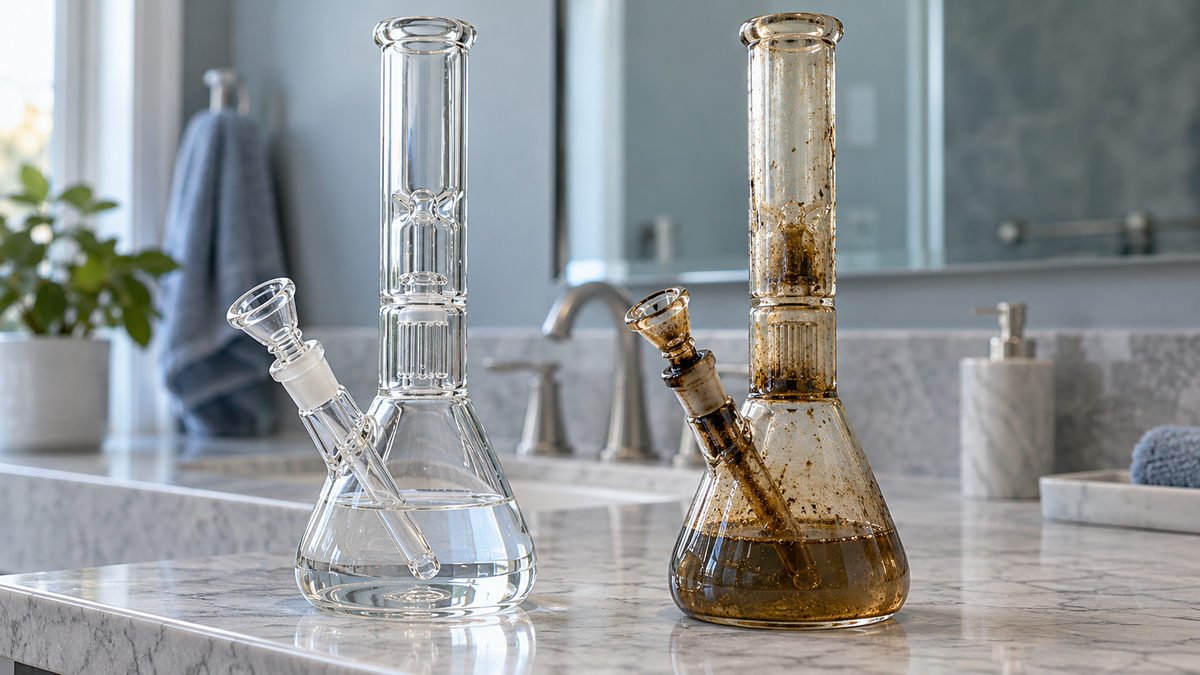
Regular cleaning keeps your bong working as intended. Fresh water and clear pathways support smoother airflow, more consistent bubbling, and cleaner-tasting draws. Additionally, routine care helps protect glass, silicone, acrylic, and ceramic materials from avoidable wear.
Bong water should be replaced after every session. Stagnant water can collect ash, resin, plant material, bacteria, and unpleasant odours. Therefore, never reuse water that looks cloudy, feels slimy, or smells foul.
Residue can build up in bowls, downstems, percolators, ice catchers, ash catchers, and mouthpieces. Hard-water deposits may also leave white marks or restrict small openings. Meanwhile, trapped moisture can encourage mould growth when components remain dirty and wet.
Cleaning also helps maintain filtration performance. A blocked percolator may bubble unevenly or stop bubbling altogether. Similarly, resin inside a downstem can reduce airflow and make each session feel harsher or less consistent.
Look for these signs that your bong needs a deeper clean:
- Reduced airflow or difficult draws
- An unpleasant taste or persistent odour
- Visible resin, ash, mould, or mineral deposits
- Changes in bubbling or water movement
- Clogged percolators or downstems
- Recurring buildup soon after cleaning
- Loose seals, leaks, rattling, or unstable parts
For harm reduction, avoid sharing a visibly dirty mouthpiece. Clean shared accessories promptly and replace damaged or heavily contaminated parts. Additionally, ventilate the cleaning area and follow local Australian laws regarding cannabis and smoking accessories.
2. Bong Care and Maintenance Guide: Safety and Cleaning Supplies
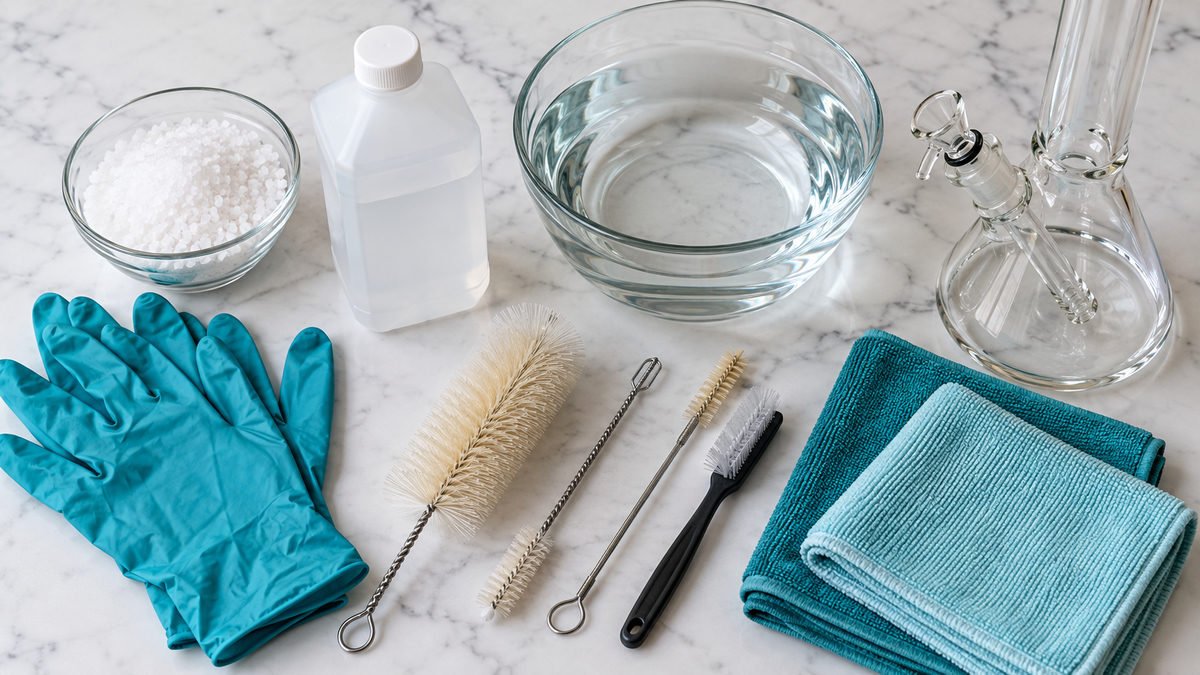
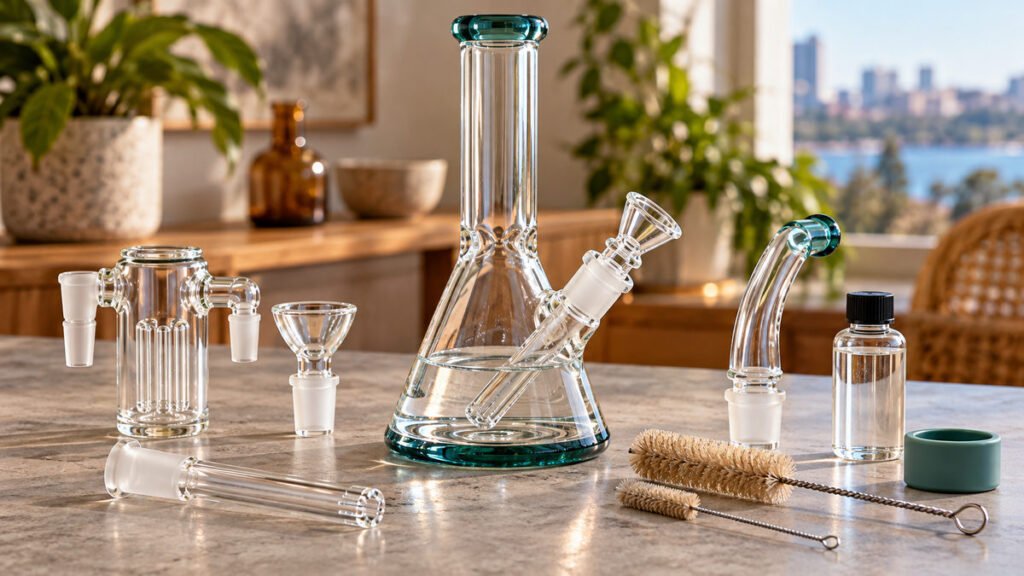
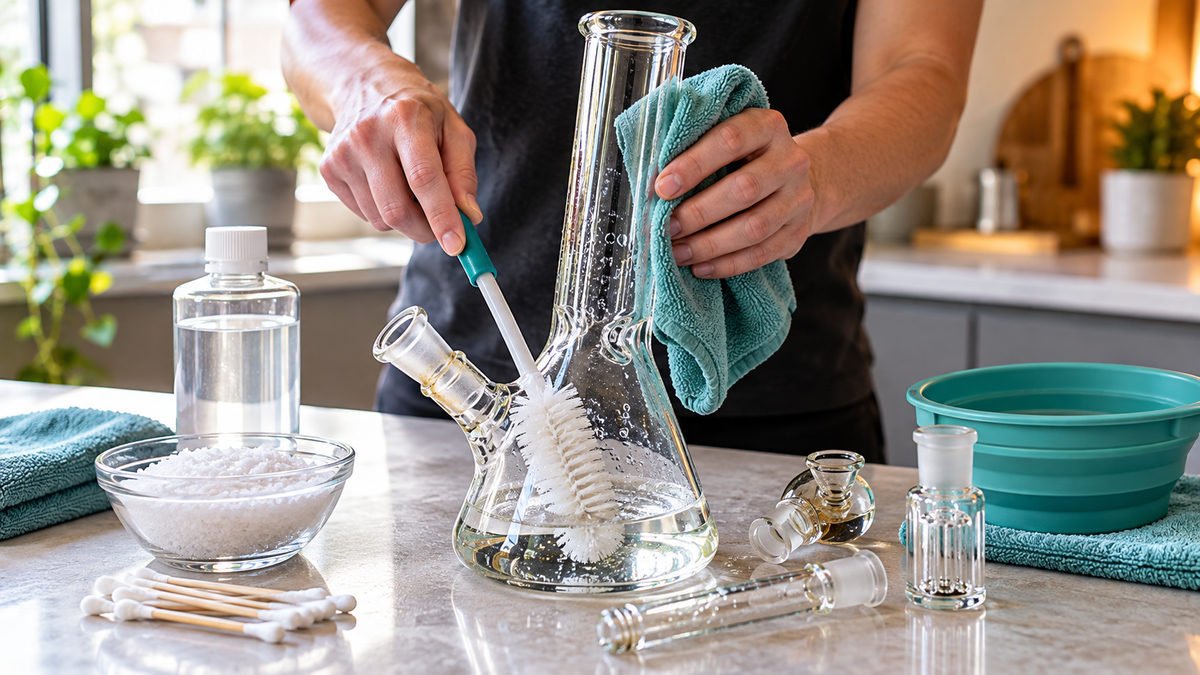
Gather your supplies before starting. A secure work surface reduces the chance of knocking over a glass bong or losing small components. Towels also help protect the piece from hard benches and accidental movement. See our list of the best bong cleaning accessories.
- High-concentration isopropyl alcohol suitable for cleaning
- Coarse salt for gentle agitation inside compatible glass
- Warm water, never boiling water
- Bottle brushes and narrow pipe cleaners
- Cotton swabs and flexible cleaning tools
- Microfibre cloths and clean towels
- Protective gloves
- A tray or container for removable parts
High-concentration isopropyl alcohol commonly dissolves resin from compatible glass. However, choose a product without fragrances, dyes, oils, or unknown additives. Always check the label and rinse every component thoroughly after cleaning.
Commercial bong cleaning solutions can offer useful alternatives. Specifically, choose a product that lists your bong’s material as compatible. Follow its dilution, soaking, ventilation, and rinsing instructions carefully.
Household alternatives require more caution. Mild dish soap and warm water suit many acrylic or silicone parts, but they may not dissolve heavy resin. Therefore, avoid assuming one cleaner works safely across every material.
Safety matters because alcohol and many cleaning products are flammable. Work in a well-ventilated area, wear gloves, and keep cleaners away from flames, heat, children, and pets. The Better Health Channel’s chemical safety guidance also recommends ventilation, protective equipment, and careful label instructions.
Never clean near food preparation areas. Also, do not mix cleaning products, especially bleach, ammonia, acids, or commercial solvents. Avoid steel wool, metal scrapers, sharp objects, abrasive powders, and extreme temperature changes.
3. How to Clean a Glass Bong: Numbered Step-by-Step Method
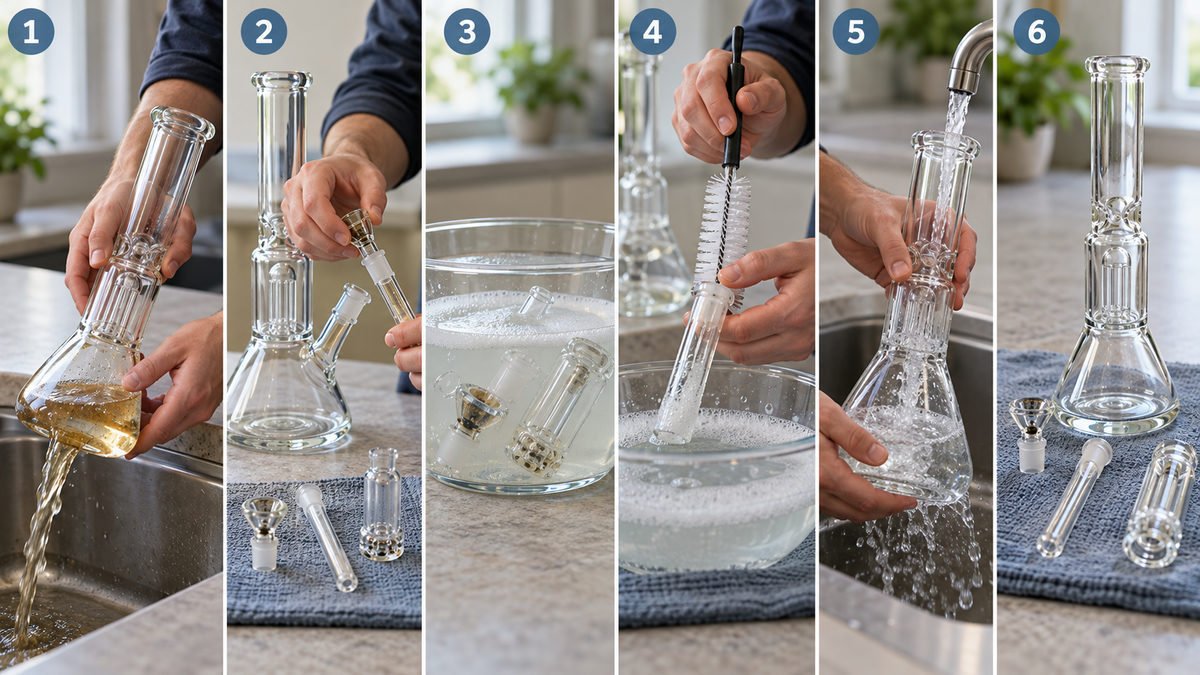
Glass usually tolerates thorough cleaning, but it can still crack from impact, pressure, or thermal shock. Work slowly and support the bong with both hands. Never force a stuck joint or insert a sharp tool into a small opening.
- Empty the old bong water. Pour the water into a suitable drain and rinse the chamber briefly. Do not reuse stagnant water, even if it looks reasonably clear.
- Disassemble removable parts. Remove the bowl, downstem, ash catcher, mouthpiece attachments, clips, screens, and other detachable components. Place small pieces on a folded towel so they cannot roll away.
- Rinse with warm water. Run warm water through the chamber and each removable part. This loosens loose ash and softens surface residue. Avoid boiling water, iced water, and sudden temperature changes.
- Add a compatible cleaning solution. For suitable glass, add isopropyl alcohol and a small amount of coarse salt. The salt provides gentle scrubbing action as it moves across the residue.
- Cover the openings safely. Use clean plugs, silicone caps, or your gloved hands. Rotate the bong carefully so the solution reaches the chamber walls. Avoid vigorous shaking if the bong has thin glass, delicate percolators, or fragile attachments.
- Soak removable parts separately. Place the bowl, downstem, and other compatible glass pieces in a container. Let them sit for around 15 to 30 minutes for moderate residue. Heavier buildup may need another soaking cycle, based on the cleaner’s instructions.
- Scrub difficult areas gently. Use bottle brushes, pipe cleaners, cotton swabs, or flexible non-abrasive tools. Clean the bowl, stem opening, downstem, percolator, ice catcher, and mouthpiece separately.
- Flush clogged pathways. Direct warm water through both ends of the downstem. For percolators, use controlled rinsing rather than excessive pressure. Repeat gentle soaking when resin remains inside small chambers.
- Remove stubborn resin without force. Add fresh cleaning solution and allow more contact time. Several gentle cycles work better than scraping glass with metal or sharp objects.
- Rinse every component thoroughly. Use plenty of warm water until no alcohol, salt, cleaner, smell, or visible residue remains. Pay special attention to joints, screens, and small percolator holes.
- Inspect the parts. Check for chips, cracks, loose joints, blocked openings, and damaged screens. Do not reuse a part with sharp glass or a structural crack.
- Air-dry completely. Place each component on a clean towel in a well-ventilated area. Allow the chamber and small openings to dry fully before reassembly.
Cleaning solution usually needs several minutes to soften resin. However, the best soaking time depends on residue thickness, product instructions, and material compatibility. Do not leave unknown materials submerged for long periods.
If one cleaning cycle leaves a sticky film, repeat the soak with fresh solution. Therefore, avoid applying stronger chemicals or using more force. Patience protects delicate glass far better than aggressive scraping.
4. How to Clean Silicone, Acrylic, Ceramic, and Other Bong Materials
Different materials need different cleaning methods. Glass generally handles compatible alcohol-based cleaners well, but thin joints, decorative sections, and percolators still require gentle treatment. Avoid abrasive tools on every material. Materials age differently; compare glass vs silicone bongs.
Silicone bongs often tolerate warm water and mild soap. However, not every silicone product tolerates prolonged alcohol exposure. Follow the manufacturer’s guidance and inspect the silicone for trapped odour, staining, tackiness, or soft spots.
Acrylic bongs need extra care because alcohol and harsh solvents may cloud, weaken, or damage plastic. Therefore, start with warm water, mild dish soap, and a non-abrasive brush. Repeat the process rather than using aggressive chemicals.
Ceramic bongs can hold residue in textured or porous areas. Handle them carefully and inspect for hairline cracks. Additionally, avoid boiling water and rapid temperature changes, which can create thermal shock.
Coated, painted, printed, or mixed-material pieces may react differently from plain glass. Keep strong cleaners away from printed surfaces unless the manufacturer approves them. When the material remains unknown, choose warm water, mild soap, gentle tools, and short cleaning sessions.
If silicone or acrylic retains an odour, rinse it repeatedly with clean water. Then allow complete drying in moving air. If the smell, staining, or residue remains after several thorough cleanings, replace the affected part.
5. Deep Cleaning Bowls, Downstems, Percolators, and Accessories
Bowls and Downstems
To clean a bowl, remove loose ash first. Soak the compatible bowl in cleaning solution, then brush the bowl cavity and stem. Rinse until the water runs clear and no chemical smell remains. See our bong downstem guide for removing and refitting stems.
Downstems often collect resin at both openings. Run warm water through each end, then use a narrow brush or pipe cleaner. Check for chips, cracks, blockages, and loose fittings before reinstalling the downstem.
Percolators and Ice Catchers
Percolators need patience because their pathways are small. Use repeated gentle soaking, controlled flushing, and flexible brushes. Commercial cleaners designed for intricate glass may help when ordinary rinsing leaves stubborn deposits.
Ice catchers can trap water, resin, and mineral deposits around narrow openings. Clean them separately and rinse from several angles. Never force a brush through a passage that feels blocked.
Accessories and Odour Removal
Ash catchers, screens, clips, mouthpieces, and reclaim components can hold strong odours. Remove each accessory, clean it with a compatible method, and rinse it separately. Replace screens when they remain blocked or heavily coated.
Fresh water helps remove bong smell, but water alone rarely solves persistent odour. Therefore, clean the chamber and accessories thoroughly, rinse repeatedly, and dry everything completely. Replace any part that remains contaminated after proper cleaning.
Troubleshooting Common Problems
- Reduced airflow: Check the downstem, bowl opening, percolator, and mouthpiece for resin or ash.
- Unpleasant taste: Repeat the soak and rinse, then replace contaminated screens or silicone parts.
- Leaks: Inspect joints, grommets, seals, and cracks before using the bong again.
- Rattling: Look for loose clips, broken glass, detached screens, or trapped debris.
- Recurring buildup: Replace water more often and clean accessories before residue hardens.
- Residue after cleaning: Repeat gentle soaking instead of scraping or using harsh solvents.
Cleaning is no longer enough when a bowl, downstem, grommet, screen, or accessory remains cracked, sharp, loose, or contaminated. Replacing a small component usually costs less than risking broken glass or unreliable performance.
6. Cleaning Schedule, Prevention, Drying, Storage, and Repairs
A practical schedule keeps maintenance manageable. Replace the water after every use and rinse the bong after each session. Frequent users should perform routine cleaning weekly and deep-clean monthly, or sooner when buildup appears. Learn how to store glass bongs safely between sessions.
Prevention reduces the work required later. Use fresh water, avoid overfilling, remove ash promptly, and clean accessories before resin hardens. Additionally, use suitable screens where appropriate, but inspect them often for blockage or damage.
After cleaning, rinse every component with plenty of warm water. Check joints, openings, and percolator holes for trapped cleaner or salt. Then dry each part completely before reuse, because hidden moisture can retain odour and encourage contamination.
Store the bong upright on a stable, level surface. Keep it away from busy edges, direct heat, freezing conditions, and sudden temperature changes. Cover openings with clean covers to reduce dust, but allow the piece to dry first.
For transport, use padded protective packaging with separate spaces for the chamber, bowl, downstem, and accessories. Do not allow loose glass parts to knock together. Even a short trip can damage thin joints without proper padding.
Inspect seals, joints, grommets, screens, and clips regularly. Replace parts that feel loose, leak, smell strongly, or show visible wear. A properly fitted seal improves stability and reduces water leaks.
If a glass bong develops a crack, stop using it immediately. Do not rely on household glue for heated or water-bearing areas. Replace the damaged piece or ask a qualified professional whether assessment is practical.
Continued use becomes unsafe when the bong has sharp glass, major leaks, unstable components, deep cracks, severe contamination, or damage that cannot be cleaned reliably. When in doubt, retire the part rather than taking a risk.
Simple Maintenance Checklist
- Replace bong water after every session.
- Rinse the chamber and accessories after use.
- Remove ash before it hardens.
- Inspect airflow, joints, seals, and screens weekly.
- Routine-clean frequently used pieces each week.
- Deep-clean the bong monthly or whenever residue appears.
- Rinse away every trace of cleaner and salt.
- Dry all parts completely before reassembly.
- Store the bong upright and protected from impacts.
- Replace cracked, sharp, loose, or persistently contaminated parts.
Conclusion
Frequent water replacement, gentle material-appropriate cleaning, complete rinsing, and thorough drying keep a bong cleaner and more reliable. These habits support hygiene, airflow, flavour, filtration performance, and longer service life.
Avoid harsh chemicals, abrasive tools, boiling water, sudden temperature changes, and damaged parts. Use the after-every-session checklist today, then schedule a weekly rinse and monthly deep clean based on how often you use your bong.
For compatible water pipes, accessories, and care-focused product options, explore Sweet Puff Australia. Choose pieces that suit your routine, then protect them with regular cleaning and careful storage.