
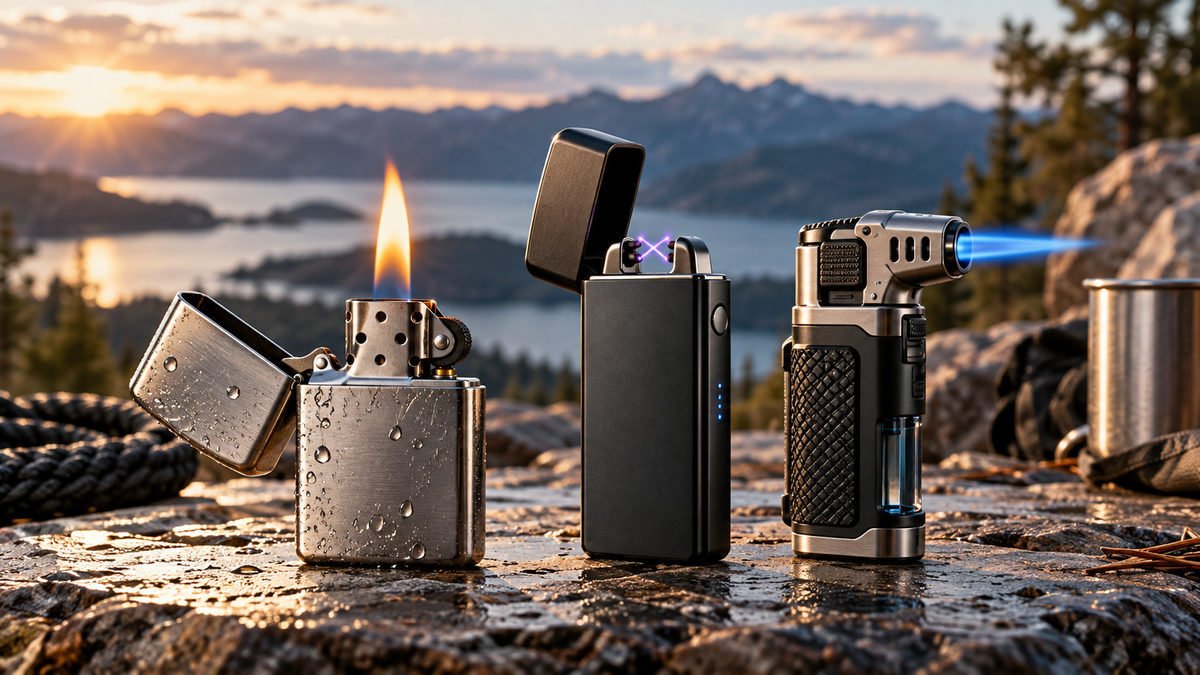
A lighter that works perfectly at home may fail in strong wind, wet weather, or an emergency. With disposable, butane, torch, plasma, electric, and refillable models available, choosing the right one can feel surprisingly difficult. The best lighter features depend on your daily routine, environment, and safety priorities. This guide compares flame performance, durability, rechargeability, fuel efficiency, and practical controls. You will also learn which lighter suits everyday use, travel, camping, cooking, gifting, and emergency preparation.
1. Best Lighter Features to Prioritize Before Buying
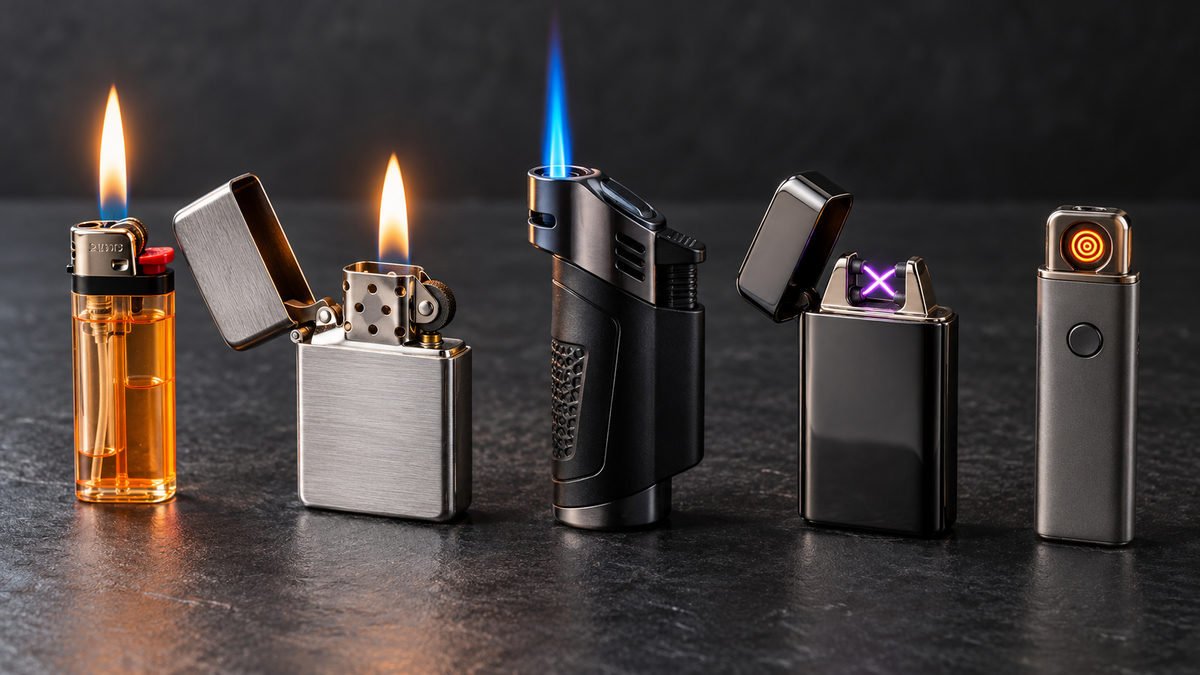
Start with reliability. A quality lighter should ignite consistently and produce a stable flame when you need it. Moreover, the controls should feel predictable, even when you use the lighter quickly or with one hand. A cheap lighter can still work well, but unreliable ignition soon becomes frustrating.
Reliability and performance
Compare flame strength, wind resistance, weather protection, burn time, and adjustment range. For example, a soft flame suits candles and smoking, while a jet flame handles breezy outdoor conditions better. Therefore, avoid choosing a lighter based only on appearance or price.
- Ignition: Look for dependable flint, piezoelectric, or electronic ignition.
- Flame control: Choose adjustable settings for candles, cooking, or smoking.
- Weather performance: Consider wind, rain, humidity, cold, and dust.
- Burn time: Check fuel capacity or battery performance between refills.
Build quality and ergonomics
Durable metal construction can resist impacts, scratches, and daily pocket wear. However, metal alone does not guarantee quality. Check the hinge, lid, base, burner guard, refill valve, and overall fit before buying.
Comfort matters just as much. A pocket lighter should offer a secure grip, manageable weight, and simple one-handed operation. Additionally, look for a stable base when lighting candles, grills, or fireplaces on a bench.
Convenience and safety
Useful convenience features include fuel windows, charging indicators, USB ports, refill valves, LED status lights, and protective covers. Safety features matter even more. Look for child-resistant controls, safety locks, insulated surfaces, guarded flames, and automatic shutoff systems.
The most expensive lighter is not automatically the best choice. A compact refillable model may outperform a premium torch for everyday use. Use this practical checklist before buying:
- Where will you use the lighter most often?
- Do you need a flame, arc, heating element, or torch?
- Will wind, rain, dust, or cold affect performance?
- Do you prefer refilling, disposable fuel, or USB charging?
- Can you operate and store it safely?
- What will ownership cost after the initial purchase?
2. Compare the Main Lighter Types and Ignition Systems
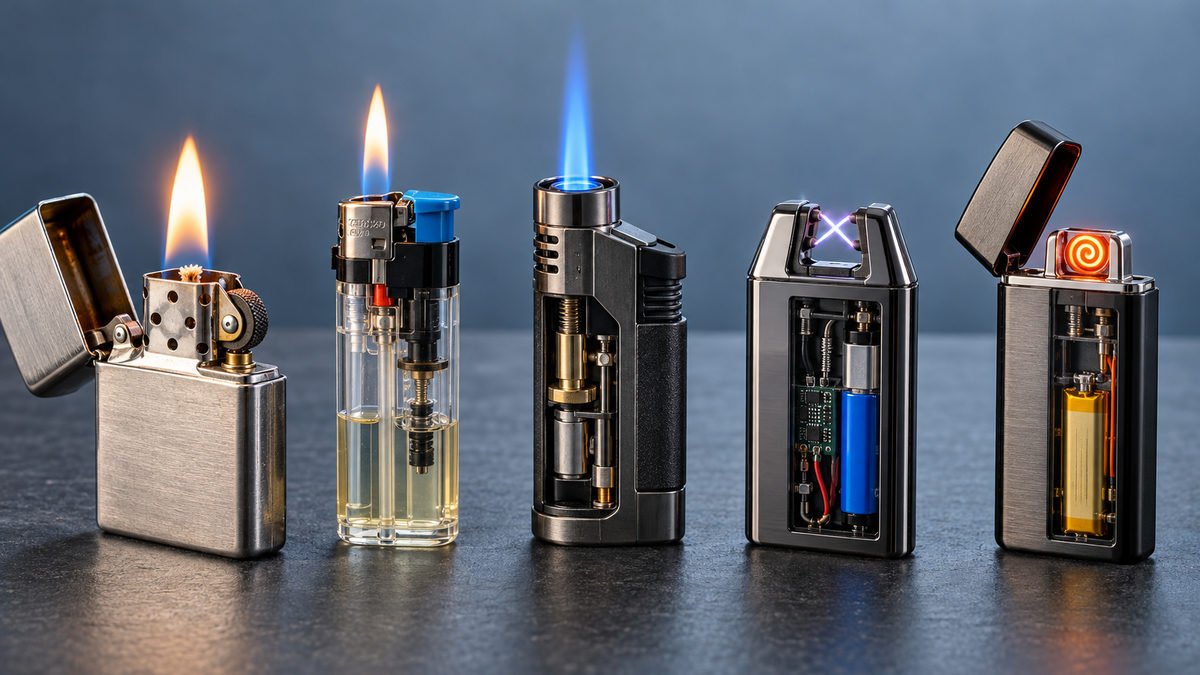
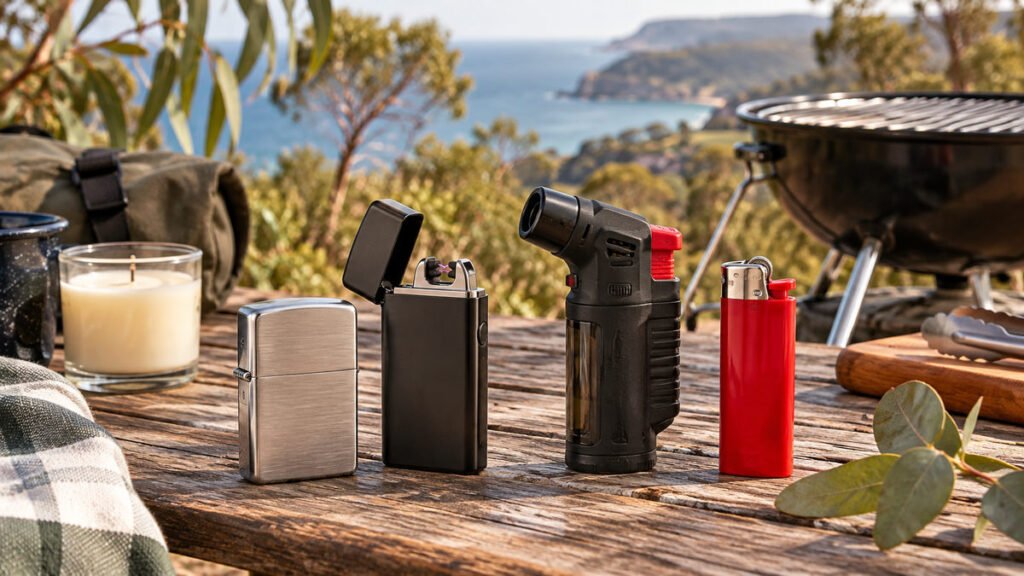
Different lighters solve different problems. Disposable models prioritise convenience, while refillable butane lighters offer better long-term value. Meanwhile, plasma and electric lighters reduce dependence on liquid fuel. Compare every type in our guide to lighters in Australia.
Disposable and refillable butane lighters
Disposable lighters usually cost little and operate with minimal effort. They suit occasional indoor use, travel preparation, and simple household tasks. However, limited fuel capacity, plastic waste, and reduced repairability can make them less attractive for frequent users.
Refillable butane lighters reduce replacement waste and operating costs over time. Many models include adjustable flames, fuel windows, and stronger bodies. Nevertheless, they require compatible butane, careful filling, leak checks, and occasional burner cleaning.
Torch, plasma, and electric lighters
Torch lighters produce a concentrated jet flame with strong heat output. They work well for cigars, cooking tasks, grilling, and breezy outdoor conditions. However, torch flames usually consume fuel faster than softer flames.
Plasma lighters create an electric arc rather than a traditional flame. They need USB charging and contain no liquid fuel. Additionally, the arc resists wind well, making these models useful for candles and many indoor lighting tasks.
Rechargeable electric lighters use a battery-powered heating element. They can light suitable materials without gas or a visible flame. However, they depend on charged batteries and may take longer to light thicker wicks.
Ignition systems
- Flint wheels: Simple, familiar, and easy to replace, but they need fuel and produce wear.
- Piezoelectric ignition: Creates a spark with a button press and usually feels convenient.
- Arc ignition: Uses electricity, resists wind, and requires regular charging.
- Push-button ignition: Supports quick operation, especially on torch lighters.
- Electronic cutoffs: Limit burn time and reduce accidental continuous ignition.
Butane lighters offer strong heat and quick refills. Plasma lighters avoid liquid fuel but require charging. Electric heating lighters provide a different approach, although they may feel slower or less versatile.
For everyday use, a compact refillable butane model offers a balanced mix of convenience and value. Soft flames suit smoking and candles, while torches suit cooking and outdoor tasks. Plasma models work well indoors, and a dependable butane or torch lighter suits emergency kits when stored safely.
3. Windproof, Waterproof, and Harsh-Weather Performance
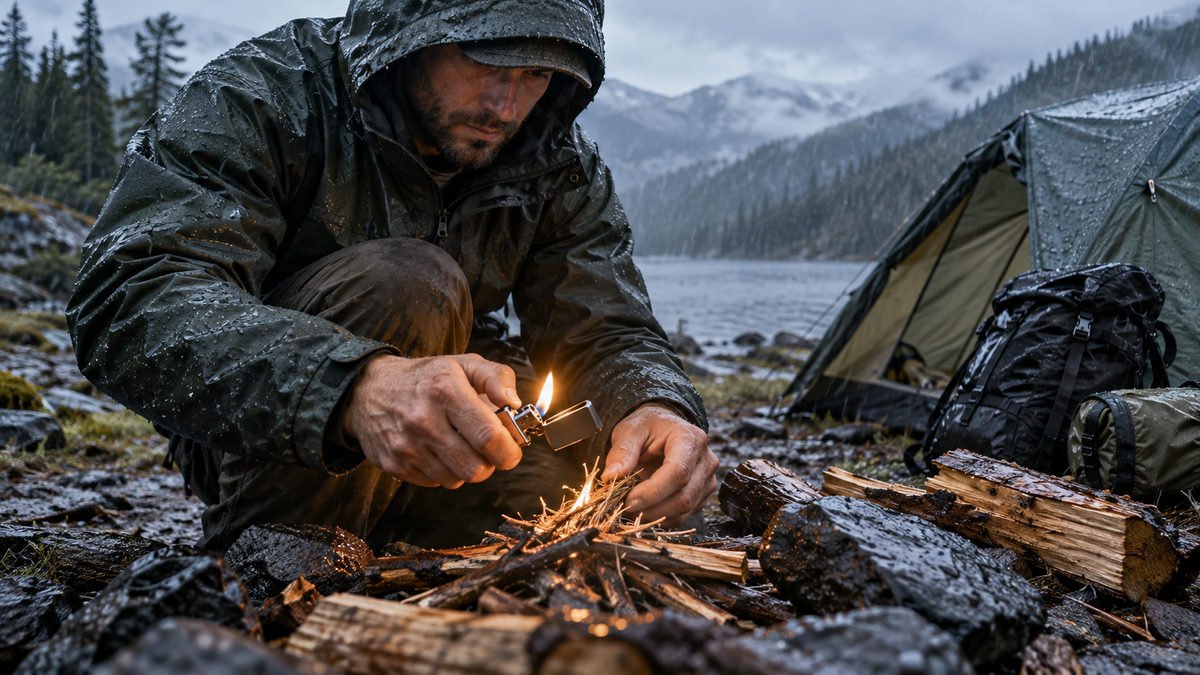
Wind can turn a standard lighter into a source of frustration. Soft flames often blow out quickly, especially near beaches, campsites, balconies, and open grills. Therefore, jet flames and protected ignition systems usually perform better in breezy conditions. Learn more in windproof lighters explained.
Wind and water resistance
A windproof lighter often uses a concentrated torch flame or a shielded burner. These designs can resist stronger airflow than standard soft flames. However, windproof does not mean indestructible, and extreme gusts can still prevent ignition.
Water protection requires closer attention. Splashproof designs resist light rain or accidental spills, while water-resistant models tolerate limited moisture. Fully sealed waterproof designs offer stronger protection, but buyers should confirm the stated rating and storage instructions.
Do not assume every waterproof lighter can remain underwater indefinitely. Seals can wear, charging ports can leak, and repeated exposure may affect ignition. Most importantly, dry the lighter completely before charging or refilling it.
Outdoor and camping performance
Cold temperatures can reduce butane pressure and make ignition slower. Meanwhile, moisture can affect sparks, batteries, and burner openings. Dust may also block the fuel path or weaken the flame.
For camping and hiking, look for a windproof torch, waterproof case, strong grip, and lanyard attachment. A visible fuel window or battery indicator can prevent unpleasant surprises. Additionally, carry a backup ignition method for remote trips.
- Choose a protected burner for wind and light rain.
- Look for a textured grip when wearing gloves.
- Prefer a bright colour when you might drop it outdoors.
- Check whether the case protects buttons from accidental activation.
- Store the lighter away from water, fuel leaks, and direct heat.
Windproof lighters are better when breezes are common or reliable ignition matters. Standard lighters remain smaller, lighter, and more convenient for calm indoor conditions. The best camping lighter balances weather resistance, fuel access, durability, and backup planning.
For grilling and fireplaces, a long-reach lighter keeps your hands farther from heat. For emergency kits, choose durable construction and simple fuel management. In contrast, a compact standard lighter may suit short indoor tasks better.
4. Fuel Efficiency, Battery Life, and Long-Term Operating Cost
Purchase price tells only part of the story. A low-cost lighter may require frequent replacement, while a refillable or rechargeable model may cost less over repeated use. Therefore, compare fuel, charging, maintenance, and replacement needs together. For long-term value, see refillable lighters in Australia.
Fuel and burn time
Butane provides quick, adjustable flames and suits many household tasks. Lighter fluid supports traditional wick designs, but it requires careful storage and correct maintenance. Disposable fuel cells offer convenience, although the whole lighter usually gets replaced after the fuel runs out.
Burn time depends on fuel capacity, flame height, torch intensity, and ignition frequency. A small flame generally uses less fuel than a high torch flame. Moreover, repeated short ignitions can waste less fuel than holding a flame continuously.
- Soft flames: Usually offer economical performance for gentle lighting tasks.
- Adjustable butane flames: Balance control, heat, and fuel use.
- High-temperature torches: Light quickly but often consume more fuel.
- Plasma arcs: Use battery power rather than liquid fuel.
Rechargeability and refilling
Rechargeable lighters need a compatible cable, sufficient battery capacity, and safe charging habits. Check the charging indicator and approximate charge time before buying. Additionally, consider how many lighting sessions you need between charges.
Refillable systems can reduce replacement costs for frequent users. However, you must use compatible fuel, fill the lighter correctly, and check for leaks afterwards. Replace worn seals or damaged valves rather than continuing to use them.
The most fuel-efficient lighter usually combines a controllable flame with low settings and short ignition periods. Rechargeable lighters may offer excellent value when you use them often and have reliable charging access. They become less convenient during long outdoor trips without power.
A quality lighter may last for years when you maintain it and protect it from impact. That lifespan differs from one fuel refill, one battery charge, or one ignition cycle. Therefore, consider both product durability and the cost of keeping it operational.
5. Safety, Maintenance, and Travel Considerations
Safety begins with controlled ignition. Look for child-resistant controls, safety locks, guarded flames, heat-resistant surfaces, automatic shutoff, and stable construction. These features reduce risk, but they cannot replace careful handling. Read our guide to lighter safety and storage.
Safe everyday use
Keep lighters away from children, direct heat, loose pockets, flammable liquids, and enclosed hot vehicles. Never leave a lit lighter unattended. Furthermore, allow the body to cool before placing it in storage or a bag.
Store lighters in a cool, dry location with the flame switched off. Keep lids closed, safety locks engaged, and protective caps fitted. Avoid storing fuel or refill canisters beside ignition sources.
Refillable and electric maintenance
When refilling butane, follow the manufacturer’s instructions and work in a well-ventilated area. Bleed excess gas only as directed, then wait before testing ignition. Check O-rings, valves, and burner openings for damage or leaks.
Clean burners gently and keep debris away from ignition points. For electric models, protect USB ports from moisture and avoid damaged cables. Additionally, charge the lighter on a suitable surface and replace worn batteries responsibly.
Travel rules
Airline rules can vary by lighter type, fuel, destination, and whether you carry the item on your person or pack it. In Australia, CASA provides current guidance on dangerous goods and lighters. Read the Civil Aviation Safety Authority guidance before travelling.
Electric lighters are not automatically allowed on every flight. Battery rules, airline policies, and destination requirements can differ. Therefore, check the airline and aviation authority before packing any lighter, spare battery, fuel, or charging device.
The biggest mistakes include carrying a leaking lighter, charging near moisture, leaving a torch unlocked, and storing fuel in heat. Most importantly, never assume a waterproof, windproof, or child-resistant feature makes a lighter risk-free.
6. Choose the Right Lighter for Your Use, Budget, and Priorities
Your ideal lighter should match the task first. A pocket lighter for occasional indoor use needs different features from a torch for camping or cooking. Moreover, the right balance depends on your budget, maintenance preferences, and access to fuel or charging. For a full checklist, read how to choose a lighter.
Match features to the task
- Everyday pocket use: Choose compact size, simple ignition, comfortable grip, and low running costs.
- Smoking: Select a soft flame for control or a torch when wind exposure demands more heat.
- Candles and fireplaces: Choose long reach, adjustable flame, trigger locks, and heat protection.
- Grills and cooking: Look for a guarded torch, stable grip, and suitable flame adjustment.
- Camping and emergencies: Prioritise wind resistance, weather protection, durability, and backup ignition.
- Gifting: Consider attractive materials, personalisation, refillability, packaging, and warranty coverage.
Entry-level lighters usually offer basic ignition and simple materials. Mid-range models often add refillability, stronger construction, better controls, or improved weather protection. Premium lighters may offer refined finishes and long-term repairability, but higher prices do not guarantee better performance for every task.
Feature comparison checklist
- Purpose: What will you light most often?
- Environment: Will you face wind, rain, cold, dust, or humidity?
- Fuel type: Do you prefer butane, lighter fluid, disposable fuel, or batteries?
- Ignition: Would flint, piezoelectric, arc, or push-button ignition suit you?
- Durability: Can the body, hinge, burner, and base handle regular use?
- Safety: Does it include a lock, guard, insulation, and automatic cutoff?
- Portability: Is the size, weight, and pocket shape comfortable?
- Maintenance: Can you refill, clean, charge, and inspect it easily?
- Total cost: What will fuel, charging, repairs, and replacements cost?
A compact refillable lighter suits most everyday users who want control and value. Choose a windproof torch for outdoor activities, grilling, and breezy conditions. Meanwhile, a rechargeable plasma model offers convenient fuel-free operation for many indoor lighting tasks.
Conclusion
The best lighter combines dependable ignition, suitable flame performance, durable construction, practical safety features, and manageable long-term costs. Windproof torch lighters suit outdoor use, refillable butane models offer versatility, and rechargeable plasma lighters provide convenient fuel-free operation for many indoor tasks.
Use the feature checklist to compare your shortlisted models. Then choose the lighter that matches your environment, frequency of use, budget, and safety needs.
For practical product inspiration and related accessories, explore Sweet Puff Australia. Compare designs carefully, focus on genuine features, and choose equipment that fits your routine without unnecessary complexity.

Comment (1)
[…] Inspect a lighter before purchase, especially when buying a refillable or premium model. The casing should feel solid, while seams should look even and free from gaps. Additionally, the lid, hinge, grip, ignition button, and adjustment wheel should operate without excessive looseness. See our checklist of the best lighter features. […]