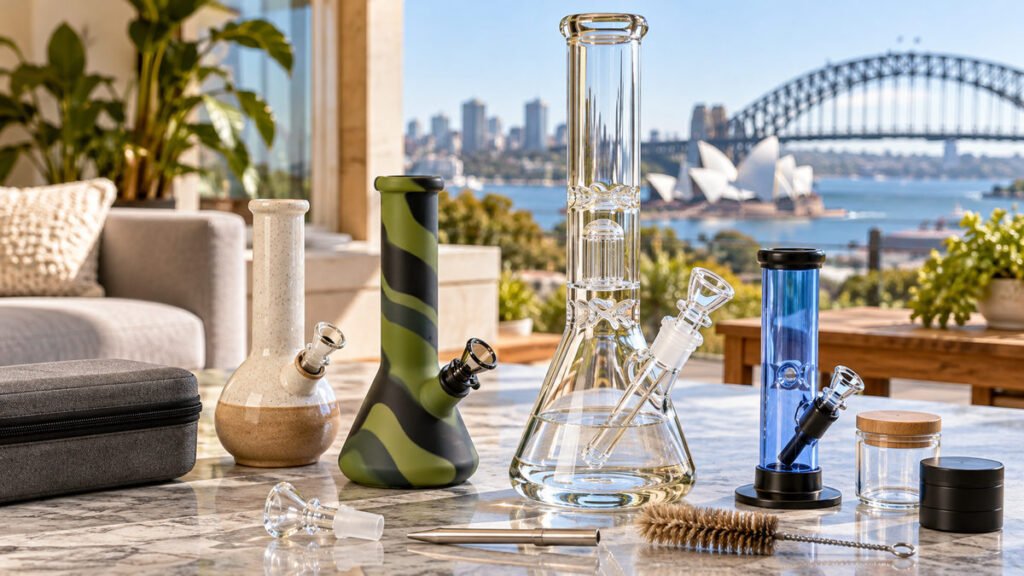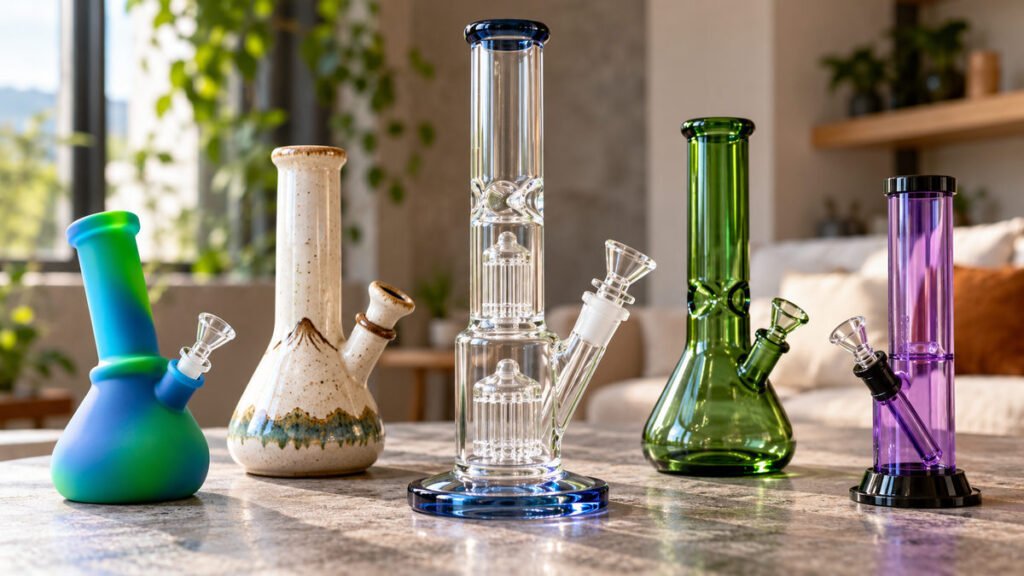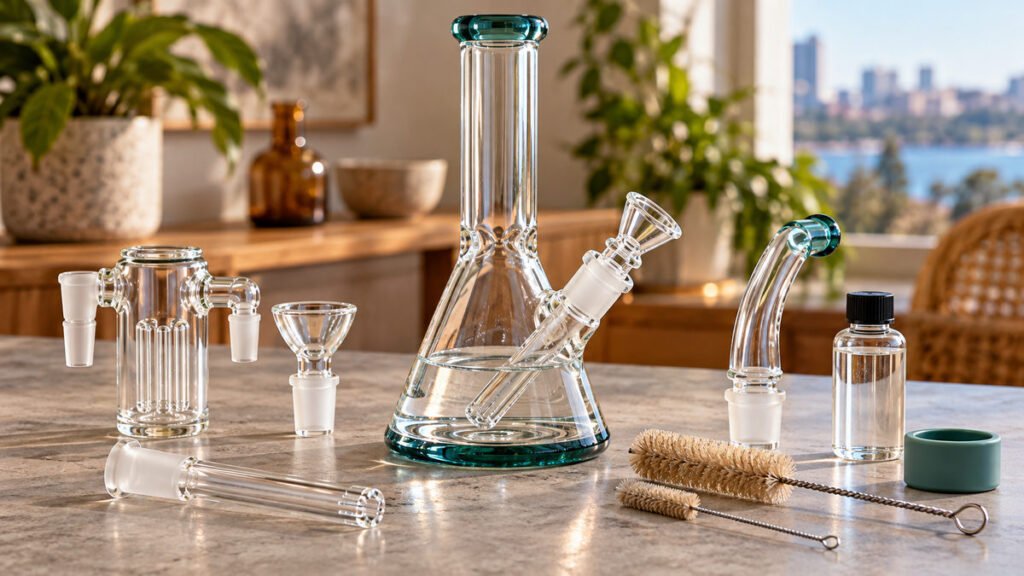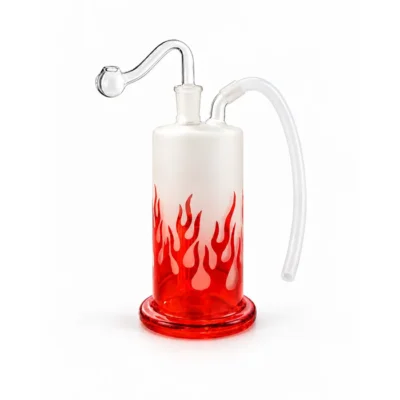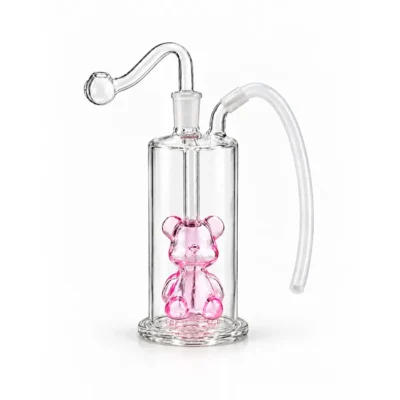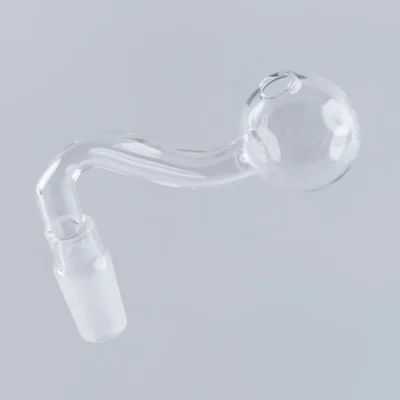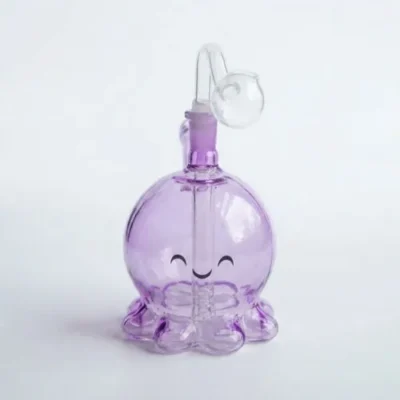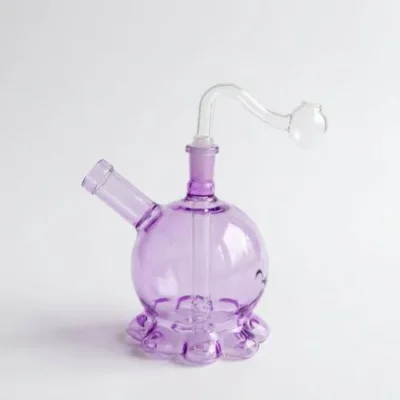
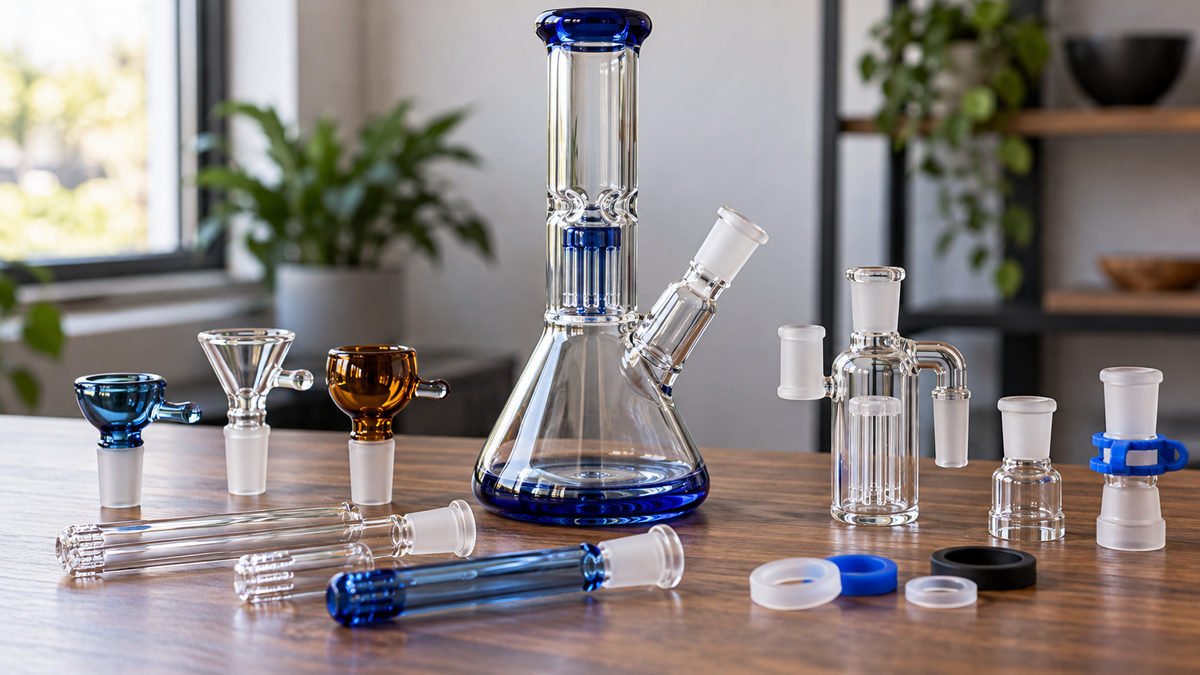
Is a cracked bowl, loose downstem, or worn rubber seal stopping you from enjoying your bong? Finding the right bong replacement parts can restore a secure fit quickly. However, bong components are not always universal. The wrong joint size, connection type, angle, or seal can cause leaks, poor airflow, or an incompatible replacement.
This guide explains the main parts available, how to measure your bong, and how to match components correctly. You will also learn what to check before ordering online. Therefore, you can compare replacement pieces with greater confidence and fewer costly mistakes.
1. What Bong Replacement Parts Are Available?
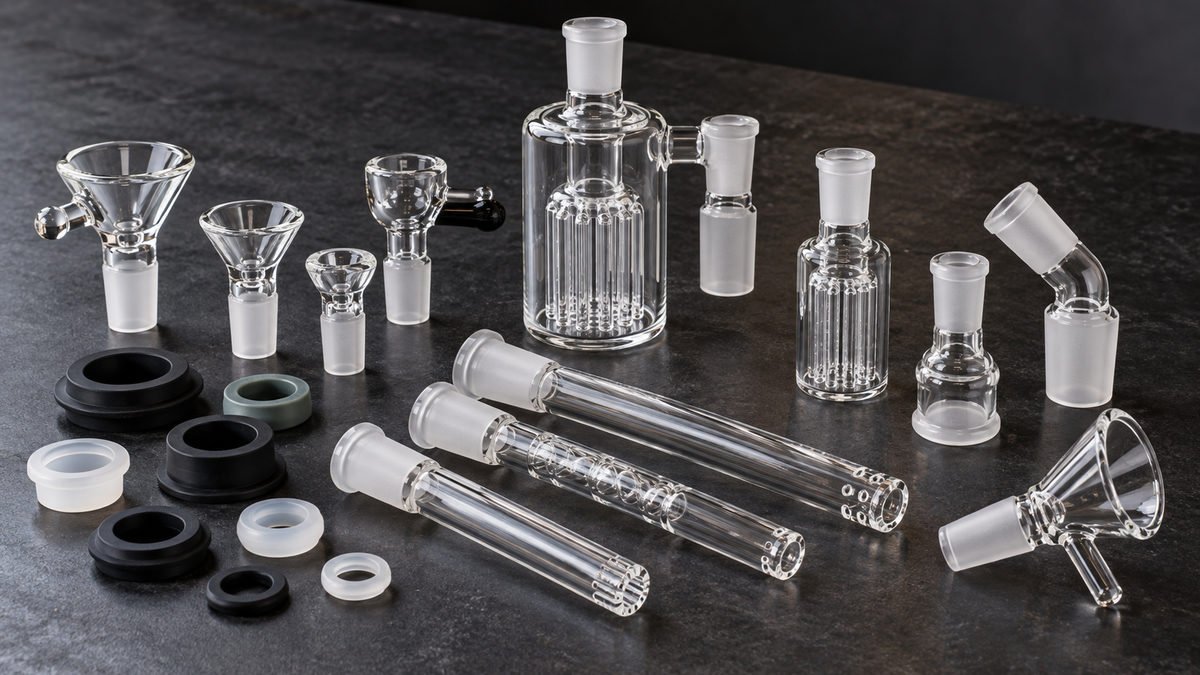
Bong replacement parts help repair damage, improve airflow, customise a setup, or refresh worn components. Some people replace a cracked bowl, while others upgrade an ash catcher or percolator. Additionally, small seals and grommets can solve leaks without replacing the entire bong. Bowls are the most common replacement; see bong bowls explained.
Common replacement bong bowls include bowl pieces, slides, and removable glass chambers. Retailers may describe these parts differently, depending on the region or product range. Specifically, a bowl may connect through a male joint, female joint, or grommet-style opening.
Bong downstem replacements connect the bowl area to the water chamber. You may also see them listed as bong stems, removable stems, or diffuser stems. Meanwhile, some bongs use fixed stems that require model-specific bong repair parts.
Seals often receive less attention, yet they affect the entire connection. Bong grommet replacements, rubber seals, silicone rings, and O-rings help create an airtight fit. Therefore, inspect these parts whenever you notice wobbling, air leaks, or unusual movement.
Ash catchers and adapters add flexibility between the bowl and bong. Drop-down adapters can change the connection position, while joint converters help match different component sizes. Additionally, percolator replacements may restore filtration sections in compatible designs.
- Replacement mouthpieces and splash guards.
- Glass bases and replacement glass chambers.
- Screens, clips, retainers, and joint rings.
- Percolator inserts and diffuser components.
- Model-specific stems, seals, and repair pieces.
Glass bong parts differ from general glass pipe accessories because their dimensions must match a water pipe. Likewise, model-specific parts may only fit one manufacturer’s design. Inspect every component for cracks, chips, clouding, looseness, or uneven edges before installation.
2. Bong Replacement Parts Compatibility Guide
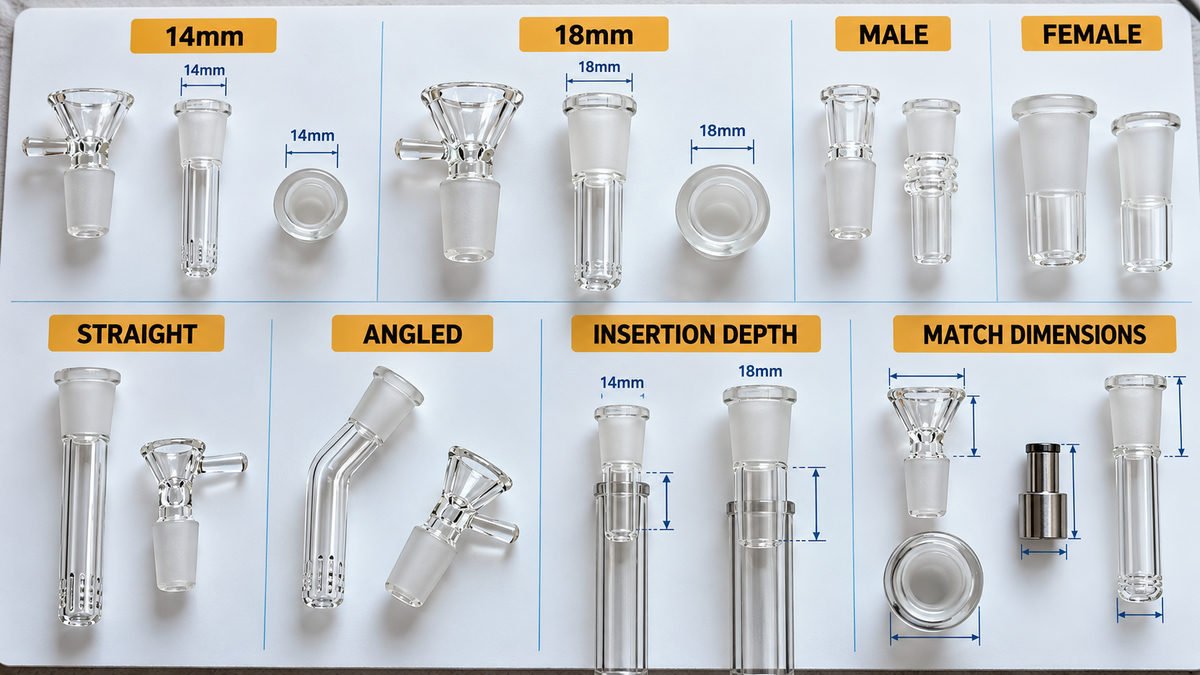
Compatibility depends on more than a part’s appearance. You must match the joint size, connection type, joint angle, insertion depth, and component dimensions. Furthermore, the replacement must leave enough clearance inside the bong. Start with our guide to bong joint sizes.
Understanding 14mm and 18mm Bowls
14mm bong bowls suit many compact and medium-sized water pipes. They usually create a smaller connection and may pair well with lighter setups. In contrast, 18mm bong bowls use a larger joint and often suit larger glass designs.
To identify the size, measure the joint opening rather than the bowl’s widest section. A digital caliper provides the clearest result, although a ruler can help with a basic check. However, nominal sizes can vary slightly between manufacturers.
| Connection type | What to check | Common issue |
|---|---|---|
| 14mm | Joint diameter and gender | Confusing it with an 18mm part |
| 18mm | Larger joint and available clearance | Assuming every large bowl fits |
| Male | Whether the joint inserts into the bong | Ordering a female bowl instead |
| Female | Whether the bong accepts an inserted joint | Ignoring the bong’s receiving joint |
| Angled | Direction and degree of the joint | Creating poor alignment or pressure |
| Straight | Vertical entry and insertion depth | Choosing a part that sits too deeply |
| Grommet-style | Opening diameter and seal thickness | Leaving gaps around the stem |
Male and female joints describe how two components connect. A male joint typically fits inside a female opening. Nevertheless, some retailers use these terms inconsistently, so compare the product diagram with your existing bong.
The word “slide” may describe the bowl-and-stem assembly, rather than only the bowl. Terminology also changes between Australian retailers and overseas sellers. Therefore, read the measurements carefully instead of relying on the product name alone.
Straight, angled, and recessed joints affect alignment and clearance. An angled ash catcher may suit a slanted joint, while a straight part may sit awkwardly. Moreover, recessed joints can require extra insertion length or a narrower connection.
Glass bong parts are not always universal, even when they share a nominal size. Product photos may hide the joint depth, diffuser position, or total height. Always confirm measurements before ordering, especially when buying from an unfamiliar retailer.
3. How to Measure and Choose the Right Bong Parts
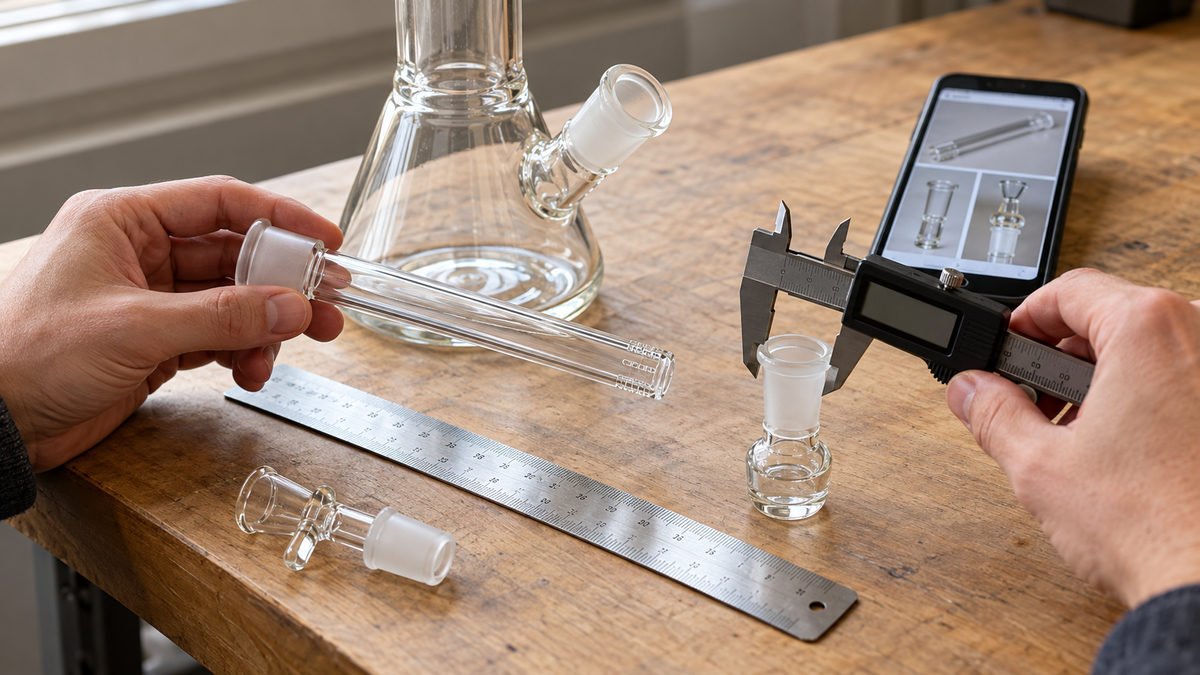
Accurate measurements make replacement shopping much easier. Before removing anything, photograph the original part from several angles. Additionally, keep the damaged component nearby until you confirm the replacement fits. See our bong downstem guide for measuring stems.
Measuring a Downstem
For a bong downstem replacement, measure the total length from the top joint to the diffuser end. Then check the joint diameter and the depth that enters the bong. Also note the diffuser position, because a different position can change airflow and clearance.
- Measure total length from end to end.
- Record the joint diameter and connection gender.
- Measure the insertion depth inside the bong.
- Check the diffuser width and position.
- Confirm the diffuser will not touch the base.
Next, measure a bong bowl piece at the joint. Record its size, gender, bowl depth, and connection style. If it includes a stem, measure the stem length separately from the bowl chamber.
Measuring Seals, Ash Catchers, and Adapters
For a bong grommet replacement, measure the opening, seal thickness, outer diameter, and inner diameter. A seal that looks close may still leak if its inner opening is too large. Likewise, an overly thick grommet may prevent the stem from seating correctly.
Choose an ash catcher by matching the joint size, joint gender, and joint angle. Then check its overall height and available clearance around the bong. Furthermore, confirm that the added weight will not place excessive pressure on the original joint.
Adapters and percolator replacements require inlet and outlet measurements. Some adapters connect two different sizes, while others change the direction or position. Therefore, write down every connection point before comparing products.
A mouthpiece or base replacement should match the original design and manufacturer specifications. Measure the opening, outer diameter, height, and attachment method. If the bong has a unique shape, contact the seller before ordering.
Pre-Order Measurement Checklist
- Use a ruler for basic length and diameter checks.
- Use a digital caliper for joint and seal measurements.
- Save the product diagram or technical drawing.
- Take clear photos of every connection point.
- Record joint size, gender, angle, and depth.
- Measure surrounding clearance, not only the visible section.
Contact the seller when measurements seem unclear or the bong uses an unusual design. Send photos beside a ruler, but protect personal information from labels or packaging. As a result, the seller can confirm compatibility before you place the order.
4. Installing and Replacing Bong Repair Parts Safely
Fragile glass needs patience during removal and installation. First, empty and clean the bong, then place it on a stable, padded surface. Meanwhile, keep children and pets away from the work area.
To remove a damaged bowl or slide, hold the bong close to the joint. Pull the part straight out with gentle, even pressure. Never twist aggressively, rock the glass sideways, or force a piece that feels stuck.
For a downstem, support the bong body with one hand. Then draw the stem out slowly, keeping it aligned with the opening. If residue causes resistance, soften it with an appropriate cleaning method before trying again.
Installing a New Downstem
- Compare the replacement with the original part.
- Check the joint size, orientation, and diffuser position.
- Insert the stem gently without forcing the glass.
- Confirm the diffuser clears the bong’s base.
- Check that the joint seats evenly and securely.
- Test the connection for leaks before regular use.
Fit a new grommet or rubber seal without stretching it excessively. The seal should sit evenly around the opening. Additionally, test the connection with clean water and gentle airflow before using the bong normally.
Attach an ash catcher or adapter while supporting the original joint. Keep the components aligned and avoid pushing downward. Excessive weight or pressure can damage a joint, especially when several accessories connect together.
When handling cracked glass, wear protective gloves and avoid bare-handed inspection. Wrap fragments in thick paper or a rigid container before disposal. Furthermore, keep damaged parts away from people, pets, rubbish bags, and soft surfaces.
Choosing a Suitable Material
Borosilicate glass offers a clear appearance, stable shape, and good resistance to thermal shock. However, it still needs careful handling and can break after impact. Corning explains that borosilicate glass is known for heat and chemical resistance.
Silicone provides flexibility and impact resistance, making it useful for selected seals or protective components. Ceramic can offer solid heat resistance but may chip or crack. Metal provides strength, although some users prefer glass for its neutral taste and easy visual inspection.
Look for smooth joints, consistent thickness, clean welds, stable bases, and precise dimensions. Reliable manufacturing standards also matter when a part must form an airtight connection. Finally, follow applicable age restrictions, local laws, and responsible-use requirements.
5. Cleaning, Maintenance, and Storage for Replacement Bong Parts
Regular cleaning protects airflow, flavour, seals, and fit. Remove bowls, downstems, slides, ash catchers, and percolators carefully before cleaning. Additionally, protect delicate openings from brushes or tools that can chip thin glass. Keep parts clean with the right bong maintenance tools.
Glass components usually suit warm water and a suitable glass-cleaning method. Use gentle movement around diffuser holes and percolator chambers. Never force a blocked opening with sharp metal, because small cracks can spread quickly.
Silicone parts need a method compatible with their material. Ceramic components require careful handling around glazed edges and hairline cracks. Metal parts may tolerate different cleaning products, but check the manufacturer’s guidance first.
Resin can restrict airflow, while mineral buildup can narrow openings and affect the fit. Trapped moisture may also encourage unpleasant odours and weaken some seals. Therefore, rinse components thoroughly and allow them to dry completely.
- Inspect joints and grommets during every deep clean.
- Check mouthpieces and bases for chips or looseness.
- Store small parts in labelled, padded containers.
- Keep glass pieces separate to prevent contact damage.
- Use protective padding during travel or shipping.
Cleaning remains suitable when a part has residue or minor buildup. Replace any component that is cracked, warped, permanently blocked, loose, or unable to seal. Meanwhile, store replacement bong accessories in a dry place away from temperature extremes.
6. Buying Compatible Bong Replacement Parts Online
Online shopping offers a broad choice, but product titles rarely provide every measurement. Start with an exact checklist before comparing prices. Specifically, confirm the joint size, gender, angle, dimensions, material, and intended bong model. Browse more bong accessories in Australia.
- Exact 14mm or 18mm joint size.
- Male, female, or grommet-style connection.
- Straight, angled, or recessed joint design.
- Total length, insertion depth, and clearance.
- Glass, silicone, ceramic, or metal construction.
- Compatibility with your bong model or design.
Assess product quality through close-up photos and complete specifications. Customer reviews may reveal fit problems, but treat unverified claims carefully. Additionally, look for manufacturer information, clear diagrams, and a practical fit guarantee.
Pricing should reflect material, workmanship, and packaging. Replacement bundles may offer useful value when several seals or screens need changing. Premium borosilicate glass can cost more, while shipping protection and breakage policies deserve equal attention.
Before ordering, read the retailer’s compatibility information and return conditions. Check seller contact details, delivery timelines, packaging standards, and replacement procedures. The ACCC guide to buying online also recommends checking seller details, reviews, and clear refund processes.
Common Compatibility Mistakes
- Confusing 14mm parts with 18mm parts.
- Overlooking male and female joint differences.
- Ignoring the joint angle or recessed design.
- Measuring only the visible section.
- Forgetting diffuser clearance inside the base.
- Trusting photos without checking dimensions.
Frequently Asked Questions
How do I choose replacement bong bowls? Match the joint size, gender, angle, depth, and bowl dimensions. Confirm whether the retailer uses “bowl” and “slide” differently.
How do I order a bong downstem replacement? Measure total length, joint diameter, insertion depth, diffuser position, and base clearance. Then compare those figures with the seller’s diagram.
Are 14mm and 18mm parts interchangeable? Usually, no. They use different joint sizes, although a suitable adapter may connect selected components.
How do I replace a bong grommet? Measure the opening, seal thickness, inner diameter, and outer diameter. The new grommet must sit evenly without stretching or leaving gaps.
Can I add any ash catcher? No. Match the joint size, gender, angle, height, and clearance. Also consider the extra weight placed on the original joint.
What should I do with cracked glass? Stop using it and handle it with protective gloves. Wrap the fragments safely, then replace the damaged component with a verified match.
Browse compatible bong replacement parts, compare product measurements and materials, and confirm the fit with the seller before ordering. A few minutes of checking can prevent leaks, breakage, and unnecessary returns.
Conclusion
The correct bong replacement part depends on accurate measurements, joint size, connection type, angle, material, and original design. Checking these details helps prevent leaks, poor airflow, breakage, and frustrating returns.
Before purchasing, compare the specifications with your existing component and inspect the fit carefully. Then browse compatible bong replacement parts, review the measurements, and contact the seller when anything remains uncertain.
For Australian shoppers, Sweet Puff Australia provides a convenient place to explore bong accessories and replacement options. Compare each component carefully, and choose parts that suit your existing setup and maintenance needs.